Best for
Aquariums where its role fits: schooling midwater.
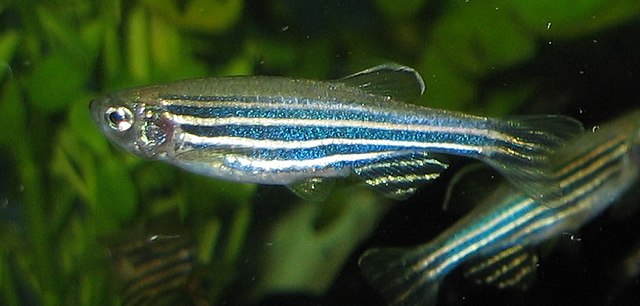
Danio rerio
The zebra danio is hardy, fast and very active. Its small size does not mean it belongs in tiny tanks: it needs swimming length and a group to behave naturally.
It is a good community species when kept with similarly active fish, not with slow species stressed by constant movement.
Expert calculator
Analyze volume, parameters, behavior and relationships with other species.
A practical summary to quickly decide whether it fits your aquarium.
Best for
Aquariums where its role fits: schooling midwater.
Avoid
Mixes marked as high risk or not recommended in manual relationships.
Compatible with
Has positive or conditional references with species such as Angelfish.
Typical risk
Stability depends on temperature, group size, and real compatibility.
Aquarium zone
Quick compatibility
Review these points before adding it to your aquarium. They are practical notes based on its profile, ecological data, and known relationships.
Make sure your aquarium is above 40 L before buying it.
Do not keep it alone if it needs a group; plan space for the right number of individuals.
Prepare visual cover and calm areas if it will live with other species.
Parameters
Growth and behavior
Ecological profile
Common mistakes
Keeping it in tanks below the recommended adult volume.
Keeping too few individuals for a social species.
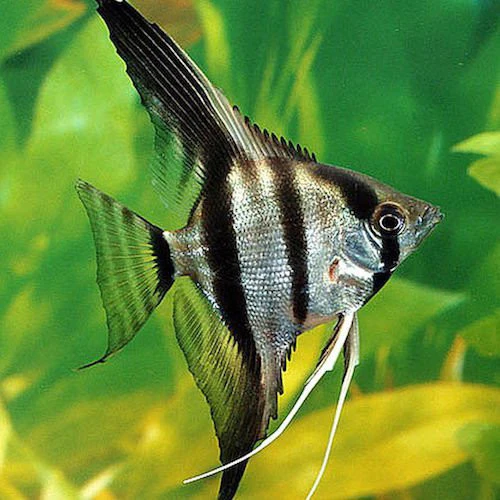
Pterophyllum scalare + Danio rerio: activity level and swimming style may be poorly matched and cause sustained stress.
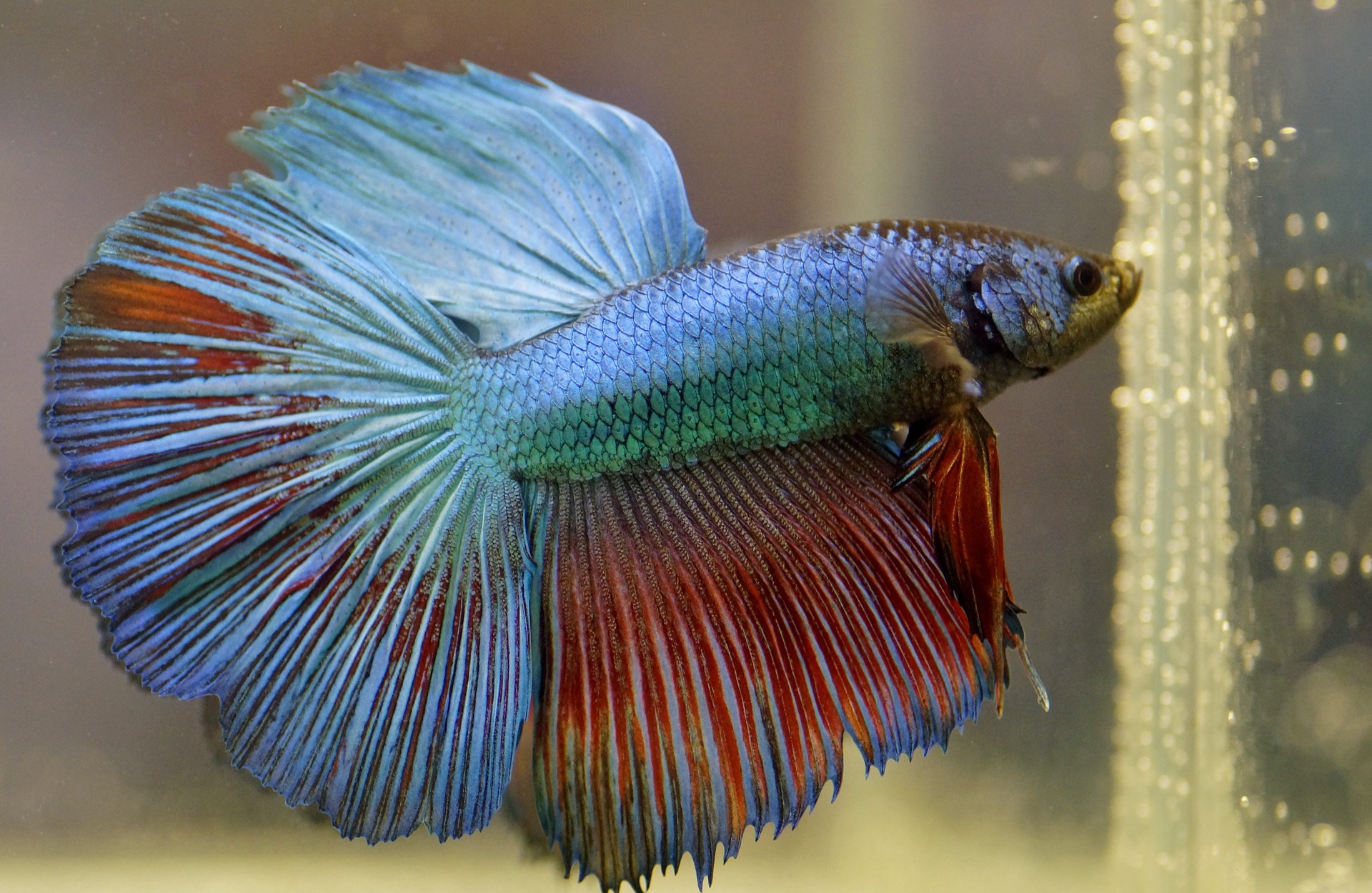
Betta splendens + Danio rerio: territoriality, dominance or competition for calm areas of the aquarium may occur.
Carinotetraodon travancoricus + Danio rerio: territoriality, dominance or competition for calm areas of the aquarium may occur.
Puntigrus tetrazona + Danio rerio: compatibility depends strongly on group size and keeping social species in adequate numbers.
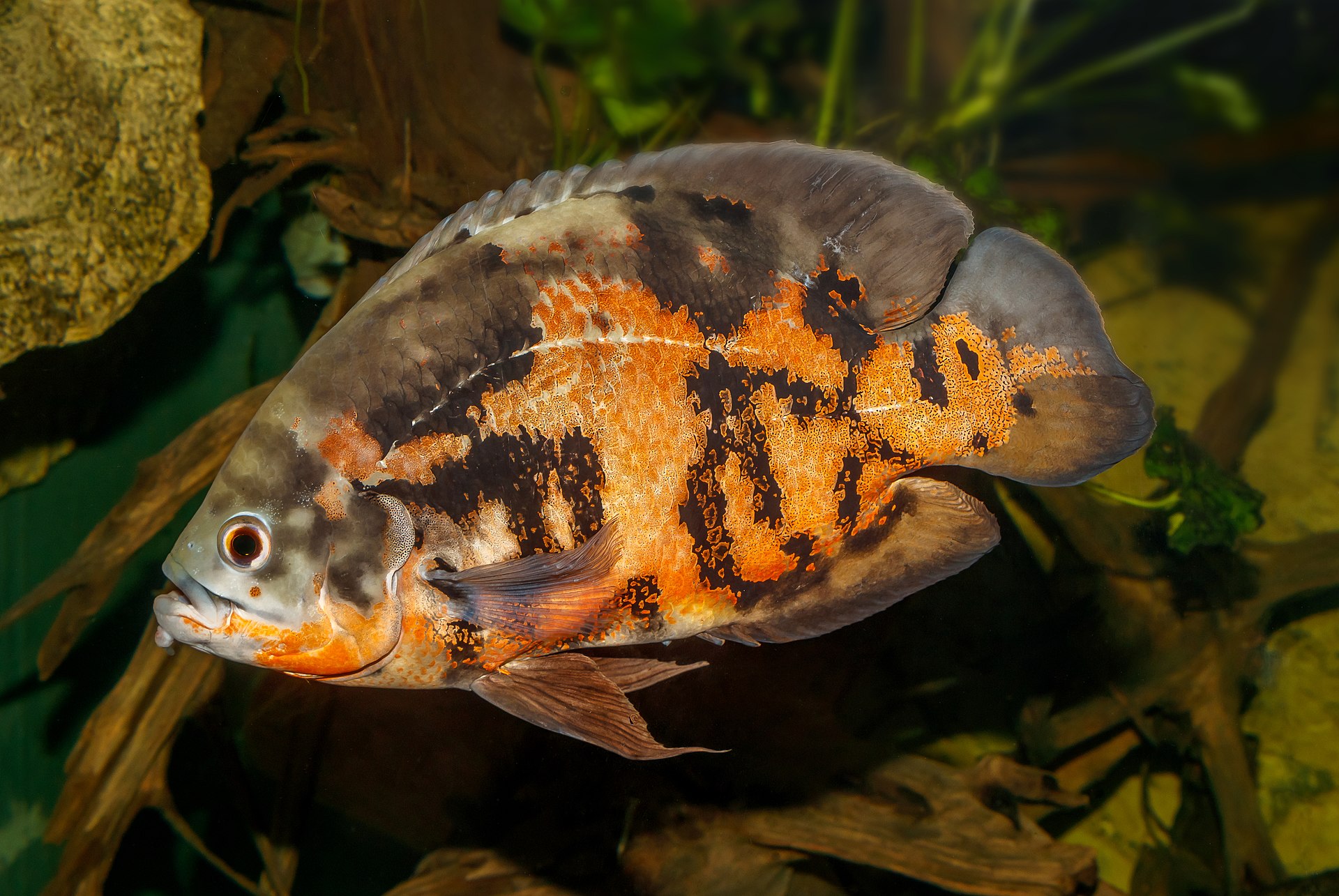
Astronotus ocellatus + Danio rerio: there is a predation risk due to size difference, mouth capacity or feeding behavior.
Keep a large group, secure lid and horizontal space. It tolerates broad ranges, but that should not justify incoherent mixes. Avoid long-finned slow tankmates in small tanks.
It breeds relatively easily as an egg scatterer. Adults eat eggs and fry, so breeding requires separation and tiny first foods.
Hembras más redondeadas y robustas. Machos más esbeltos y algo más amarillentos.
Es una de las especies más usadas en investigación biomédica
Sus rayas permanecen visibles durante toda la vida
Es un pez muy activo y gregario
Editorial confidence
Content based on parameters, ecological profiles and manual relationships.
Related species to keep comparing habitat, size, and behavior.