Best for
Aquariums where its role fits: predator.
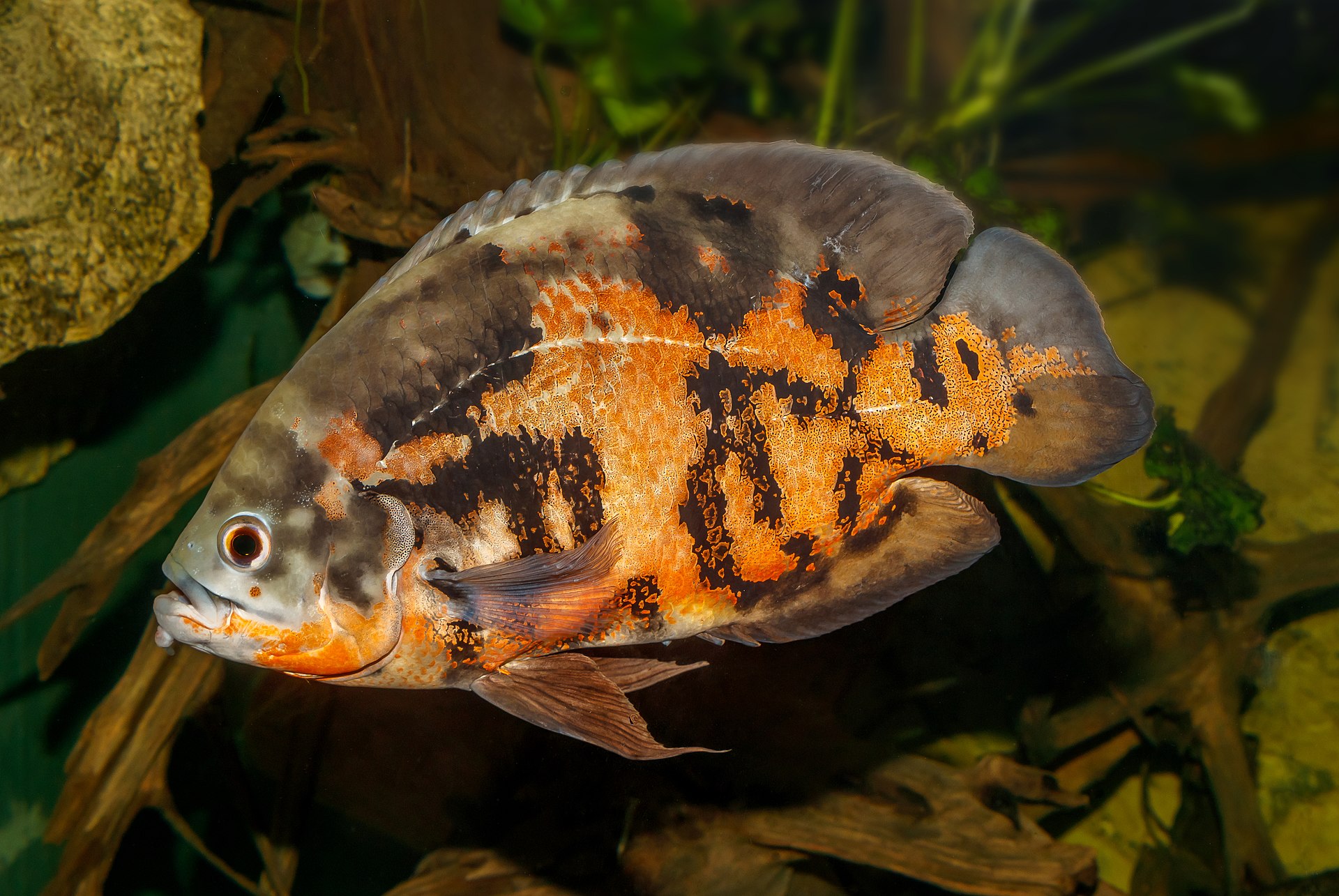
Astronotus ocellatus
The Oscar is a large, intelligent predatory cichlid. It is not suitable for small communities or fish that fit in its mouth. Adult size, strength and bioload must be planned from the start.
It may recognize routines and show complex behavior, but that does not reduce its needs: large volume, powerful filtration and robust tankmates.
Expert calculator
Analyze volume, parameters, behavior and relationships with other species.
A practical summary to quickly decide whether it fits your aquarium.
Best for
Aquariums where its role fits: predator.
Avoid
Mixes marked as high risk or not recommended in manual relationships.
Compatible with
Has positive or conditional references with species such as Bristlenose pleco.
Typical risk
Bioload and adult volume should be planned with margin.
Aquarium zone
Quick compatibility
Review these points before adding it to your aquarium. They are practical notes based on its profile, ecological data, and known relationships.
Make sure your aquarium is above 300 L before buying it.
Prepare visual cover and calm areas if it will live with other species.
Do not mix it with fish or invertebrates that may fit in its adult mouth.
Plan filtration, water changes, and total stocking: this species can heavily load the system.
Parameters
Growth and behavior
Ecological profile
Common mistakes
Keeping it in tanks below the recommended adult volume.
Mixing it with species small enough to become prey.
Designing the aquarium without shelter or visual barriers.
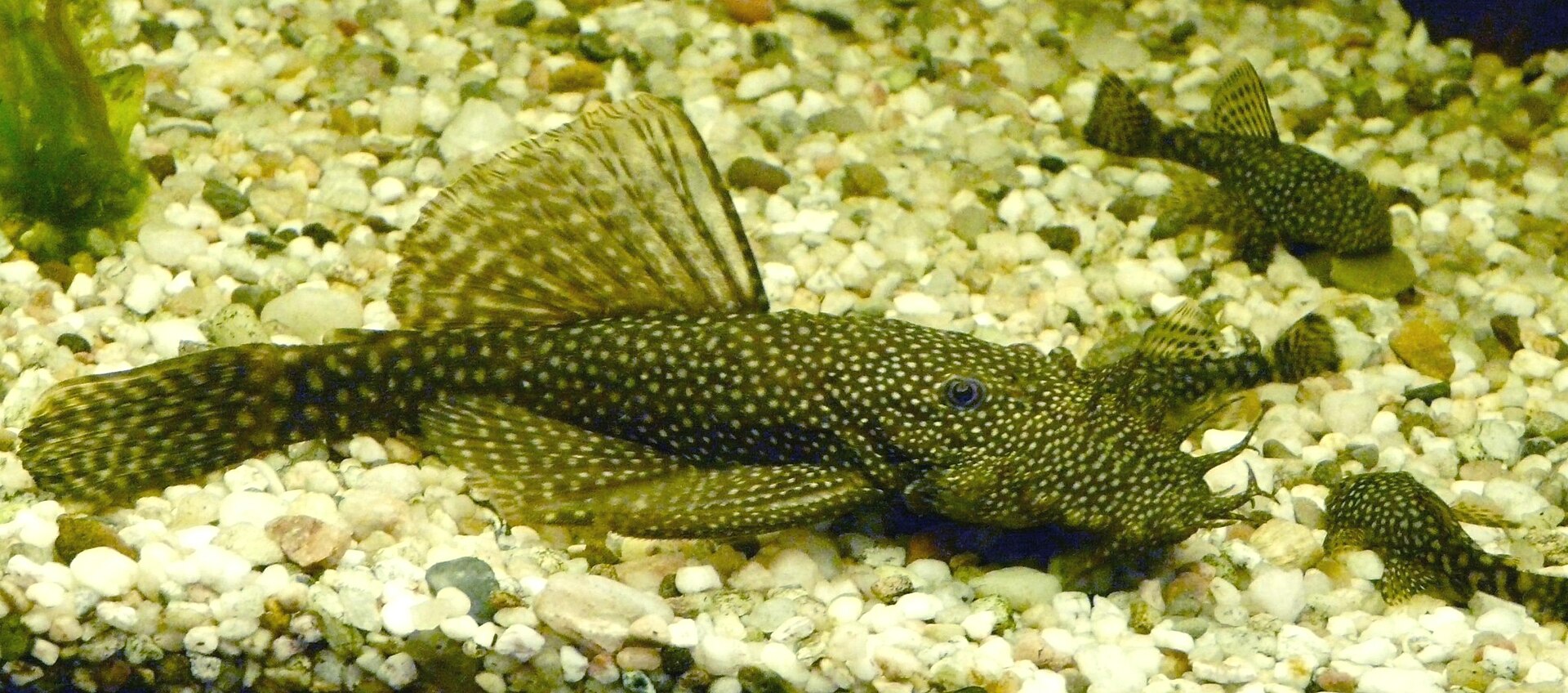
Astronotus ocellatus + Ancistrus cirrhosus: size difference, activity level or space pressure may cause stress, competition or insufficient usable room.
Astronotus ocellatus + Neritina natalensis: there is a predation risk due to size difference, mouth capacity or feeding behavior.
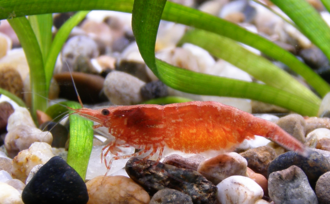
Astronotus ocellatus + Neocaridina davidi: there is a predation risk due to size difference, mouth capacity or feeding behavior.
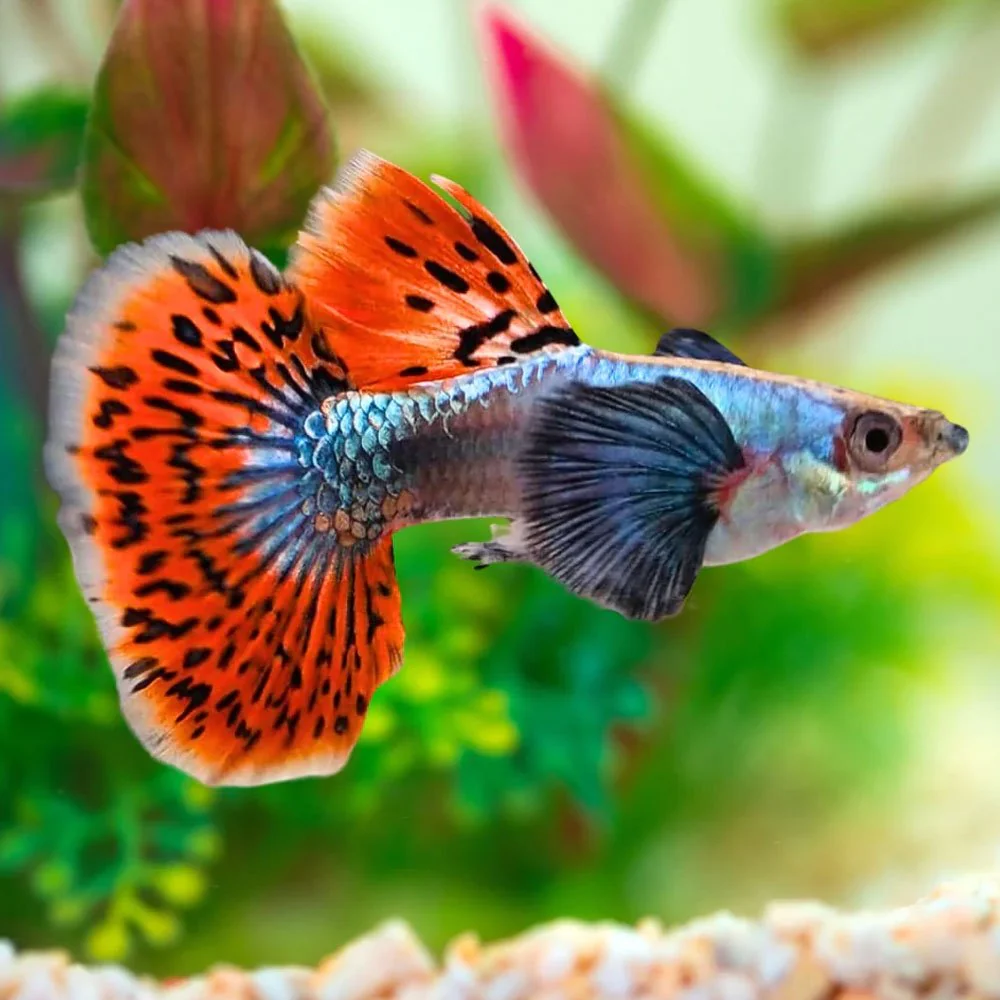
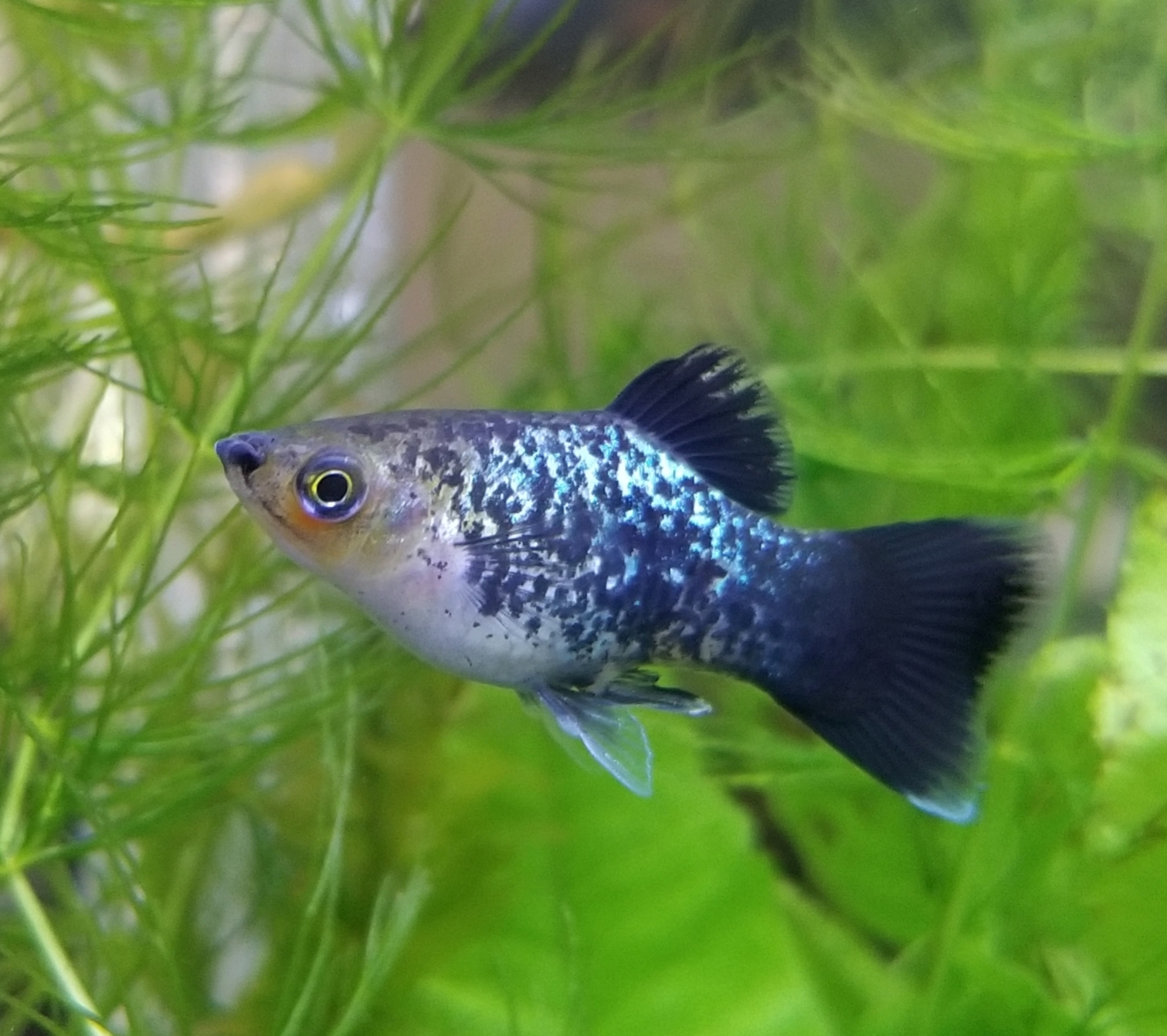
Astronotus ocellatus + Poecilia Reticulata: there is a predation risk due to size difference, mouth capacity or feeding behavior.
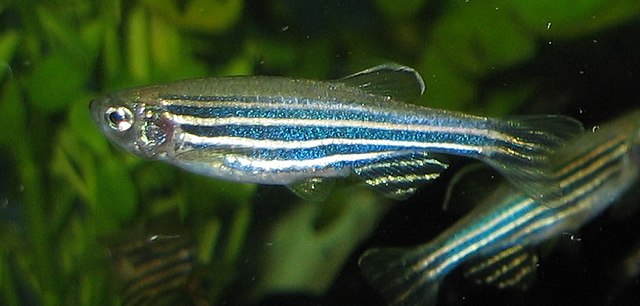
Astronotus ocellatus + Danio rerio: there is a predation risk due to size difference, mouth capacity or feeding behavior.
Astronotus ocellatus + Paracheirodon axelrodi: there is a predation risk due to size difference, mouth capacity or feeding behavior.
Astronotus ocellatus + Symphysodon aequifasciatus: territoriality, dominance or competition for calm areas of the aquarium may occur.
Use large aquariums, secure lids and heavy decoration. Avoid neons, guppies, shrimp and small fish. Filtration must handle heavy waste and protein-rich meals.
Breeding involves a territorial pair and intense defense. It may move decoration and attack intruders. A very large or dedicated tank is required to avoid harm to other fish.
Machos algo más esbeltos; hembras más robustas
Es una especie muy popular en acuariofilia
Se aprecia más cuando se mantiene correctamente
Editorial confidence
Content based on parameters, ecological profiles and manual relationships.
Related species to keep comparing habitat, size, and behavior.