Best for
Aquariums where its role fits: centerpiece.
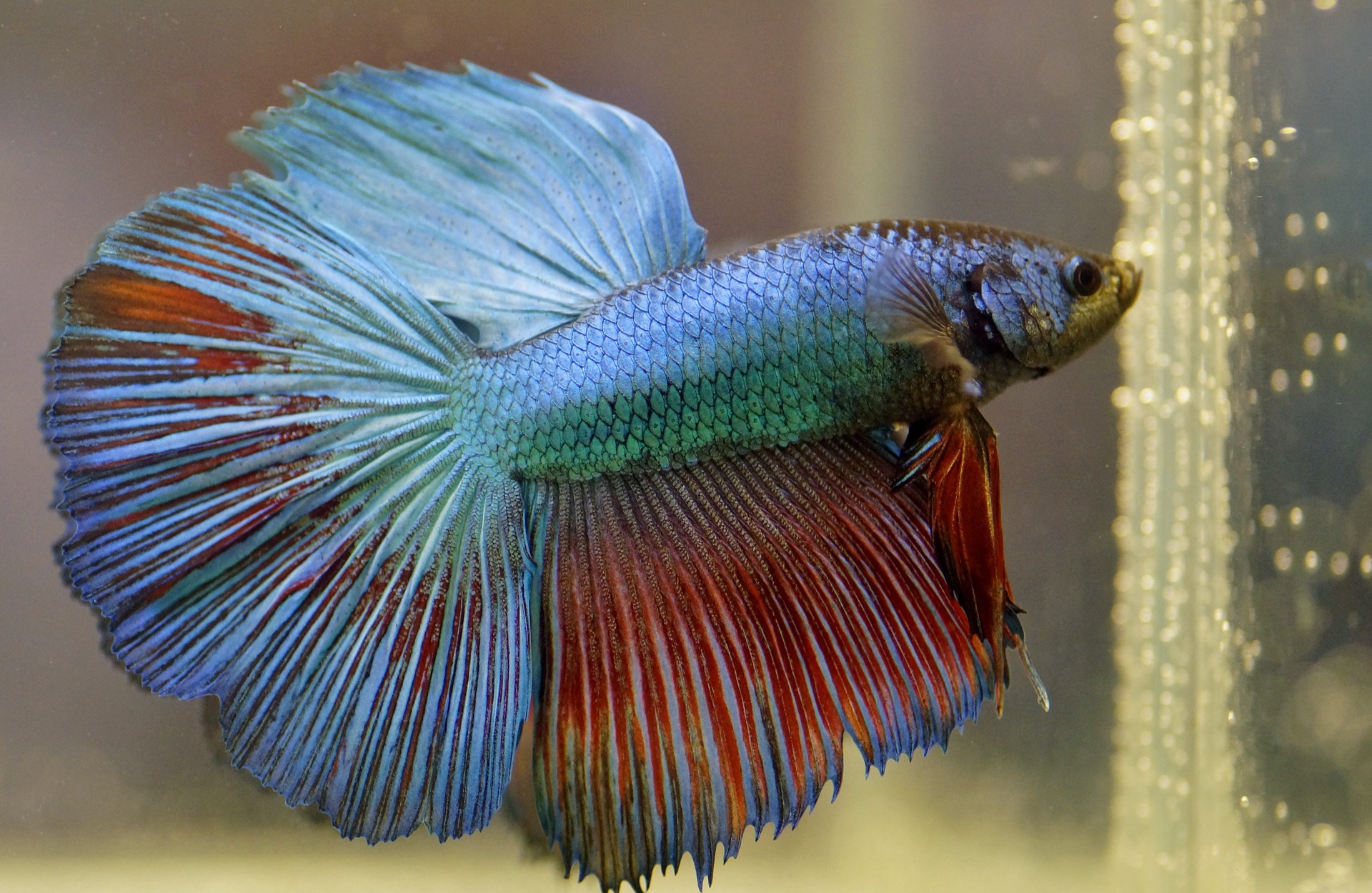
Betta splendens
Betta splendens is one of the most popular aquarium fish, but also one of the most misunderstood. It is not a fish for tiny bowls or nervous communities: it needs warm stable water, calm surface areas and a planted layout with visual cover and little direct competition.
Its value as a centerpiece species lies in behavior. A healthy betta explores, patrols, rests on broad leaves and reacts to its environment. The key is a tank designed around surface breathing, long fins and territorial tendencies.
Expert calculator
Analyze volume, parameters, behavior and relationships with other species.
A practical summary to quickly decide whether it fits your aquarium.
Best for
Aquariums where its role fits: centerpiece.
Avoid
Mixes marked as high risk or not recommended in manual relationships.
Compatible with
Has positive or conditional references with species such as Nerite snail.
Typical risk
Stability depends on temperature, group size, and real compatibility.
Aquarium zone
Quick compatibility
Review these points before adding it to your aquarium. They are practical notes based on its profile, ecological data, and known relationships.
Make sure your aquarium is above 20 L before buying it.
Prepare visual cover and calm areas if it will live with other species.
Avoid fin nippers or very nervous fish that may harass it.
Avoid keeping it at the edges of its temperature range for long periods.
Parameters
Growth and behavior
Ecological profile
Common mistakes
Keeping it in tanks below the recommended adult volume.
Keeping temperature at the edges of the range for long periods.
Designing the aquarium without shelter or visual barriers.
Betta splendens + Neritina natalensis: cohabitation is usually viable if volume, parameters, groups and adult behavior are respected.
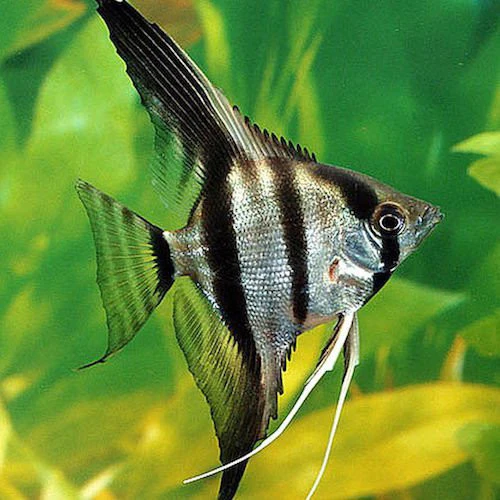
Betta splendens + Pterophyllum scalare: territoriality, dominance or competition for calm areas of the aquarium may occur.
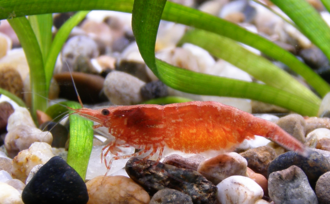
Betta splendens + Neocaridina davidi: shrimp, fry or small invertebrates may be at risk from curiosity, harassment or opportunistic predation.
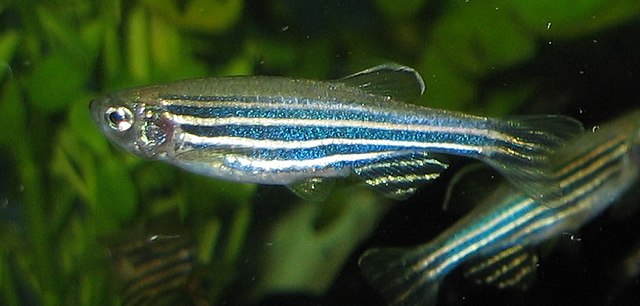
Betta splendens + Danio rerio: territoriality, dominance or competition for calm areas of the aquarium may occur.
Betta splendens + Paracheirodon axelrodi: territoriality, dominance or competition for calm areas of the aquarium may occur.
Betta splendens + Carinotetraodon travancoricus: there is a risk of fin nipping, harassment or stress in slow, nervous or long-finned species.
Betta splendens + Puntigrus tetrazona: there is a risk of fin nipping, harassment or stress in slow, nervous or long-finned species.
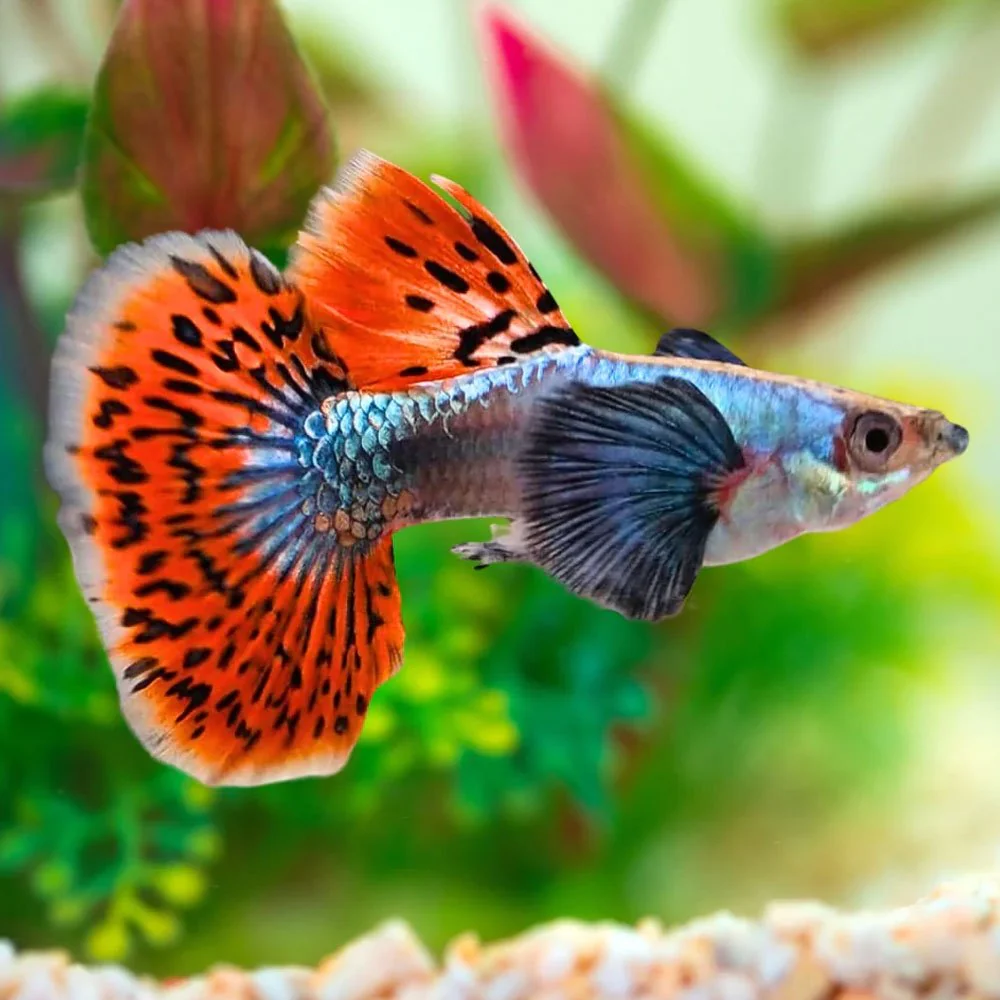
Betta splendens + Poecilia Reticulata: there is a risk of fin nipping, harassment or stress in slow, nervous or long-finned species.
Betta splendens + Trichopodus trichopterus: territoriality, dominance or competition for calm areas of the aquarium may occur.
Chromobotia macracanthus + Betta splendens: size difference, activity level or space pressure may cause stress, competition or insufficient usable room.
Use a stable, preferably planted aquarium with gentle filtration and constant temperature. Avoid strong current, sharp decoration and fin-nipping tankmates such as tiger barbs. Shrimp may work with some individuals, but only with dense cover and with risk to juveniles.
Breeding is possible but should not be improvised. The male builds a bubble nest and may become highly territorial. It requires conditioning, removing the female afterward, fry care and room to separate juveniles as aggression appears.
Editorial confidence
Content based on parameters, ecological profiles and manual relationships.
Related species to keep comparing habitat, size, and behavior.