Best for
Aquariums where its role fits: centerpiece.
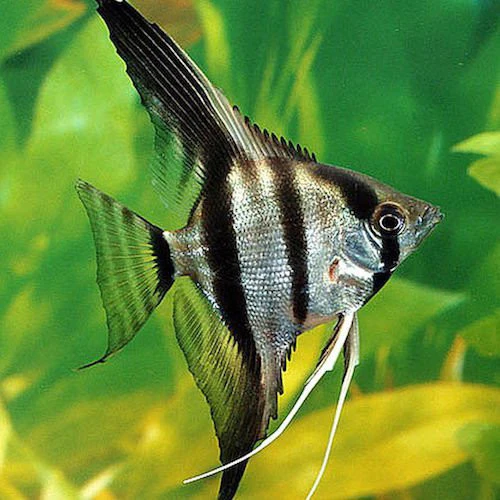
Pterophyllum scalare
The angelfish is an elegant cichlid that needs height, stability and carefully chosen tankmates. As a juvenile it may seem like a simple community fish, but adults develop hierarchy, territoriality and pair behavior.
Its tall body requires good water column height. In low or crowded tanks, stress and chasing increase.
Expert calculator
Analyze volume, parameters, behavior and relationships with other species.
A practical summary to quickly decide whether it fits your aquarium.
Best for
Aquariums where its role fits: centerpiece.
Avoid
Mixes marked as high risk or not recommended in manual relationships.
Compatible with
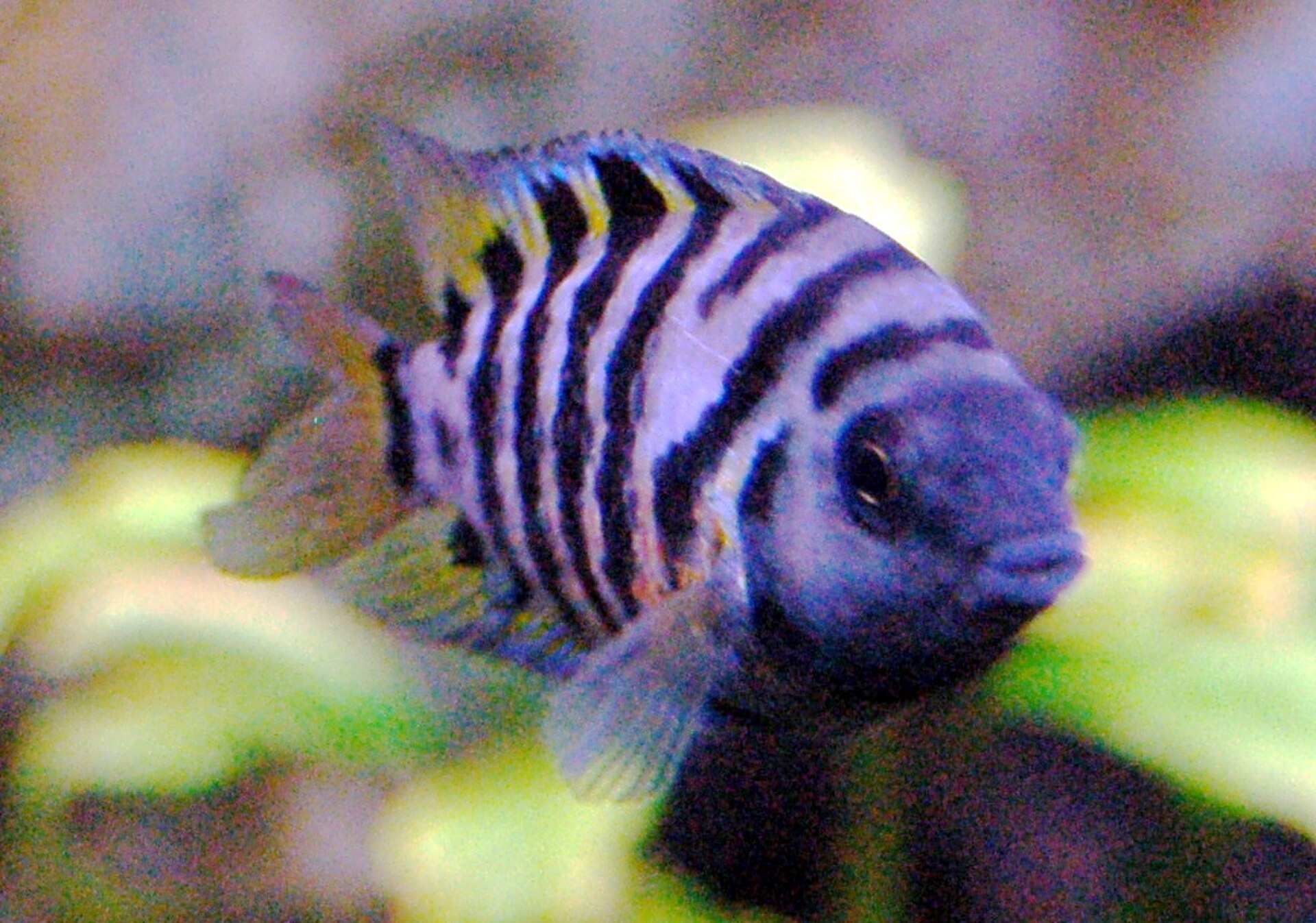
Has positive or conditional references with species such as Bronze cory.
Typical risk
Bioload and adult volume should be planned with margin.
Aquarium zone
Quick compatibility
Review these points before adding it to your aquarium. They are practical notes based on its profile, ecological data, and known relationships.
Make sure your aquarium is above 200 L before buying it.
Do not keep it alone if it needs a group; plan space for the right number of individuals.
Prepare visual cover and calm areas if it will live with other species.
Avoid fin nippers or very nervous fish that may harass it.
Do not mix it with fish or invertebrates that may fit in its adult mouth.
Plan filtration, water changes, and total stocking: this species can heavily load the system.
Parameters
Growth and behavior
Ecological profile
Common mistakes
Keeping it in tanks below the recommended adult volume.
Keeping too few individuals for a social species.
Mixing it with species small enough to become prey.
Designing the aquarium without shelter or visual barriers.
Pterophyllum scalare + Corydoras aeneus: cohabitation is usually viable if volume, parameters, groups and adult behavior are respected.
Pterophyllum scalare + Corydoras sterbai: cohabitation is usually viable if volume, parameters, groups and adult behavior are respected.
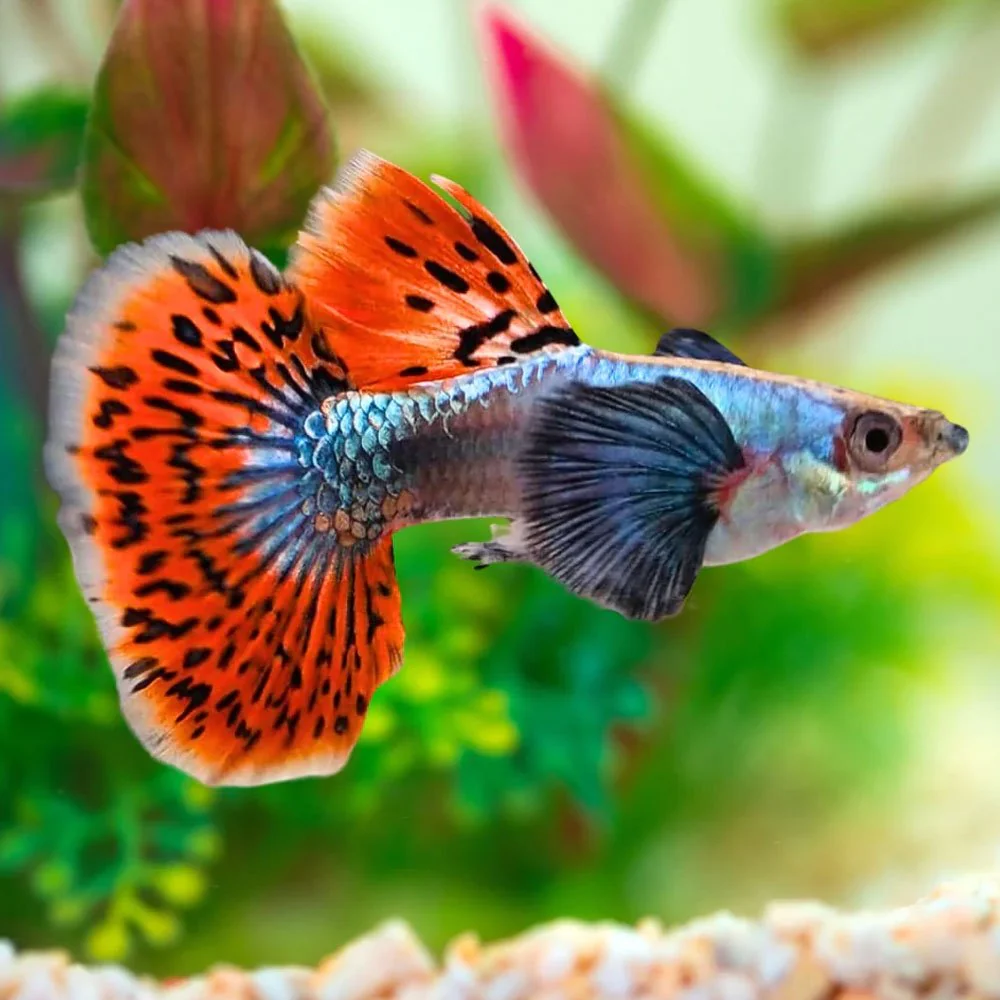
Pterophyllum scalare + Poecilia Reticulata: territoriality, dominance or competition for calm areas of the aquarium may occur.
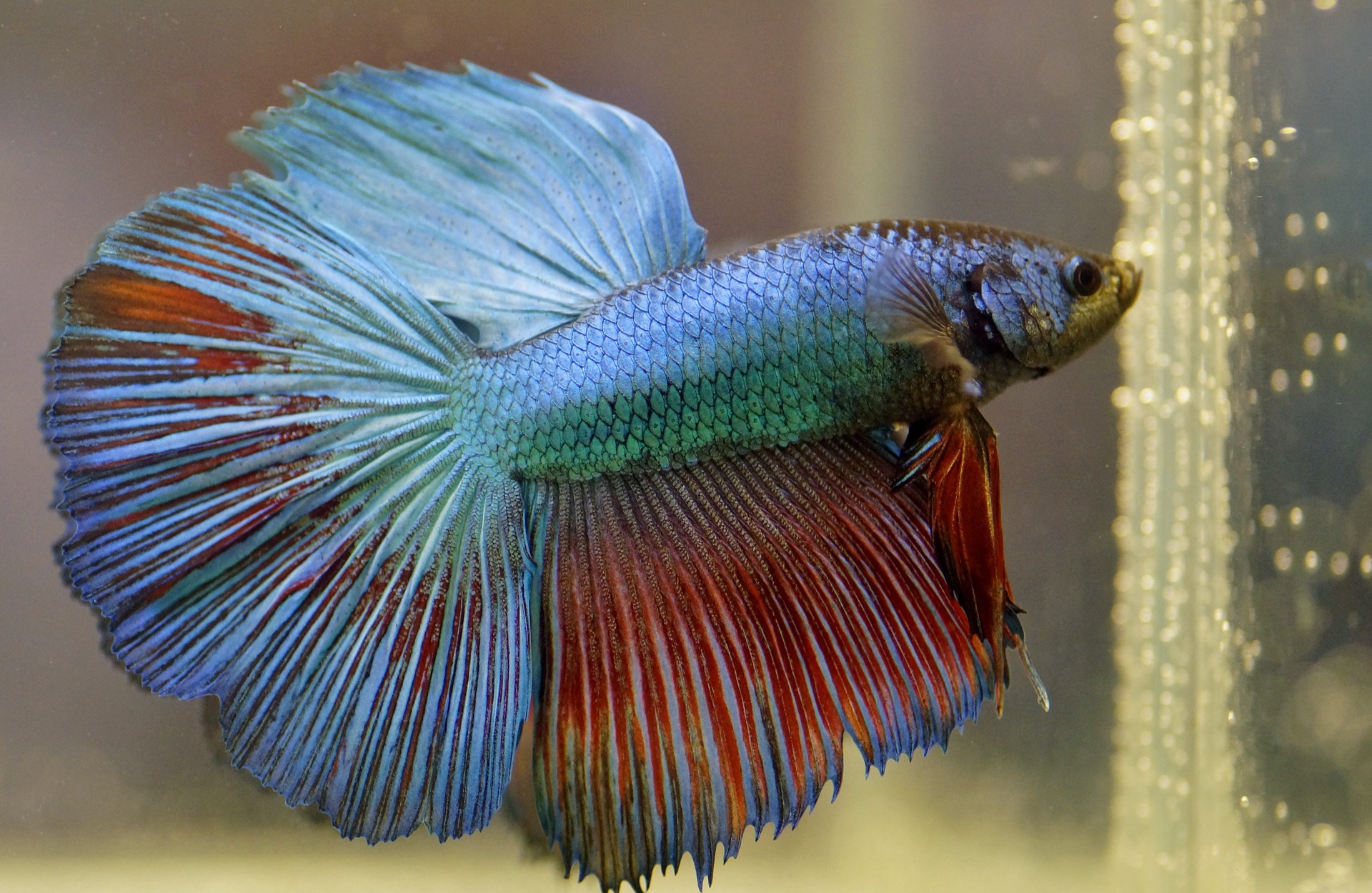
Betta splendens + Pterophyllum scalare: territoriality, dominance or competition for calm areas of the aquarium may occur.
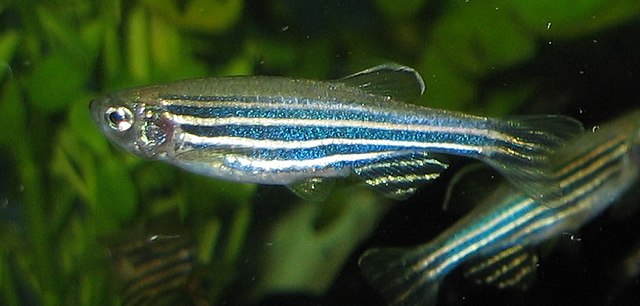
Pterophyllum scalare + Danio rerio: activity level and swimming style may be poorly matched and cause sustained stress.
Carassius auratus + Pterophyllum scalare: this combines coldwater or temperate species with tropical species that need different temperatures.
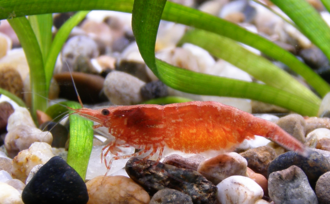
Pterophyllum scalare + Neocaridina davidi: shrimp, fry or small invertebrates may be at risk from curiosity, harassment or opportunistic predation.
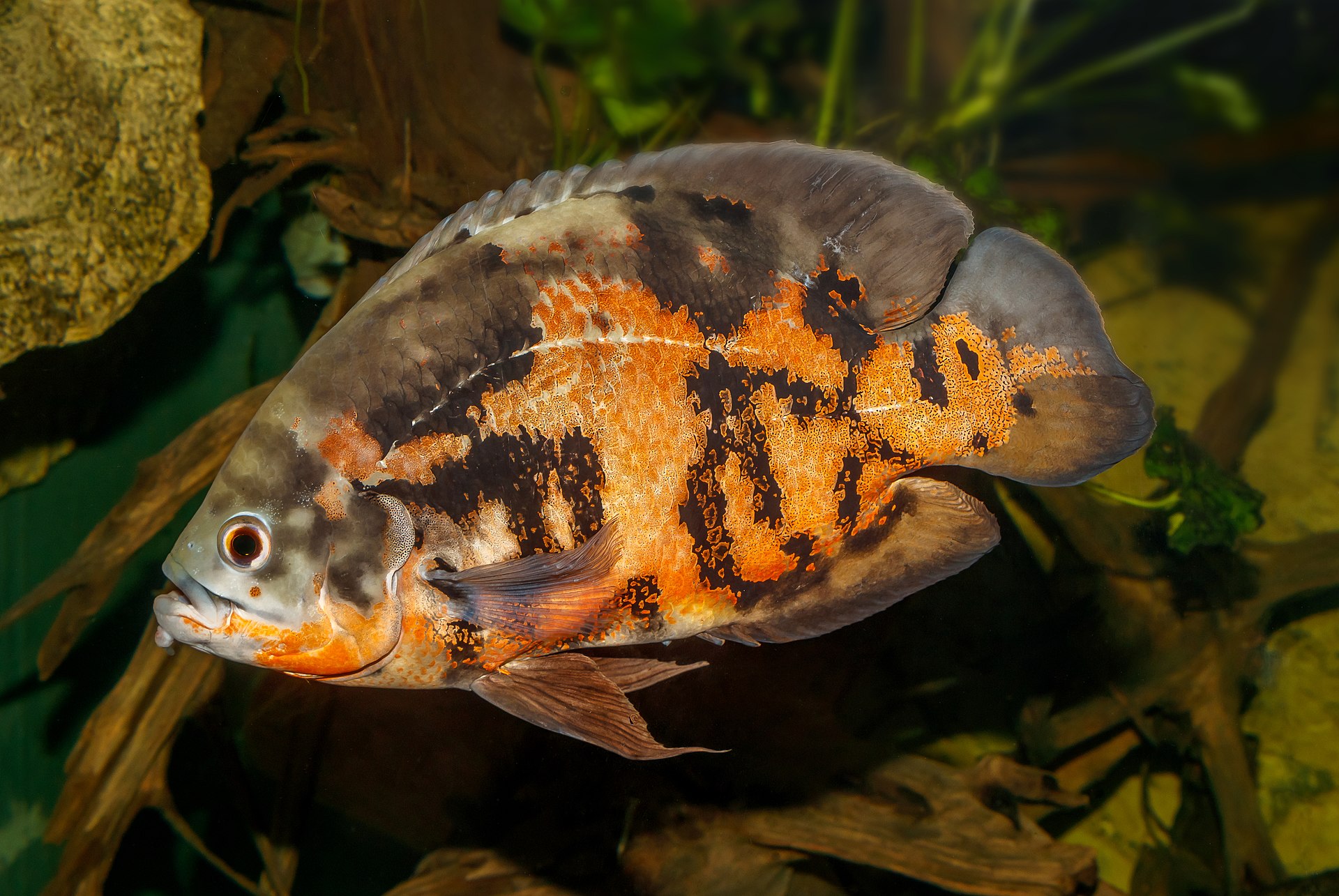
Astronotus ocellatus + Pterophyllum scalare: territoriality, dominance or competition for calm areas of the aquarium may occur.
Puntigrus tetrazona + Pterophyllum scalare: there is a risk of fin nipping, harassment or stress in slow, nervous or long-finned species.
Prioritize tall aquariums with plants or vertical roots. Avoid very small fish that may be treated as prey and fin-nipping species. Schooling tankmates should be large enough and calm.
It forms pairs and lays eggs on vertical surfaces. During breeding it may defend an area strongly. In community tanks, eggs or fry are often eaten unless the pair is separated.
Editorial confidence
Content based on parameters, ecological profiles and manual relationships.
Related species to keep comparing habitat, size, and behavior.