Best for
Aquariums where its role fits: bottom cleaner.
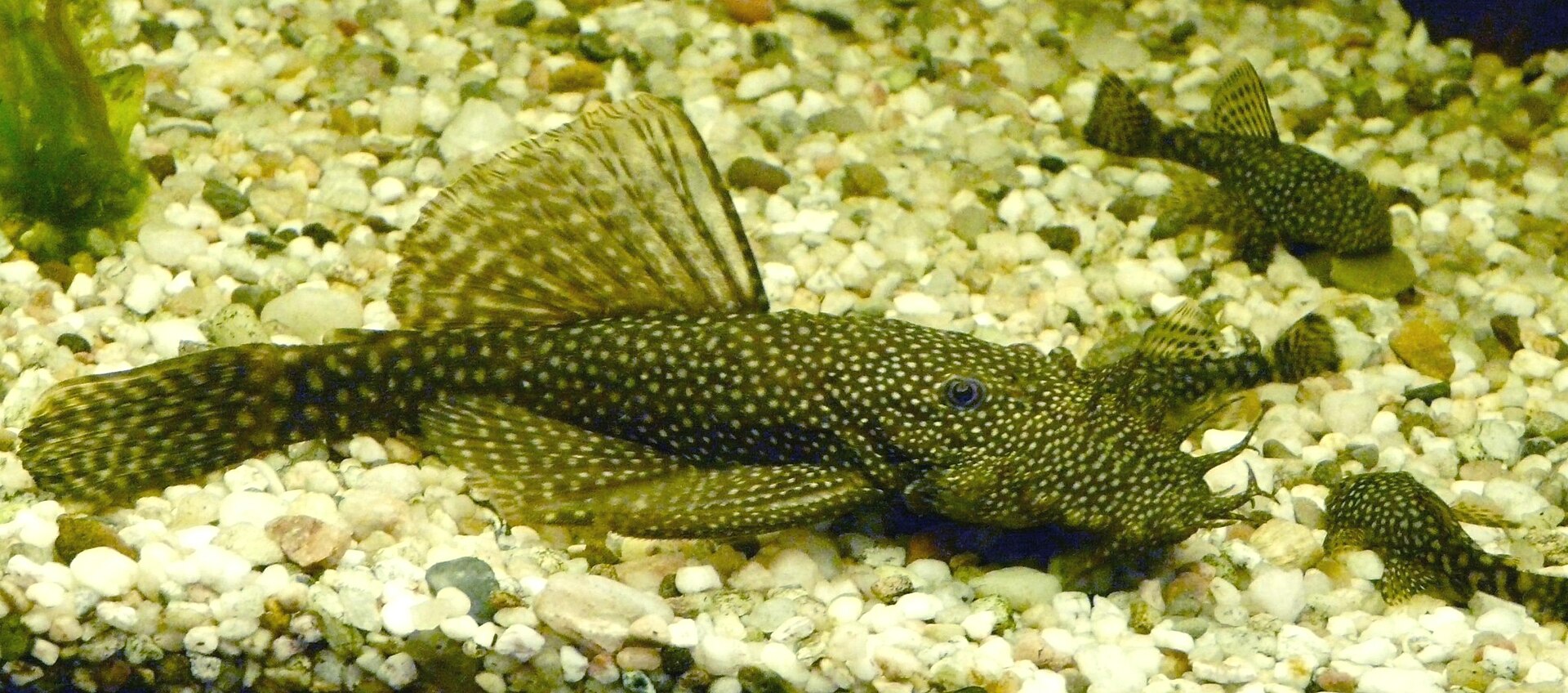
Corydoras aeneus
Corydoras aeneus is a hardy, active corydoras suitable for many calm communities. Its reputation as an easy fish does not remove two basic needs: living in a group and having safe substrate.
It constantly explores the bottom with its barbels, so sharp gravel and accumulated dirt are real problems.
Expert calculator
Analyze volume, parameters, behavior and relationships with other species.
A practical summary to quickly decide whether it fits your aquarium.
Best for
Aquariums where its role fits: bottom cleaner.
Avoid
Mixes marked as high risk or not recommended in manual relationships.
Compatible with
Has positive or conditional references with species such as Angelfish.
Typical risk
Stability depends on temperature, group size, and real compatibility.
Aquarium zone
Quick compatibility
Review these points before adding it to your aquarium. They are practical notes based on its profile, ecological data, and known relationships.
Make sure your aquarium is above 80 L before buying it.
Do not keep it alone if it needs a group; plan space for the right number of individuals.
Parameters
Growth and behavior
Ecological profile
Common mistakes
Keeping it in tanks below the recommended adult volume.
Keeping too few individuals for a social species.
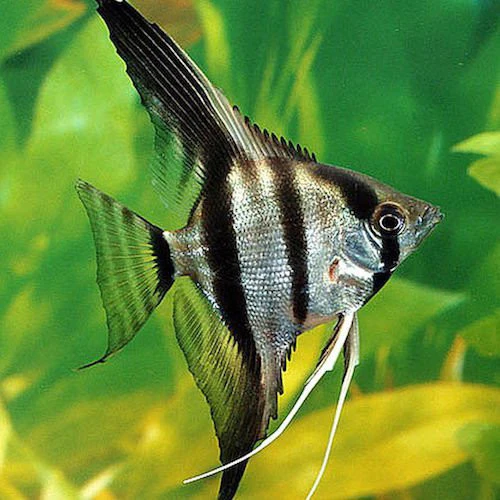
Pterophyllum scalare + Corydoras aeneus: cohabitation is usually viable if volume, parameters, groups and adult behavior are respected.
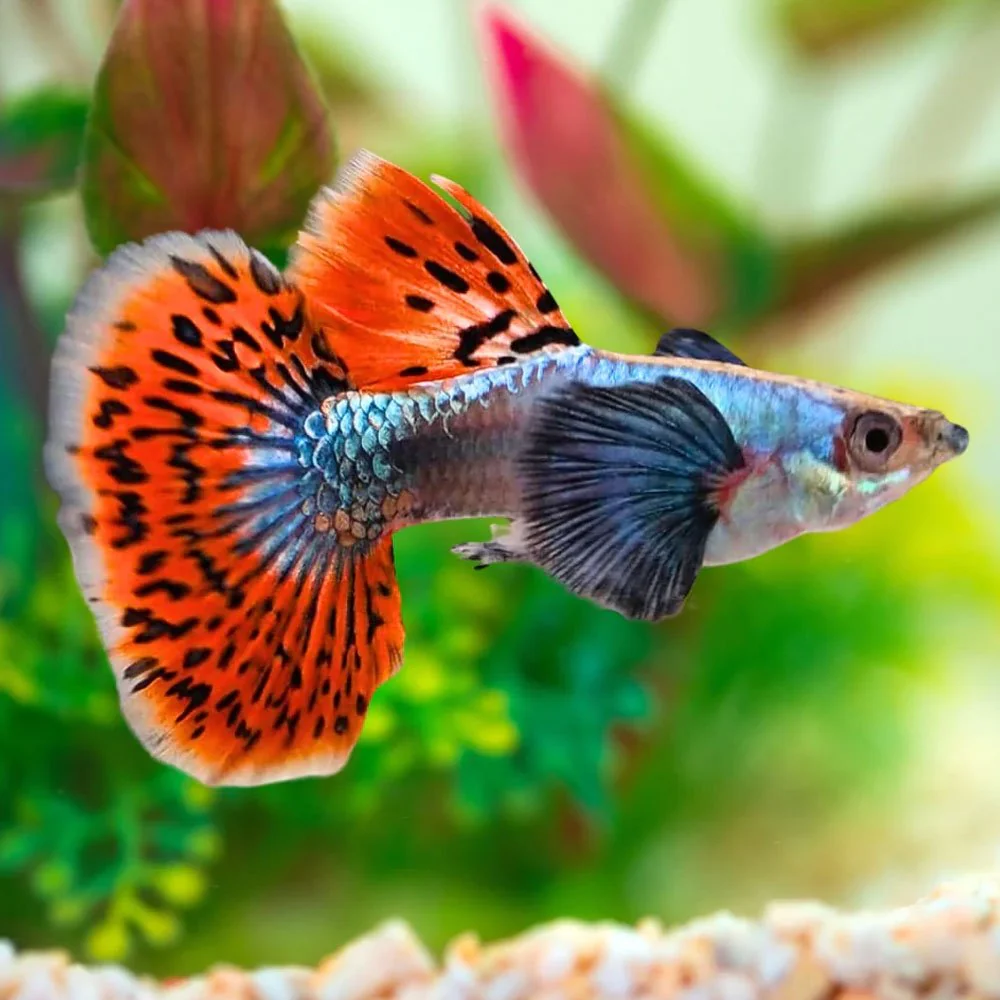
Poecilia Reticulata + Corydoras aeneus: cohabitation is usually viable if volume, parameters, groups and adult behavior are respected.
Corydoras aeneus + Corydoras paleatus: cohabitation is usually viable if volume, parameters, groups and adult behavior are respected.
Corydoras aeneus + Corydoras sterbai: cohabitation is usually viable if volume, parameters, groups and adult behavior are respected.
Chromobotia macracanthus + Corydoras aeneus: size difference, activity level or space pressure may cause stress, competition or insufficient usable room.
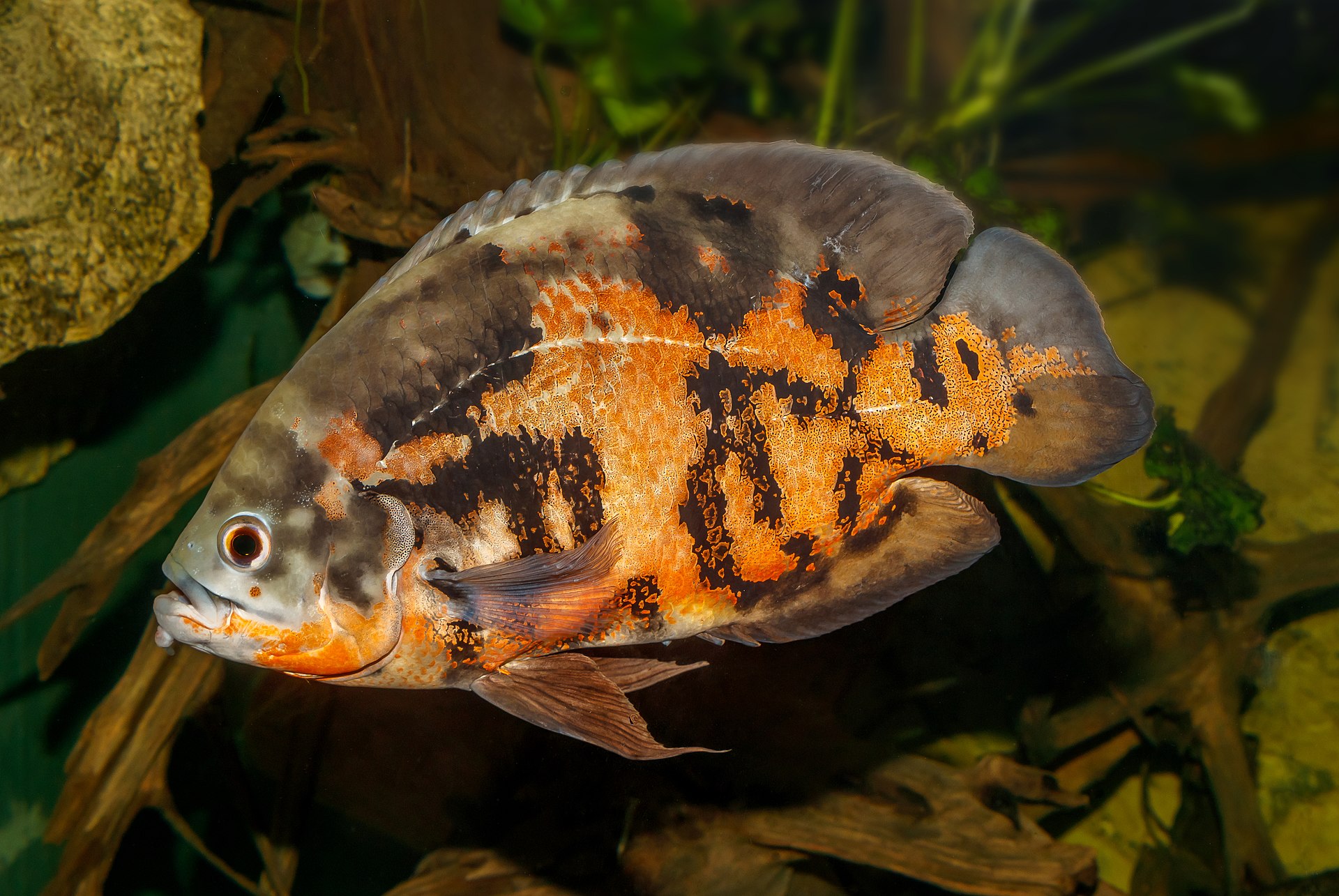
Astronotus ocellatus + Corydoras aeneus: there is a predation risk due to size difference, mouth capacity or feeding behavior.
Keep a group, fine sand and well-oxygenated water. Avoid prolonged extremes, especially high heat when combined with species such as discus. Filtration should move water without disturbing the substrate too much.
Breeding is possible in mature aquariums. Slightly cooler water changes and good conditioning may trigger spawning. Eggs should be protected if fry are to be raised.
Machos algo más esbeltos; hembras más robustas
Es una especie muy popular en acuariofilia
Se aprecia más cuando se mantiene correctamente
Editorial confidence
Content based on parameters, ecological profiles and manual relationships.
Related species to keep comparing habitat, size, and behavior.