Search fish, plants, corals...

South American Floodplain
Expert biome landing

South American Floodplain

Seasonally flooded forests and shallow waters with abundant vegetation.

Ecological identity

What makes this biome unique

South American floodplains change with the season: submerged wood, leaves, temporary vegetation and slow water create shelter for calm fish. It is flexible, but it requires understanding that many species grow, pair off or change behavior as they mature.
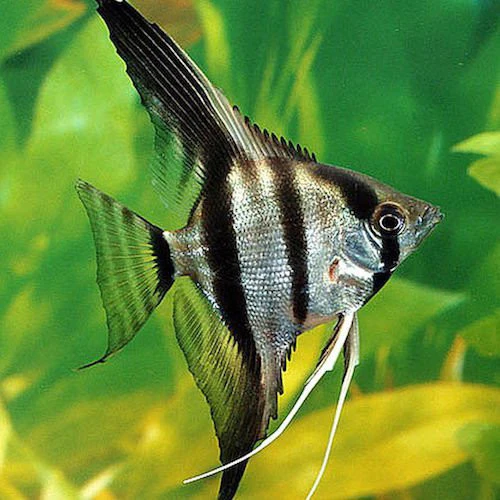
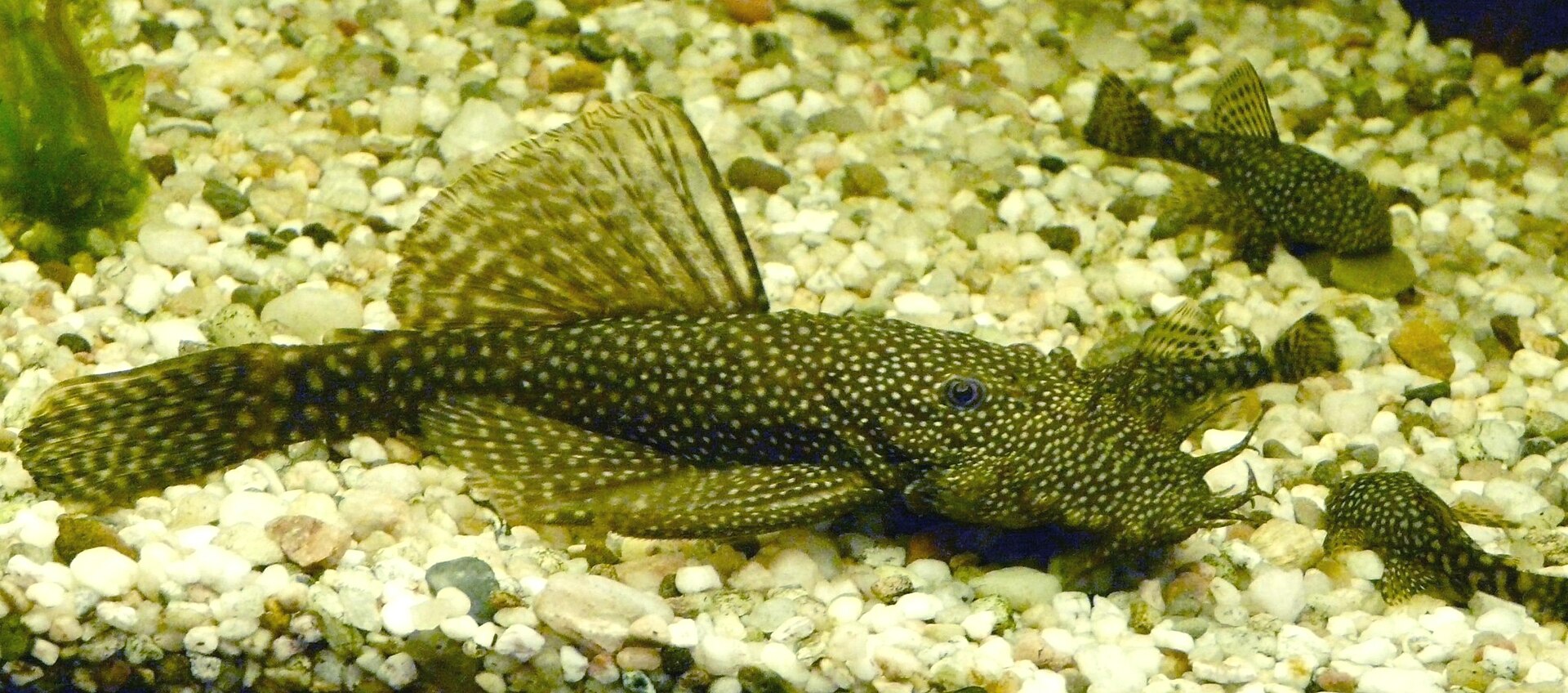
Example aquarium

Recommended base

Recommended volume
250 L+
Temperature
24 - 29 C
pH
5.8 - 7.2
Visual parameters

Key conditions

Temperature
24 - 29 C
pH
5.8 - 7.2
GH
1 - 10 GH
KH
0 - 6 KH
Flow
Low
Lighting
Dim To Medium
Recommended setup

How to recreate it

Create structure with wood, shaded areas, sand and leaves. Leave open swimming space and avoid filling the entire surface with decor.

Best for

Aquarist profile

For aquarists who want a natural South American aquarium with more visual presence than extreme blackwater and room for calm medium-sized species.

Not recommended

Avoid it if...

Not recommended for very small tanks or for mixing larger fish without planning adult size. It also does not fit hard-water or strong-current species.

Maintenance

Expected routine

Control organic buildup among leaves and wood. Regular water changes and selective siphoning keep stability without destroying the natural look.

Example aquarium

Suggested composition

Example aquarium: 150-250 liters with fine sand, wood, leaves and open areas. It can combine schooling fish with peaceful centerpiece species if volume and territories are planned well.

Suggested species
Angelfish Neon tetra Cardinal tetra Rummy nose tetra Black neon tetra Panda cory Bronze cory Bristlenose pleco
Recommended plants

Echinodorus, floating plants, hardy stems and epiphytes can fit if the goal is a flooded forest look rather than a perfect aquascape garden.

Species by role

Species associated with this biome

Indicative grouping using type, swim zone and ecological profile when available.

Centerpiece species

Surface

Midwater

Bottom and support

Common mistakes explained

What usually breaks this biome

  • Ignoring growth: angelfish, cichlids and loricariids may define the required volume.
  • Wrong substrate: fine sand protects bottom fish.
  • Too little structure: increases stress among medium-presence or territorial species.

Check whether your species fit this biome

Check adult volume and relationships between centerpiece fish, schools and bottom species before building a floodplain community.

Open calculator