Search fish, plants, corals...

Amazonian
Expert biome landing

Amazonian

Biome characterized by acidic blackwater, rich vegetation and high biodiversity. Warm temperature and soft water.

Ecological identity

What makes this biome unique

The Amazonian biome combines warm, soft and acidic water with roots, leaf litter and shaded areas. Its strength is not strong current, but stability: calm schooling fish, sensitive bottom dwellers and species that behave best when the aquarium offers visual cover and biological maturity.

It is ideal for observing natural behavior: tetras schooling, corydoras working fine sand and peaceful cichlids holding small territories without turning the tank aggressive.
Example aquarium

Recommended base

Recommended volume
250 L+
Temperature
25 - 29 C
pH
5 - 6.8
Visual parameters

Key conditions

Temperature
25 - 29 C
pH
5 - 6.8
GH
1 - 6 GH
KH
0 - 3 KH
Flow
Low To Medium
Lighting
Dim
Recommended setup

How to recreate it

Use fine sand, roots, dried leaves and shaded zones. Filtration should be stable without excessive flow. The goal is to create cover, broken sight lines and calm open water for schooling fish.

Best for

Aquarist profile

Recommended for aquarists who want a calm tropical community with natural behavior. It is especially rewarding for those who enjoy low-light planted tanks, amber water and sensitive species that reward stability.

Not recommended

Avoid it if...

Not ideal for hard water, high pH, bright white lighting or strong-current species. It also performs poorly with fish that constantly disturb the substrate or with overstocked communities.

Maintenance

Expected routine

Weekly maintenance with moderate water changes, partial removal of organic debris and nitrate control. Avoid cleaning all botanicals at once, as part of the biome character depends on biological maturity.

Example aquarium

Suggested composition

Example aquarium: 120-180 liters, dark fine sand, branched roots, dried leaves and dim lighting. Keep temperature around 26-28 C, stable acidic pH and gentle water changes.

  • Main school of Amazonian tetras.
  • Group of bottom fish on fine sand.
  • One calm centerpiece species if volume allows.
Suggested species
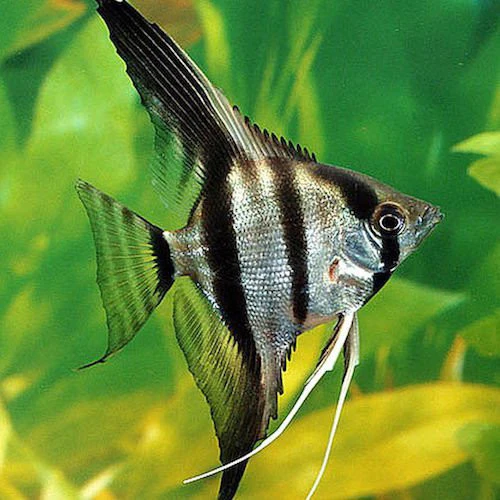
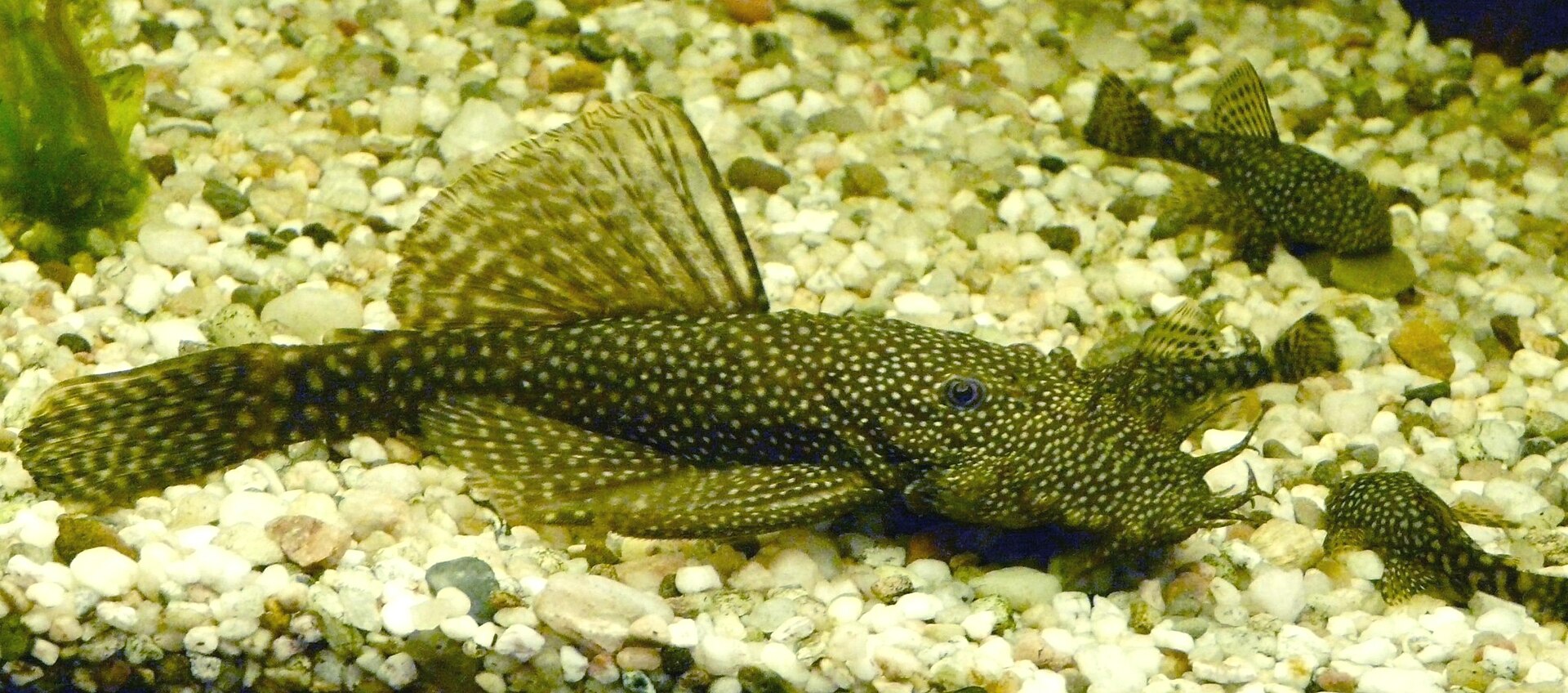
Angelfish Neon tetra Cardinal tetra Rummy nose tetra Black neon tetra Panda cory Bronze cory Bristlenose pleco
Recommended plants

Suitable plants include Amazonian or low-demand species: Echinodorus, Cabomba, Limnobium, floating plants and hardy epiphytes if the setup is not intended as a strict biotope.

Species by role

Species associated with this biome

Indicative grouping using type, swim zone and ecological profile when available.

Centerpiece species

Surface

Midwater

Bottom and support

Common mistakes explained

What usually breaks this biome

  • Using hard water: reduces comfort and may prevent sensitive Amazonian species from behaving naturally.
  • Too much light: removes the sense of cover and can stress blackwater fish.
  • Abrupt changes: pH, temperature and nitrate levels should stay stable.
  • Coarse gravel: is not suitable for corydoras and other bottom dwellers.

Check whether your species fit this biome

Check whether your tetras, corydoras and centerpiece fish share temperature, pH and volume before building an Amazonian community.

Open calculator