Search fish, plants, corals...

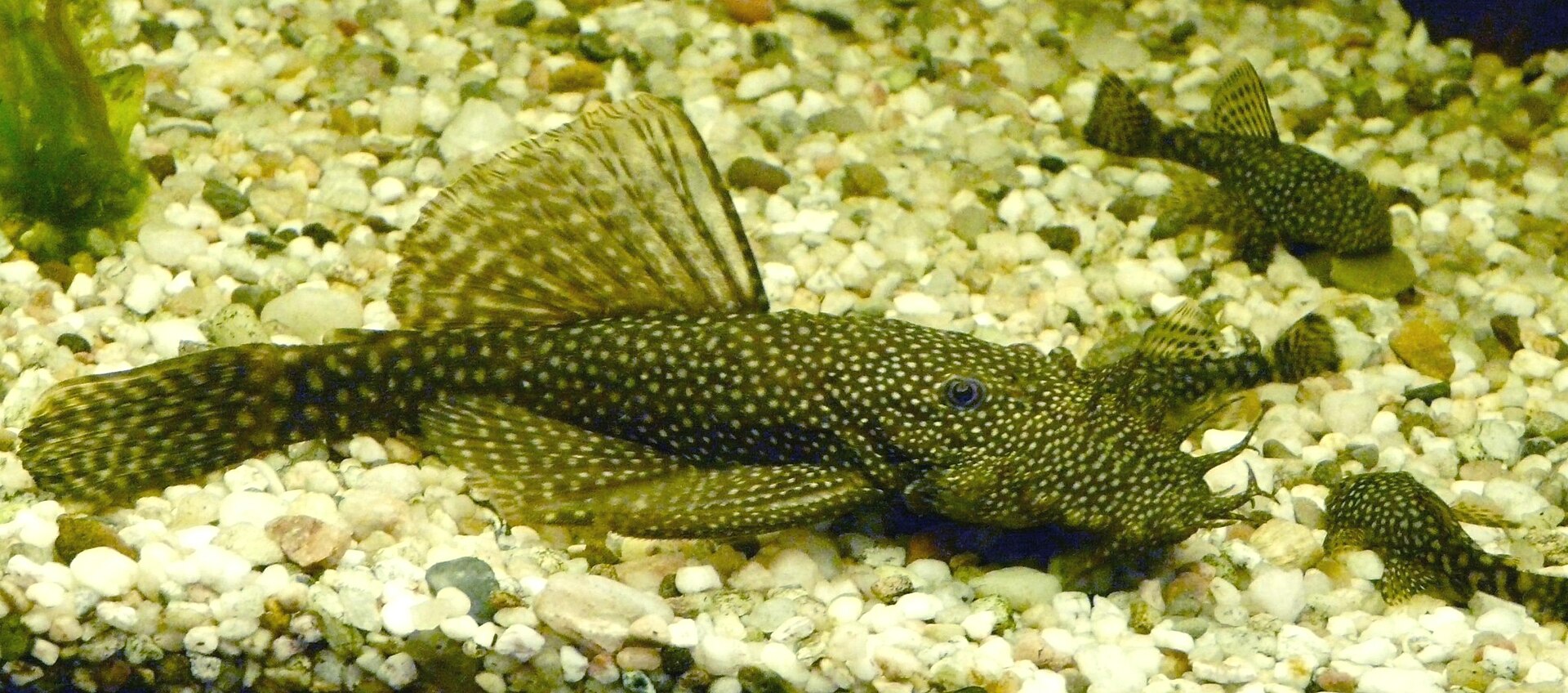
Bristlenose pleco
Fish · Freshwater

Bristlenose pleco

Ancistrus cirrhosus

Ancistrus cirrhosus is a popular loricariid because of its manageable size and grazing behavior. Still, it is not just a glass cleaner: it needs wood, shelters, vegetable food and bottom space.

Adult males may defend caves and show moderate territoriality, especially toward other loricariids or males of their own species.

D
Difficulty
Beginner
A
Aggression
3/10
G
Schooling
Low
T
Size
12.00 cm
L
Minimum volume
100 L
º
Temperature
23.0-27.0 ºC
Z
Zone
Bottom
V
Lifespan
5 years

Quick profile scan

fish
Territoriality Medium
Aggression 3/10
Activity Slow
Thermal sensitivity Medium
Bioload Medium
Speed Slow
Predation risk None

Expert calculator

Check whether this species fits your aquarium

Analyze volume, parameters, behavior and relationships with other species.

Check compatibility
Expert read

Quick verdict

A practical summary to quickly decide whether it fits your aquarium.

Best for

Aquariums where its role fits: algae grazer.
Compatible with

Has positive or conditional references with species such as Cherry shrimp.

Typical risk

Stability depends on temperature, group size, and real compatibility.

Aquarium zone

Where it lives best

Surface
Midwater
Bottom primary

Quick compatibility

Community signals

Shrimp
Compatible
Snails
Compatible
Slow fish
Compatible
Aggressive fish
Conditional
Small fish
Compatible
Large fish
Compatible
Delicate plants
Conditional
Buying decision

Before buying Bristlenose pleco

Review these points before adding it to your aquarium. They are practical notes based on its profile, ecological data, and known relationships.

L

Adult volume

Make sure your aquarium is above 100 L before buying it.

Parameters

Water conditions

pH
6.0 - 7.5
GH
3 - 15
KH
1 - 8
Temperature
23.0 - 27.0 ºC

Growth and behavior

Juvenile to adult

Juvenile
As a juvenile it is usually more flexible and less dominant than an adult. Even so, it benefits from cover, stable parameters and tank mates that do not compete intensely in the bottom.
Shift
The transition to adulthood usually brings more stable behavior when group size, space and parameters are suitable.
Adult
As an adult it behaves as a algae-grazing species and needs space, tank mates and activity level to be well balanced. Its impact increases when bioload or competition is high.

Ecological profile

Role and biological pressure

Algae Grazer Bottom Cleaner Medium Medium Moderate None
Profile: algae-grazing species, with medium bioload and primary use of the bottom. It does not rely on a strong school, but it still needs a balanced community without harassment. Compatibility mostly depends on stable parameters, adequate space and tank mates with a similar activity level.

Ecological radar

profile
Territoriality 52%
Aggression 30%
Activity 24%
Thermal sensitivity 52%
Bioload 52%

Common mistakes

What to avoid

Keeping it in tanks below the recommended adult volume.
Relations

Compatible with

C

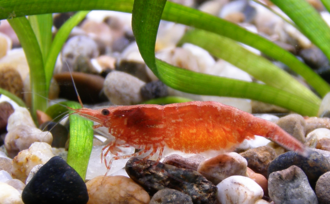
Cherry shrimp

Compatible
WMain risk: Water parameters Low risk

Ancistrus cirrhosus + Neocaridina davidi: cohabitation is usually viable if volume, parameters, groups and adult behavior are respected.
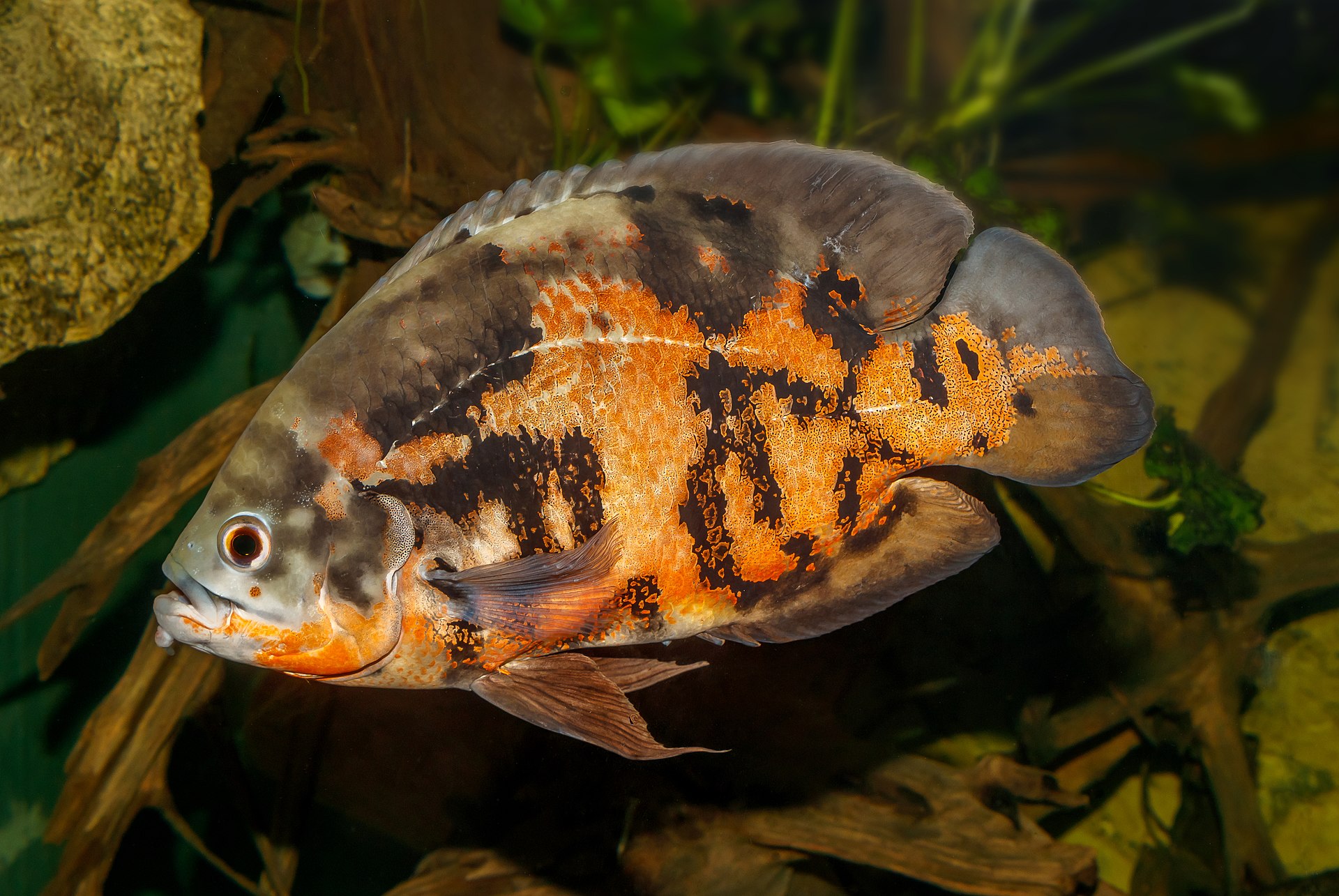
Oscar

Conditional
LMain risk: Adult space Review conditions

Astronotus ocellatus + Ancistrus cirrhosus: size difference, activity level or space pressure may cause stress, competition or insufficient usable room.

G

Goldfish

Conditional
LMain risk: Adult space Review conditions

Carassius auratus + Ancistrus cirrhosus: size difference, activity level or space pressure may cause stress, competition or insufficient usable room.

Care

Essential care

Include natural wood, caves and shaded areas. Keep good oxygenation and control waste, as its bioload is not negligible. Avoid overly small tanks or several males without territories.

Daily time
10 min
Life cycle

Breeding

It breeds in caves. The male guards and fans the eggs. With enough shelters it may breed in a community tank, although juveniles increase bioload.

Oviparous Easy

Machos con tentáculos en la cabeza; hembras mucho menos marcadas

Monitoring

Alerts and health

  • Madera natural
  • Refugios
  • Buena filtración

Common issues

Ich Hole in the head
Expert notes

Interesting details

01

Es una especie muy popular en acuariofilia

02

Se aprecia más cuando se mantiene correctamente

Editorial confidence

Last review: June 2026

Content based on parameters, ecological profiles and manual relationships.

Profile data Ecological profile Manual relationships General aquarium observation