Search fish, plants, corals...

Central American Rivers
Expert biome landing

Central American Rivers

Warm rivers with moderate current and rocky substrates typical of Central America.

Ecological identity

What makes this biome unique

Central American rivers combine warm, mineral-rich water and moderate current with robust species, livebearers and cichlids with clear character. This is a biome of adult space, hierarchy and open areas.

Its balance depends on not confusing hardiness with compatibility: many species tolerate broad parameters, but not necessarily territorial tankmates in small aquariums.
Example aquarium

Recommended base

Recommended volume
150 L+
Temperature
23 - 28 C
pH
7 - 8.2
Visual parameters

Key conditions

Temperature
23 - 28 C
pH
7 - 8.2
GH
8 - 18 GH
KH
5 - 14 KH
Flow
Medium
Lighting
Medium
Recommended setup

How to recreate it

Combine sand, gravel, rocks, strong roots and open space. Create visual barriers without filling the whole aquarium: fish need both shelter and room to move.

Best for

Aquarist profile

For aquarists who want active fish, strong colors and visible behavior without relying on soft water. It works well for planned livebearer communities or moderate cichlids with enough space.

Not recommended

Avoid it if...

Not suitable for nano tanks, delicate shrimp setups or mixes with slow vulnerable fish. It also fails when the aquarium cannot provide territories, visual cover and room for adult size.

Maintenance

Expected routine

Monitor nitrate and bioload, especially with breeding livebearers or larger cichlids. Filtration should move water efficiently without turning the aquarium into a torrent.

Example aquarium

Suggested composition

Example aquarium: 180-300 liters, sand with fine gravel, rounded rocks, tough roots and open swimming zones. Keep neutral to alkaline pH, strong filtration and stable tropical temperature.

Suggested species
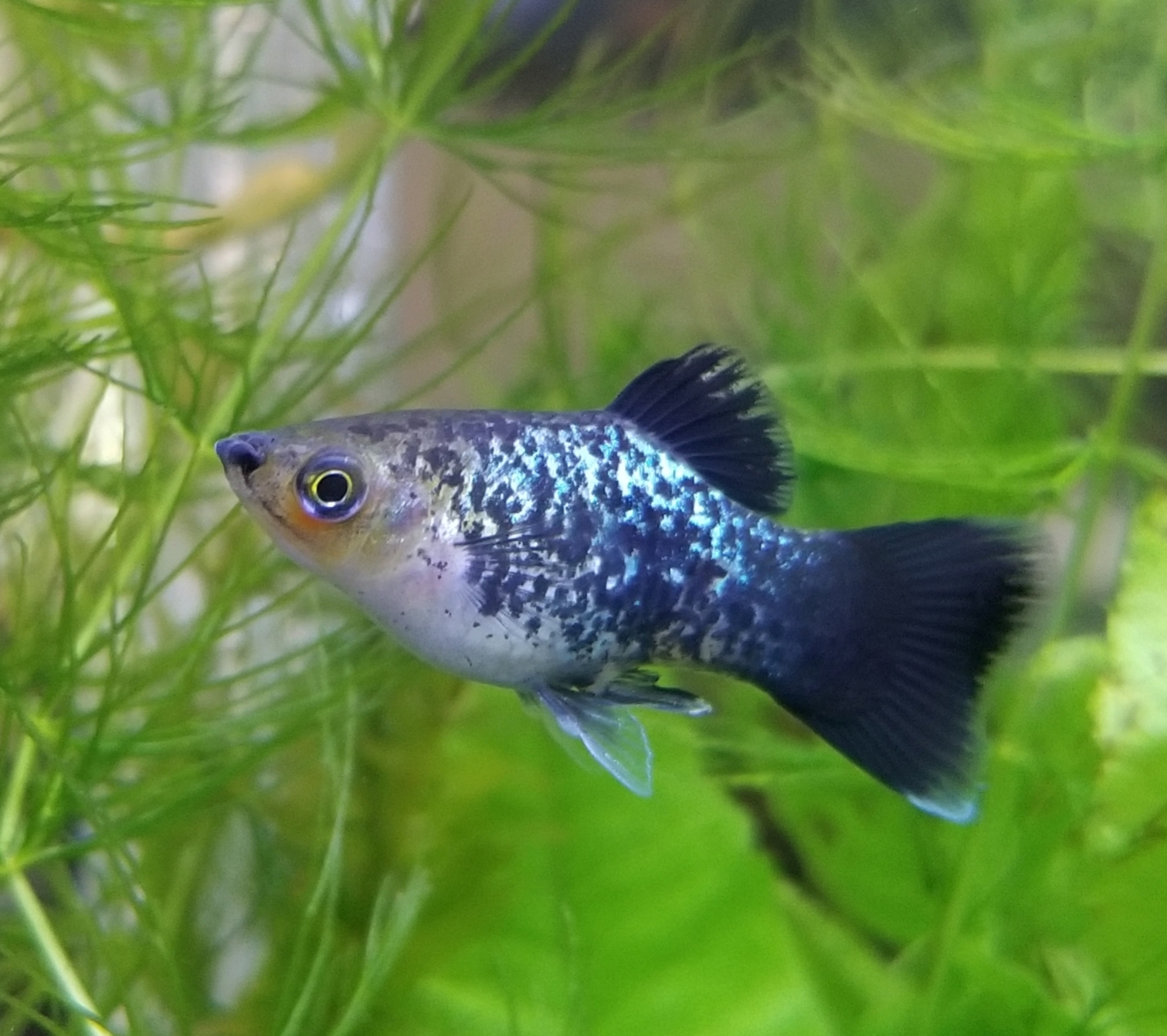
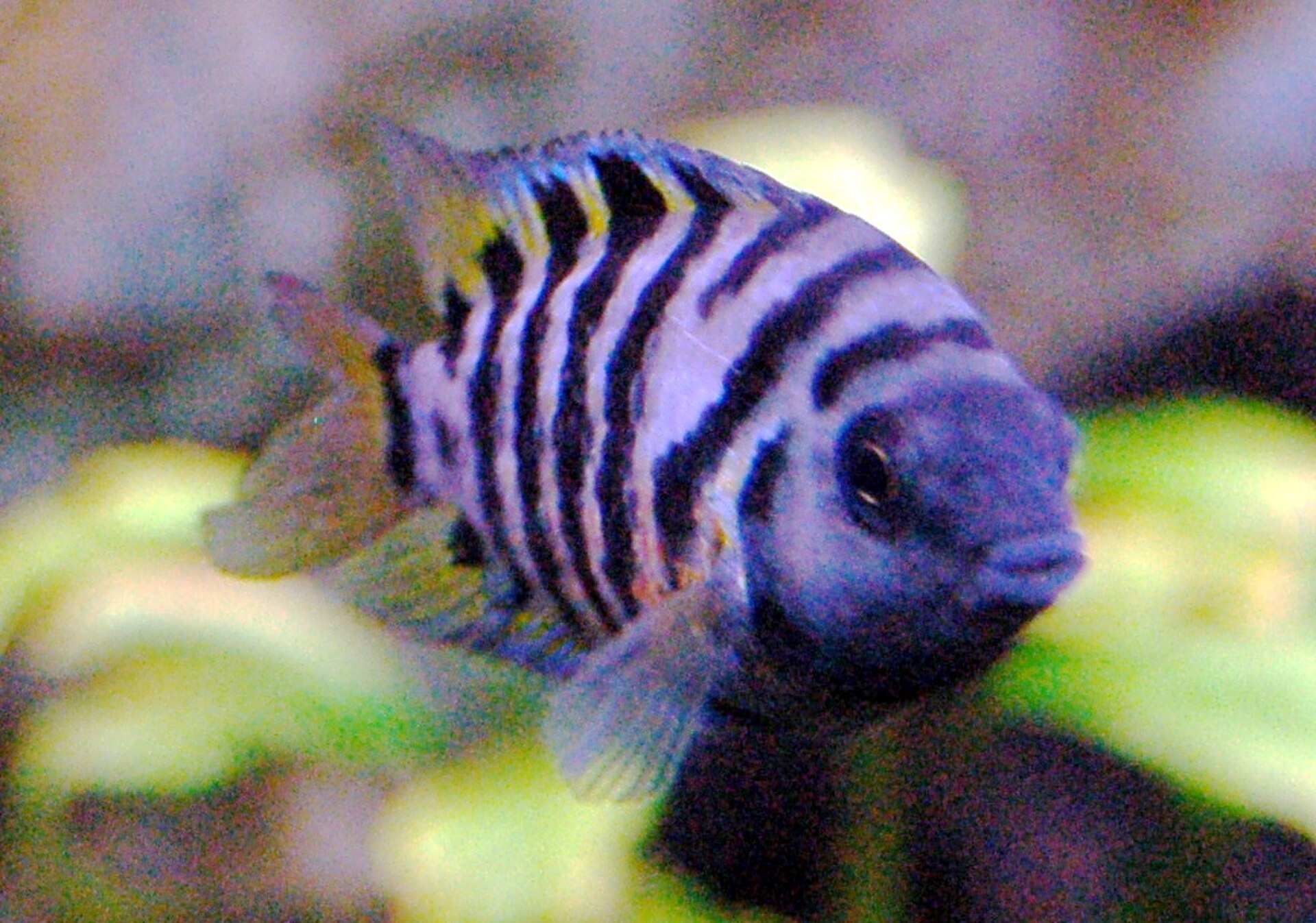
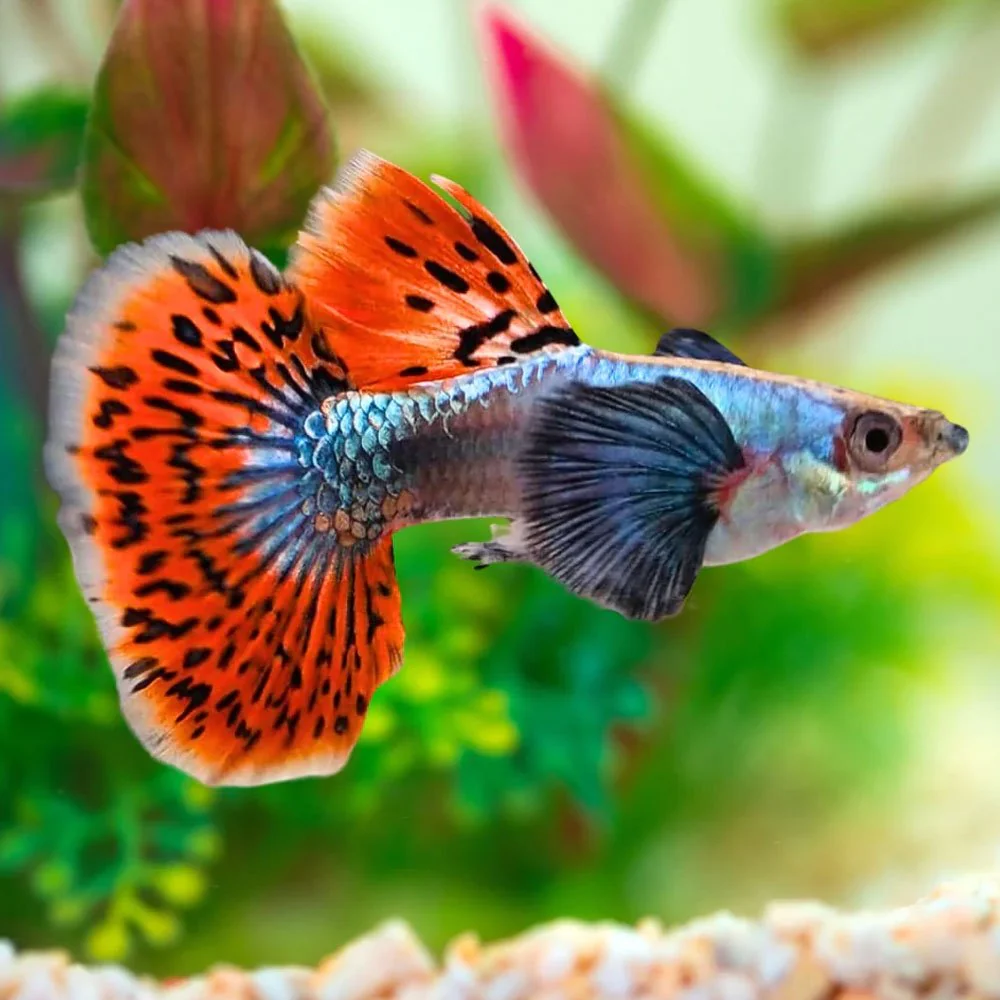
Guppy Platy Convict cichlid Swordtail Variatus platy Molly Sailfin molly Nerite snail
Recommended plants

Use tough or protected plants: Vallisneria, Sagittaria, Anubias and epiphytes attached to rock. With digging cichlids, prioritize hardscape and robust plants.

Common mistakes explained

What usually breaks this biome

  • Buying juveniles without planning for adults: many cichlids change strongly as they mature.
  • Mixing too many males: competition can escalate quickly.
  • Ignoring hardness: livebearers and Central American species usually perform better in mineralized water.

Check whether your species fit this biome

Check adult size, hardness and territoriality before mixing Central American livebearers and cichlids.

Open calculator