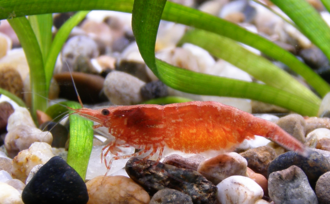
Best for
Aquariums where its role fits: invertebrate.
Neritina natalensis
Neritina natalensis is a very useful algae-eating snail in mature aquariums. It grazes algae from glass, rocks and decoration, but should not be added to tanks without available food or with unstable parameters.
It usually does not reproduce in freshwater, making it popular for algae control without population explosions.
Expert calculator
Analyze volume, parameters, behavior and relationships with other species.
A practical summary to quickly decide whether it fits your aquarium.
Best for
Aquariums where its role fits: invertebrate.
Avoid
Mixes marked as high risk or not recommended in manual relationships.
Compatible with
Has positive or conditional references with species such as Siamese Fighting Fish.
Typical risk
Stability depends on temperature, group size, and real compatibility.
Aquarium zone
Quick compatibility
Review these points before adding it to your aquarium. They are practical notes based on its profile, ecological data, and known relationships.
Make sure your aquarium is above 20 L before buying it.
Avoid keeping it at the edges of its temperature range for long periods.
Parameters
Growth and behavior
Ecological profile
Common mistakes
Keeping it in tanks below the recommended adult volume.
Keeping temperature at the edges of the range for long periods.
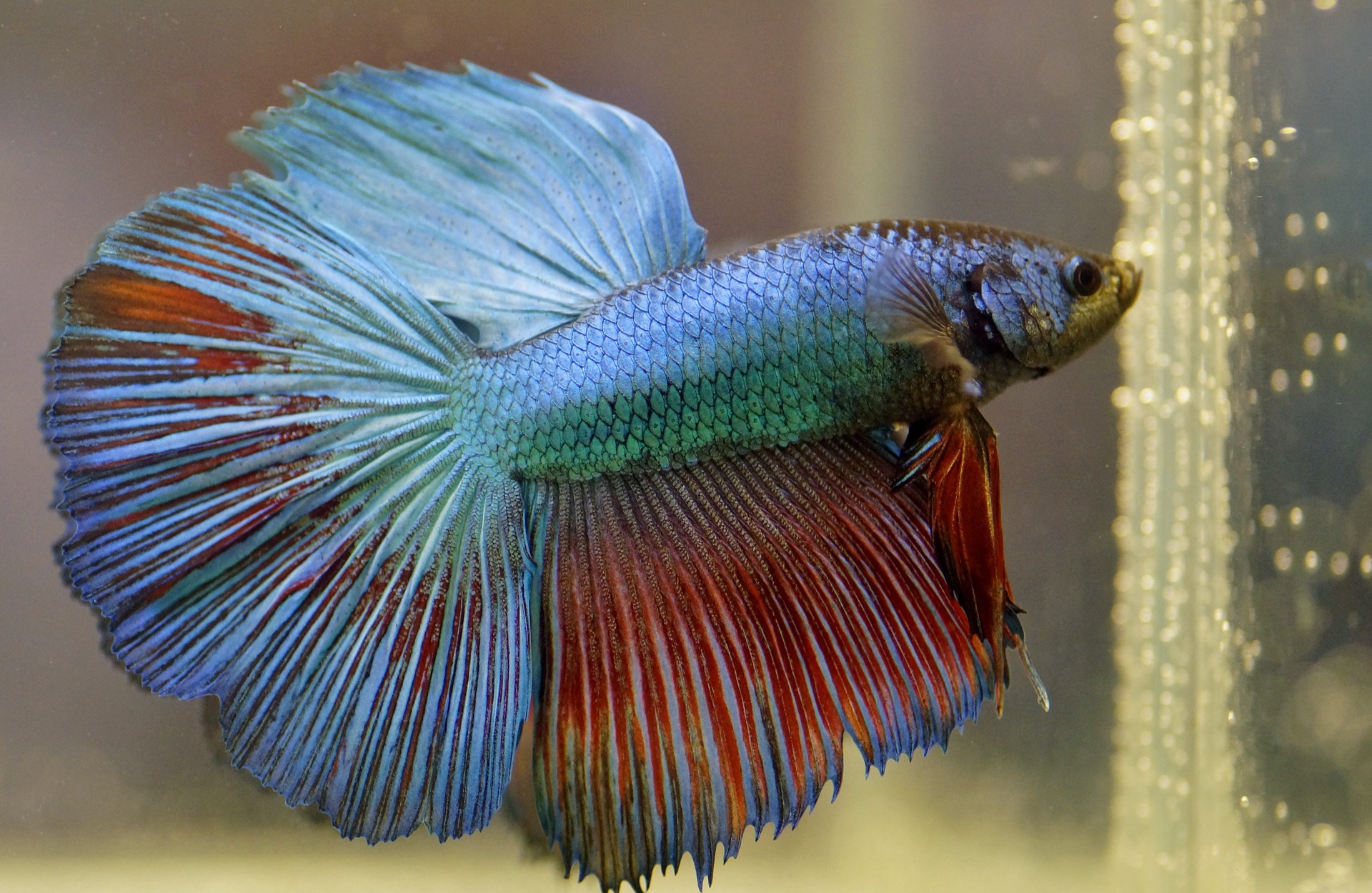
Betta splendens + Neritina natalensis: cohabitation is usually viable if volume, parameters, groups and adult behavior are respected.
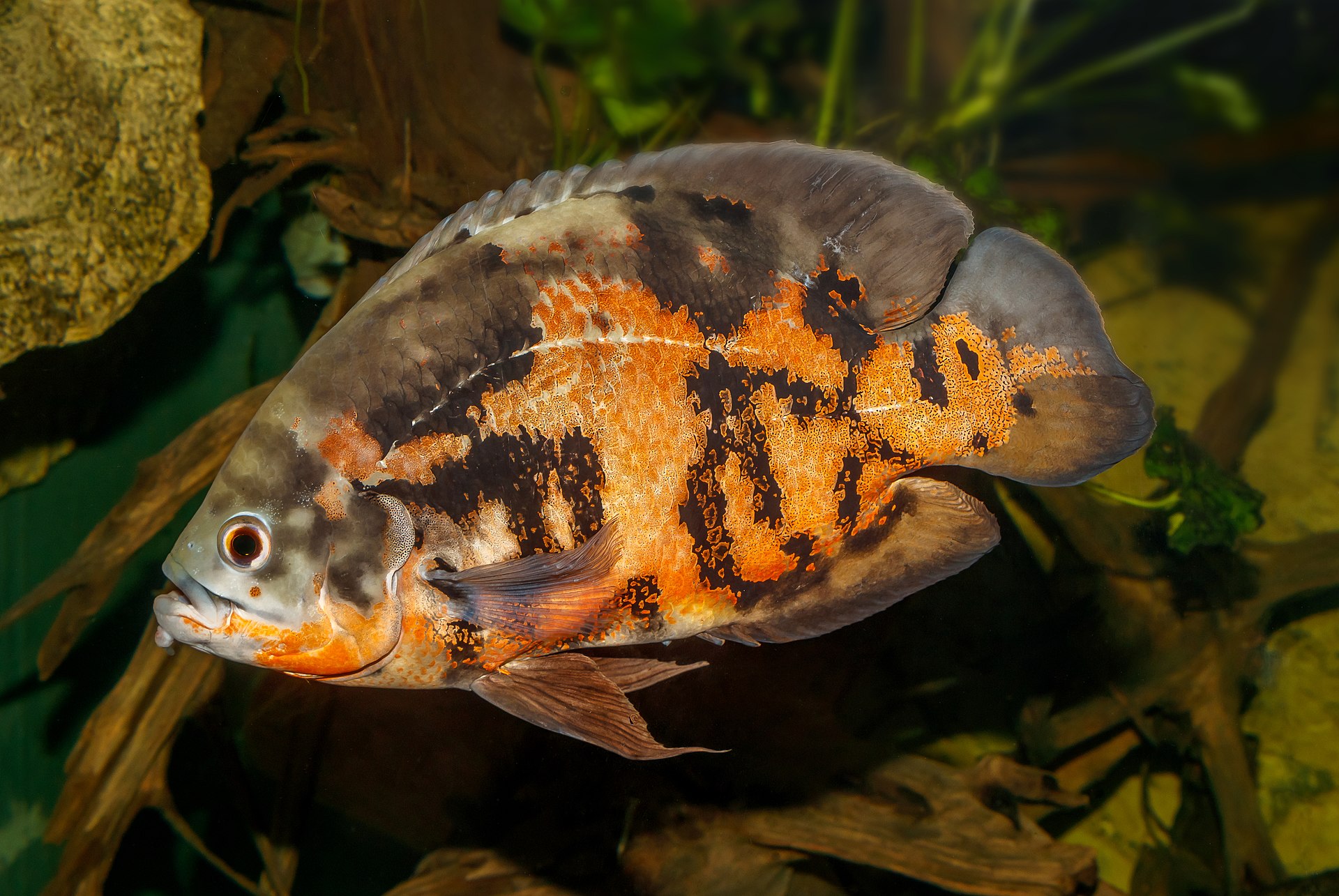
Astronotus ocellatus + Neritina natalensis: there is a predation risk due to size difference, mouth capacity or feeding behavior.
Brachygobius doriae + Neritina natalensis: one species requires or does better in brackish conditions, unlike a standard freshwater community.
Chromobotia macracanthus + Neritina natalensis: there is a predation risk due to size difference, mouth capacity or feeding behavior.
Carinotetraodon travancoricus + Neritina natalensis: there is a predation risk due to size difference, mouth capacity or feeding behavior.
It needs stable water, algae or biofilm surfaces and no copper. Avoid newly set up tanks. If it falls upside down, it should be righted to prevent stress or death.
It may lay hard white eggs on decoration, but larvae require brackish or marine conditions. In freshwater, viable offspring usually do not appear.
No presenta diferencias sexuales evidentes
Ayuda a consumir biofilm y restos
Es frecuente en acuarios de mantenimiento
Editorial confidence
Content based on parameters, ecological profiles and manual relationships.
Related species to keep comparing habitat, size, and behavior.