Best for
Aquariums where its role fits: community fish.
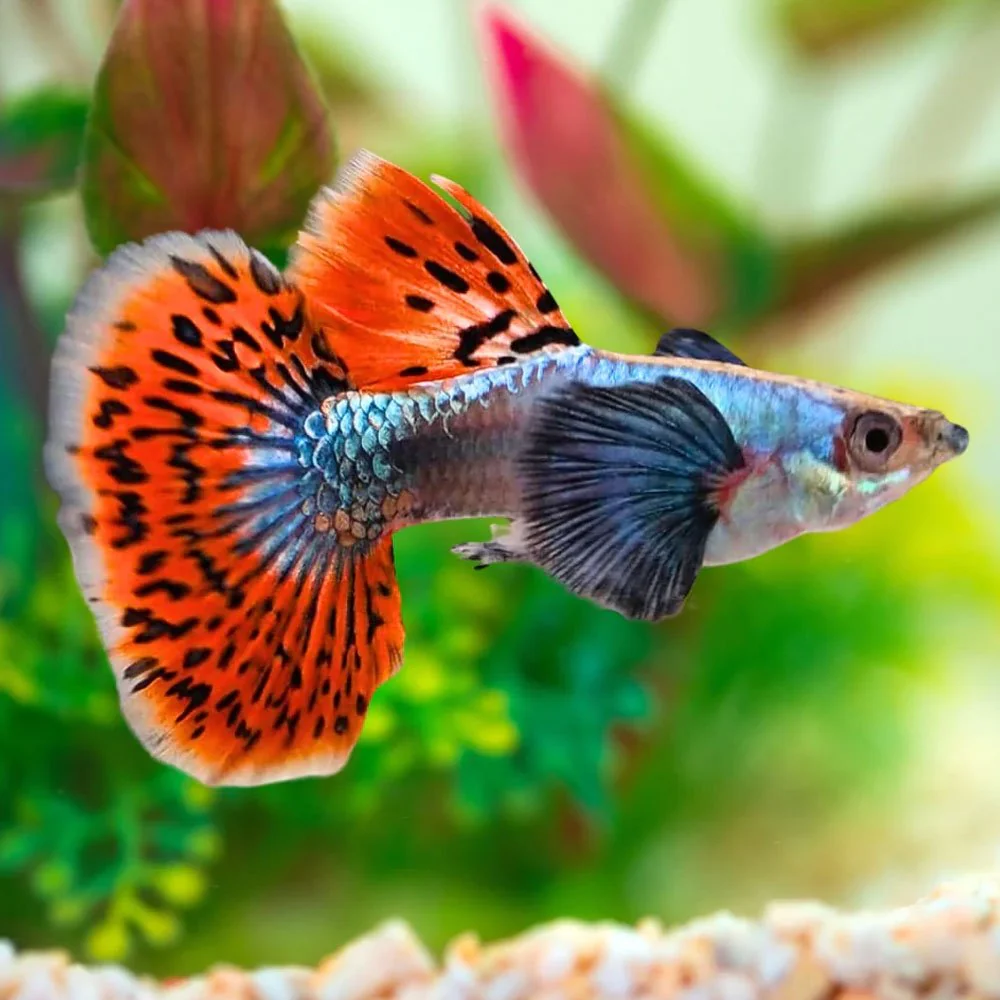
Poecilia Reticulata
The guppy is hardy and colorful, but it should not be treated as a fish without needs. It does best in medium to hard water, stable temperature, mature filtration and balanced groups. Its fast breeding can turn a good aquarium into an overcrowded one if not planned.
Long-finned males are attractive but vulnerable to fin nippers and territorial fish. Tankmate choice must consider activity, aggression and water hardness.
Expert calculator
Analyze volume, parameters, behavior and relationships with other species.
A practical summary to quickly decide whether it fits your aquarium.
Best for
Aquariums where its role fits: community fish.
Avoid
Mixes marked as high risk or not recommended in manual relationships.
Compatible with
Has positive or conditional references with species such as Platy.
Typical risk
Stability depends on temperature, group size, and real compatibility.
Aquarium zone
Quick compatibility
Review these points before adding it to your aquarium. They are practical notes based on its profile, ecological data, and known relationships.
Make sure your aquarium is above 20 L before buying it.
Do not keep it alone if it needs a group; plan space for the right number of individuals.
Avoid fin nippers or very nervous fish that may harass it.
Parameters
Growth and behavior
Ecological profile
Common mistakes
Keeping it in tanks below the recommended adult volume.
Keeping too few individuals for a social species.
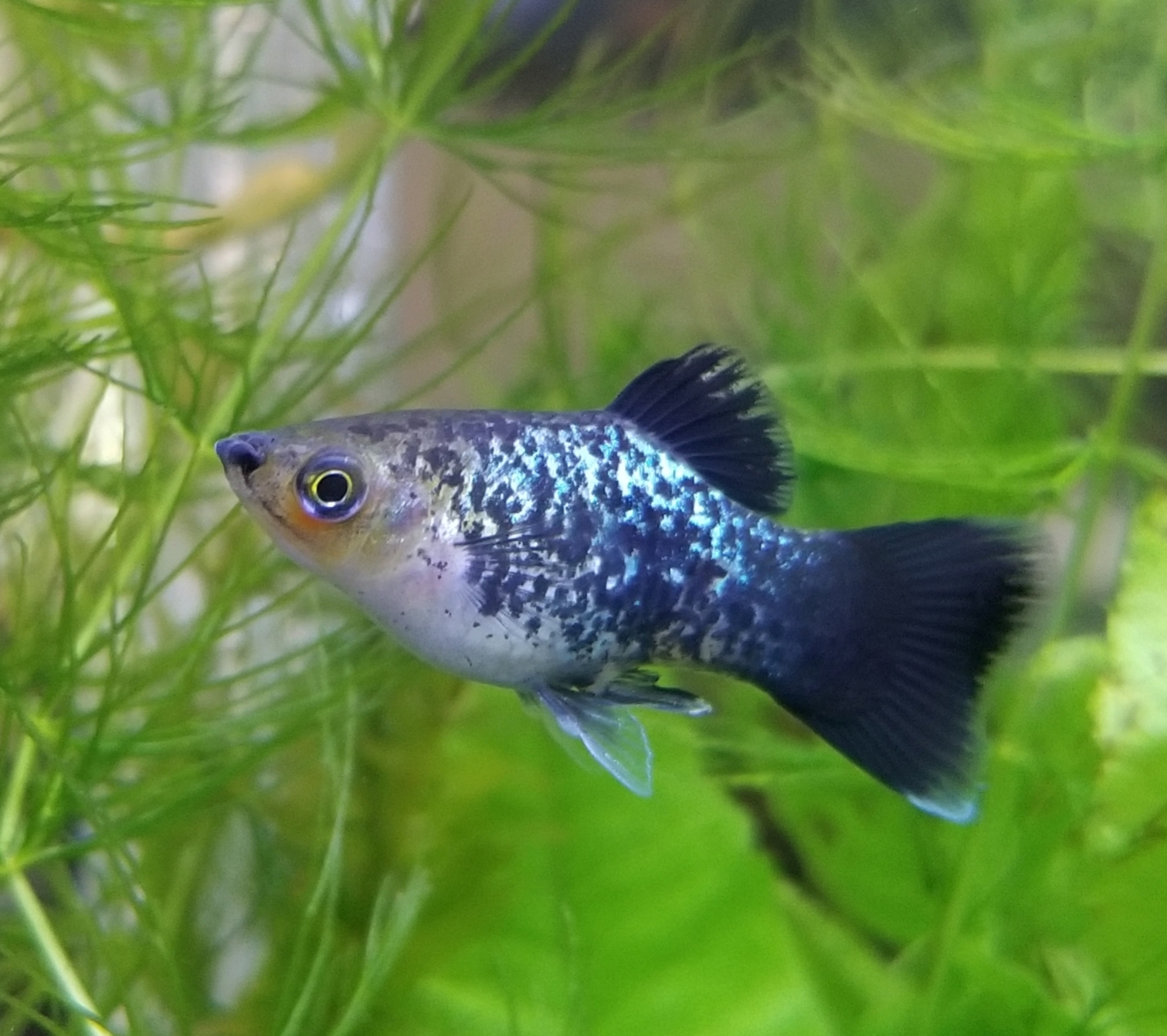
Poecilia Reticulata + Xiphophorus maculatus: cohabitation is usually viable if volume, parameters, groups and adult behavior are respected.
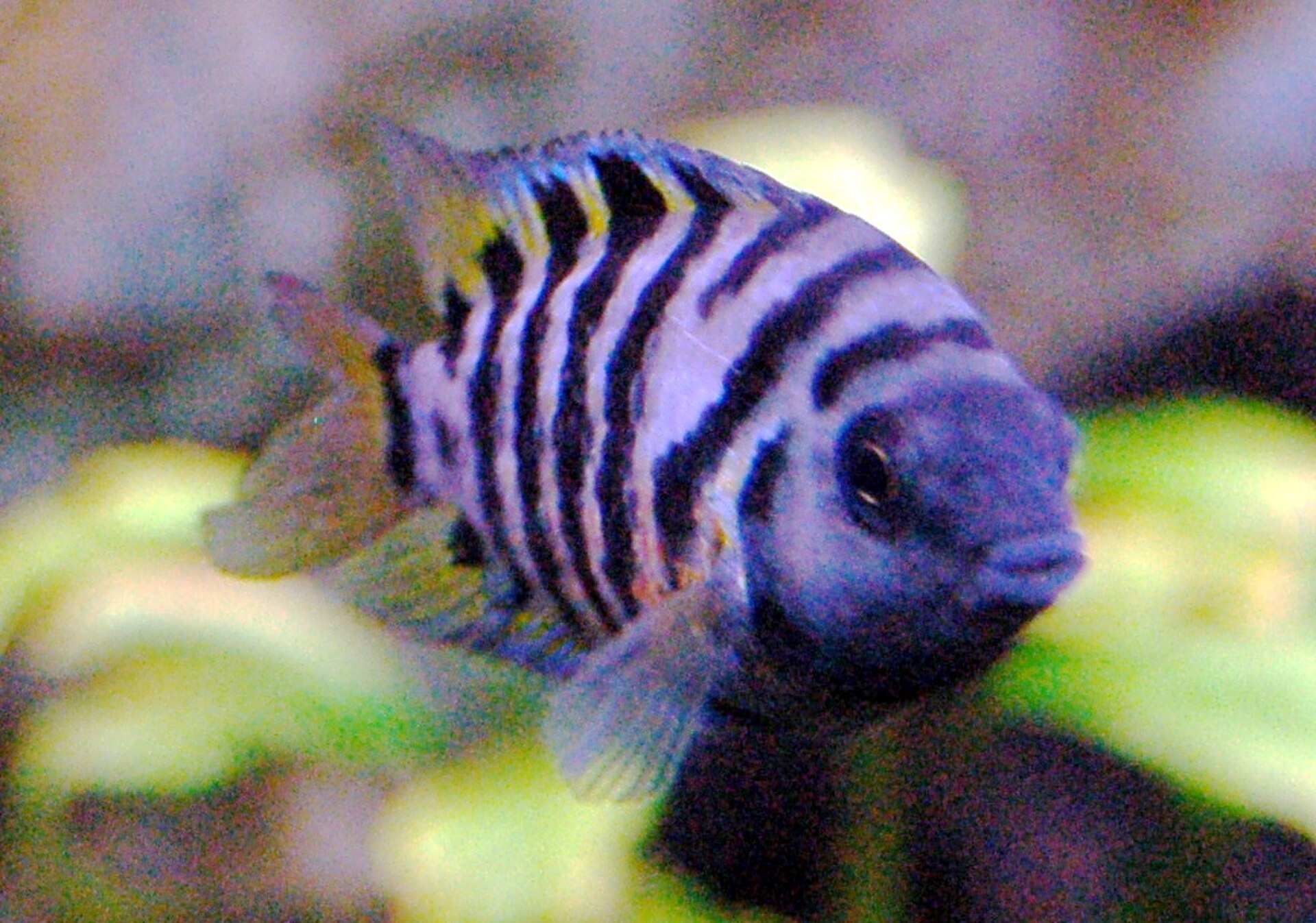
Poecilia Reticulata + Corydoras aeneus: cohabitation is usually viable if volume, parameters, groups and adult behavior are respected.
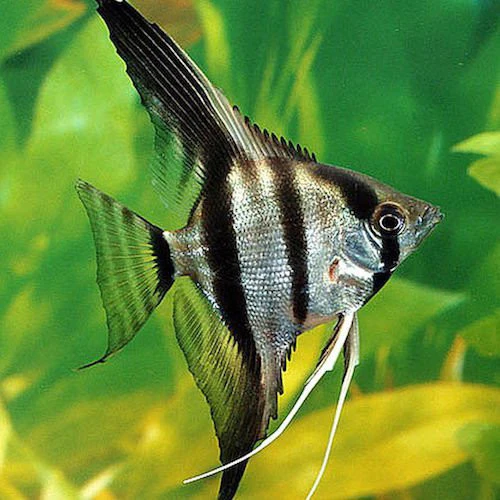
Pterophyllum scalare + Poecilia Reticulata: territoriality, dominance or competition for calm areas of the aquarium may occur.
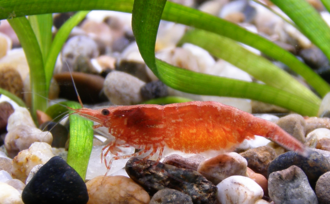
Poecilia Reticulata + Neocaridina davidi: shrimp, fry or small invertebrates may be at risk from curiosity, harassment or opportunistic predation.
Poecilia Reticulata + Paracheirodon axelrodi: water parameters are not fully compatible or only overlap within a limited range.
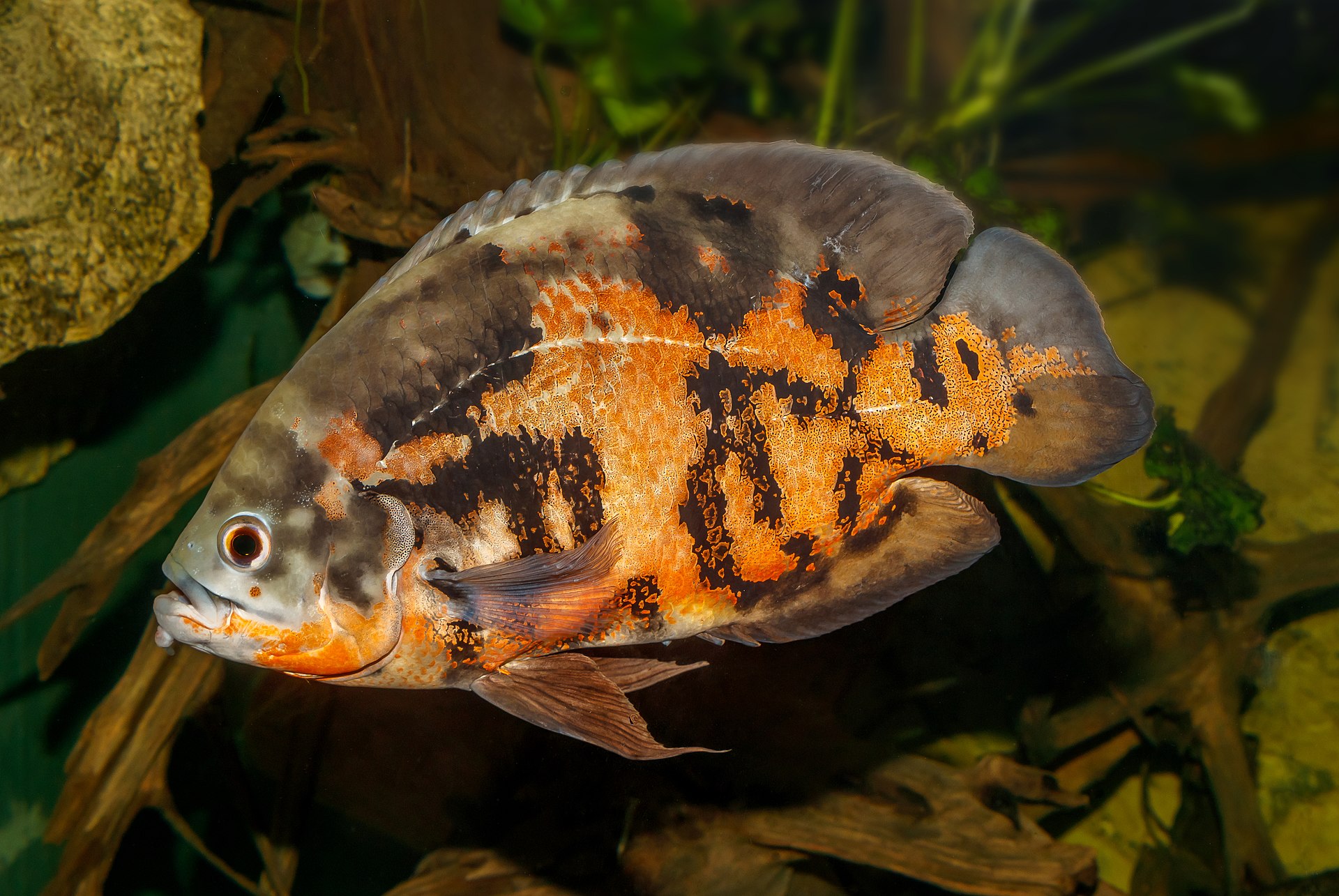
Astronotus ocellatus + Poecilia Reticulata: there is a predation risk due to size difference, mouth capacity or feeding behavior.
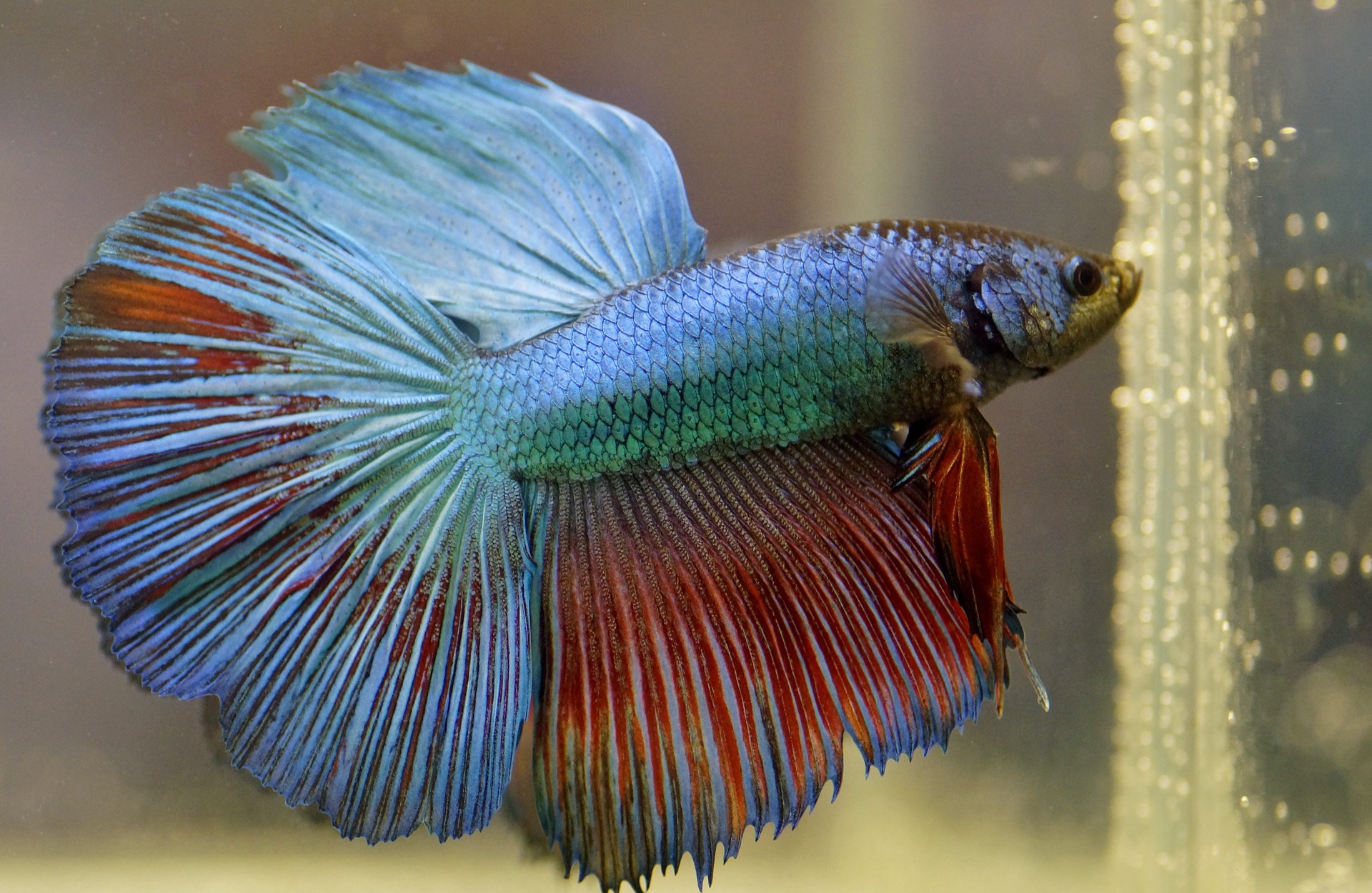
Betta splendens + Poecilia Reticulata: there is a risk of fin nipping, harassment or stress in slow, nervous or long-finned species.
Brachygobius doriae + Poecilia Reticulata: one species requires or does better in brackish conditions, unlike a standard freshwater community.
Carinotetraodon travancoricus + Poecilia Reticulata: there is a risk of fin nipping, harassment or stress in slow, nervous or long-finned species.
Carassius auratus + Poecilia Reticulata: this combines coldwater or temperate species with tropical species that need different temperatures.
Keep groups with more females than males if you want controlled breeding and less harassment. Avoid unstable soft water, ammonia spikes and tanks without fry cover. Filtration must handle population growth.
It is a livebearer and breeds very easily. Females may produce several broods after one mating. If overpopulation is not desired, separate sexes, manage rehoming or keep male-only groups in suitable tanks.
Las hembras pueden almacenar esperma y producir varias camadas sin volver a aparearse.
Es una de las especies más usadas en estudios de evolución, selección sexual y genética.
Ha sido introducida en muchos países para control de mosquitos, con impactos ecológicos variables sobre fauna nativa.
Existen cientos de variedades ornamentales seleccionadas por color, patrón y forma de cola.
Editorial confidence
Content based on parameters, ecological profiles and manual relationships.
Related species to keep comparing habitat, size, and behavior.