Best for
Aquariums where its role fits: schooling midwater.
Puntigrus tetrazona
The tiger barb is active, colorful and highly social, but its energy can become harassment if the group is too small or tankmates are slow. Its main risk is fin nipping.
It works best in large schools, aquariums with swimming space and robust tankmates without long fins.
Expert calculator
Analyze volume, parameters, behavior and relationships with other species.
A practical summary to quickly decide whether it fits your aquarium.
Best for
Aquariums where its role fits: schooling midwater.
Avoid
Mixes marked as high risk or not recommended in manual relationships.
Compatible with
Has positive or conditional references with species such as Zebra danio.
Typical risk
Stability depends on temperature, group size, and real compatibility.
Aquarium zone
Quick compatibility
Review these points before adding it to your aquarium. They are practical notes based on its profile, ecological data, and known relationships.
Make sure your aquarium is above 80 L before buying it.
Do not keep it alone if it needs a group; plan space for the right number of individuals.
Prepare visual cover and calm areas if it will live with other species.
Parameters
Growth and behavior
Ecological profile
Common mistakes
Keeping it in tanks below the recommended adult volume.
Keeping too few individuals for a social species.
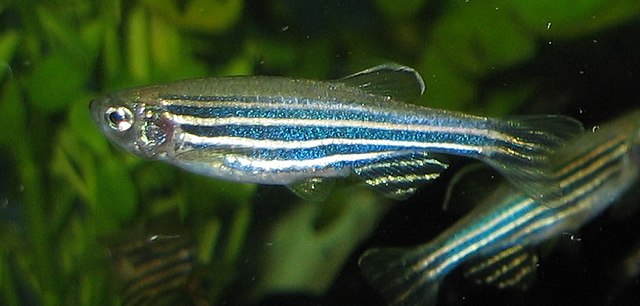
Puntigrus tetrazona + Danio rerio: compatibility depends strongly on group size and keeping social species in adequate numbers.
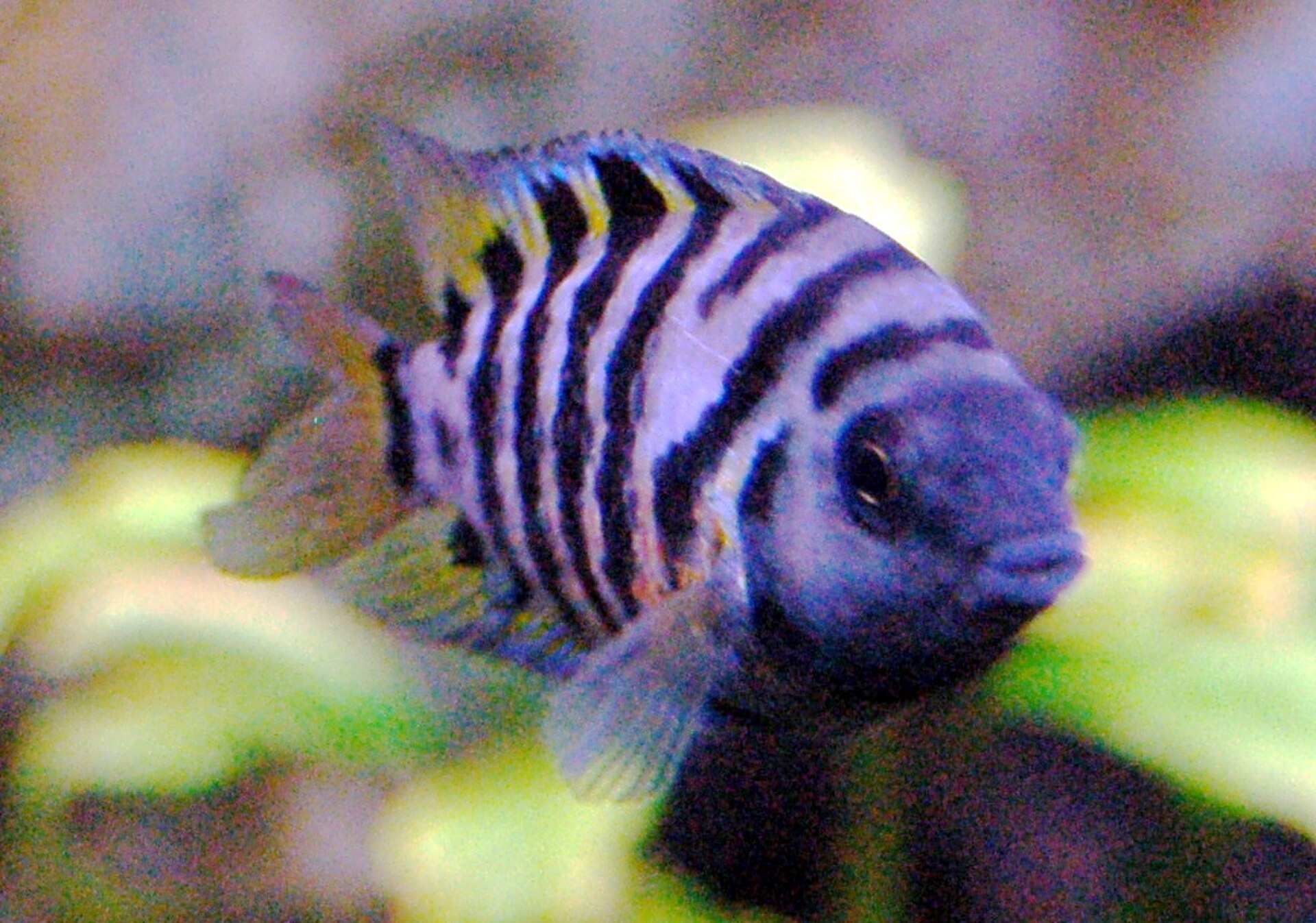
Puntigrus tetrazona + Corydoras aeneus: cohabitation is usually viable if volume, parameters, groups and adult behavior are respected.
Puntigrus tetrazona + Paracheirodon axelrodi: there is a risk of fin nipping, harassment or stress in slow, nervous or long-finned species.
Puntigrus tetrazona + Pangio kuhlii: cohabitation is usually viable if volume, parameters, groups and adult behavior are respected.
Puntigrus tetrazona + Paracheirodon innesi: there is a risk of fin nipping, harassment or stress in slow, nervous or long-finned species.
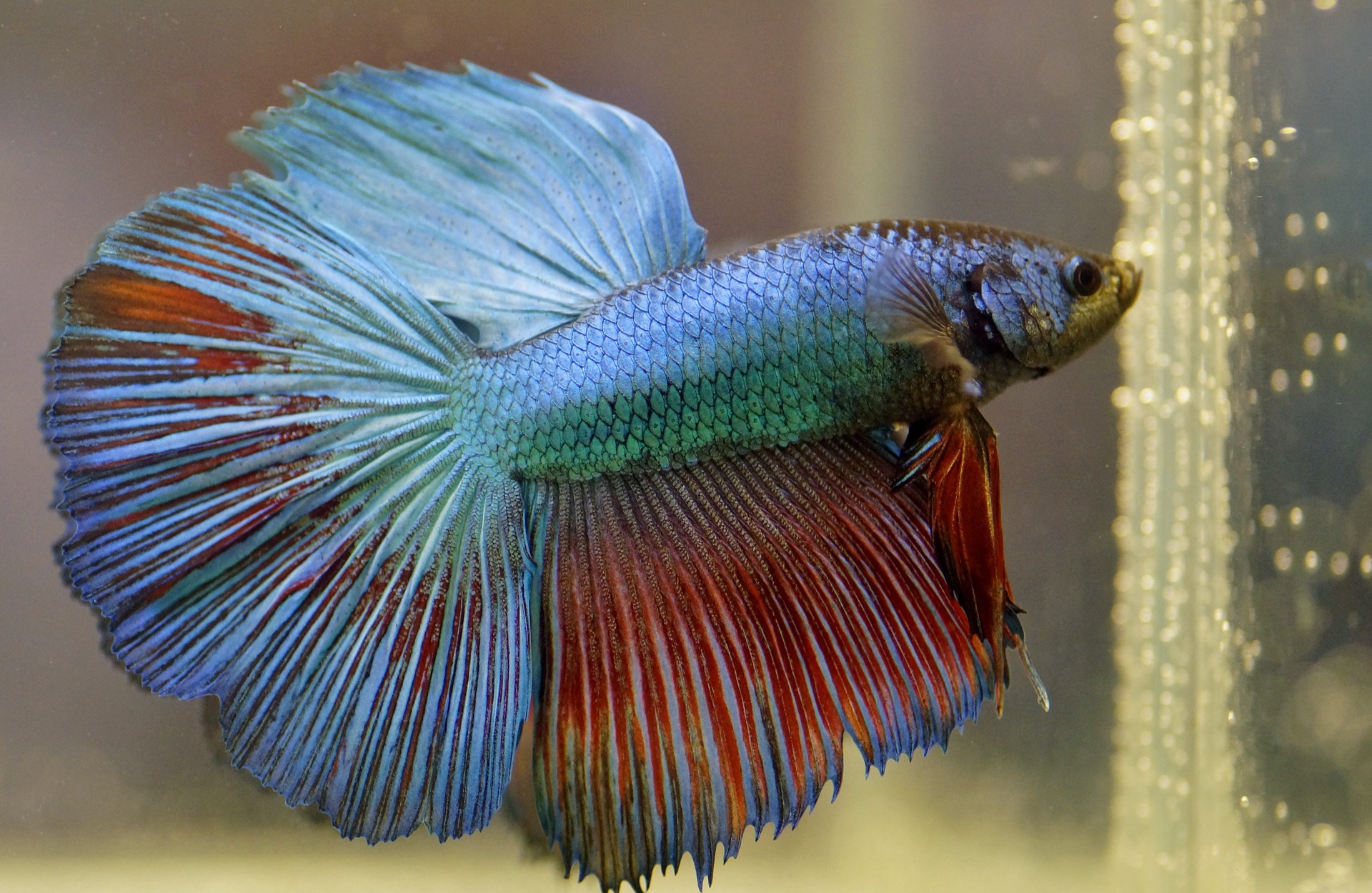
Betta splendens + Puntigrus tetrazona: there is a risk of fin nipping, harassment or stress in slow, nervous or long-finned species.
Puntigrus tetrazona + Carinotetraodon travancoricus: territoriality, dominance or competition for calm areas of the aquarium may occur.
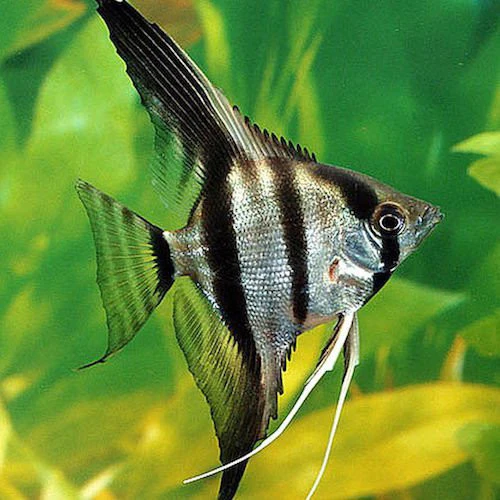
Puntigrus tetrazona + Pterophyllum scalare: there is a risk of fin nipping, harassment or stress in slow, nervous or long-finned species.
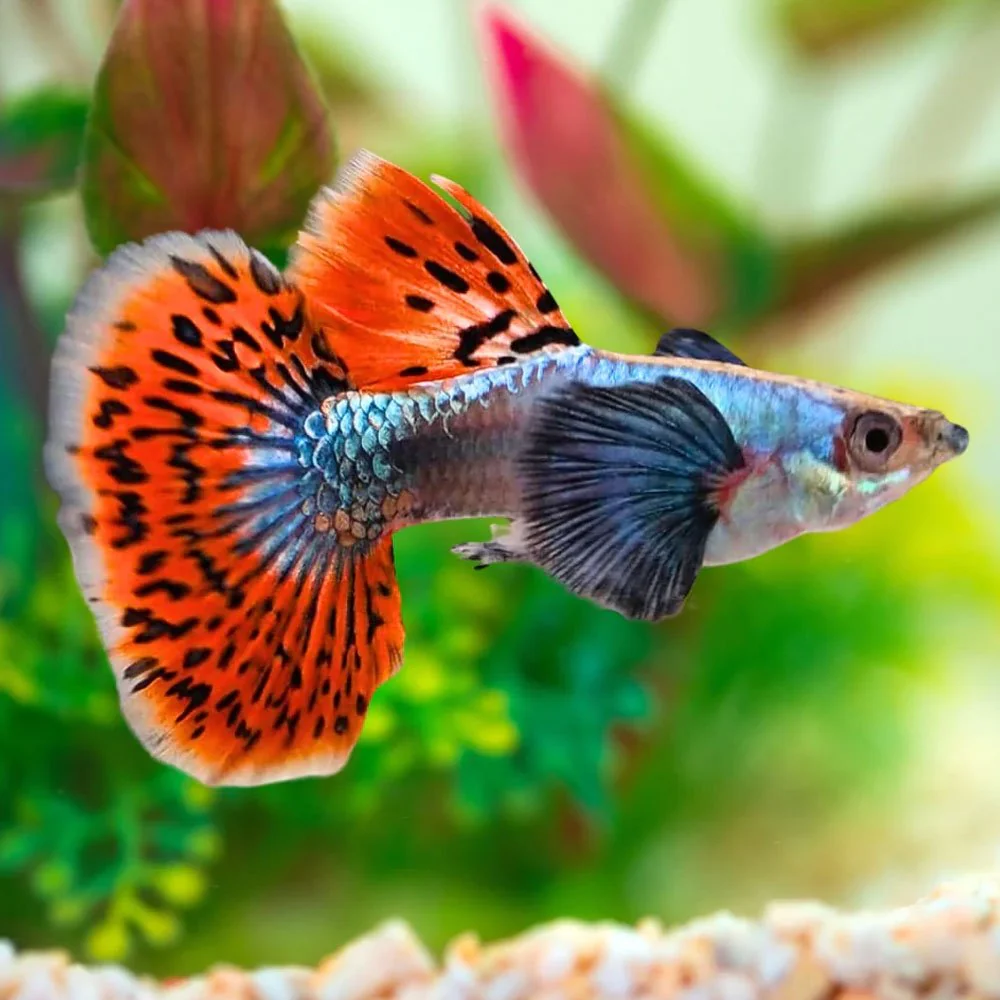
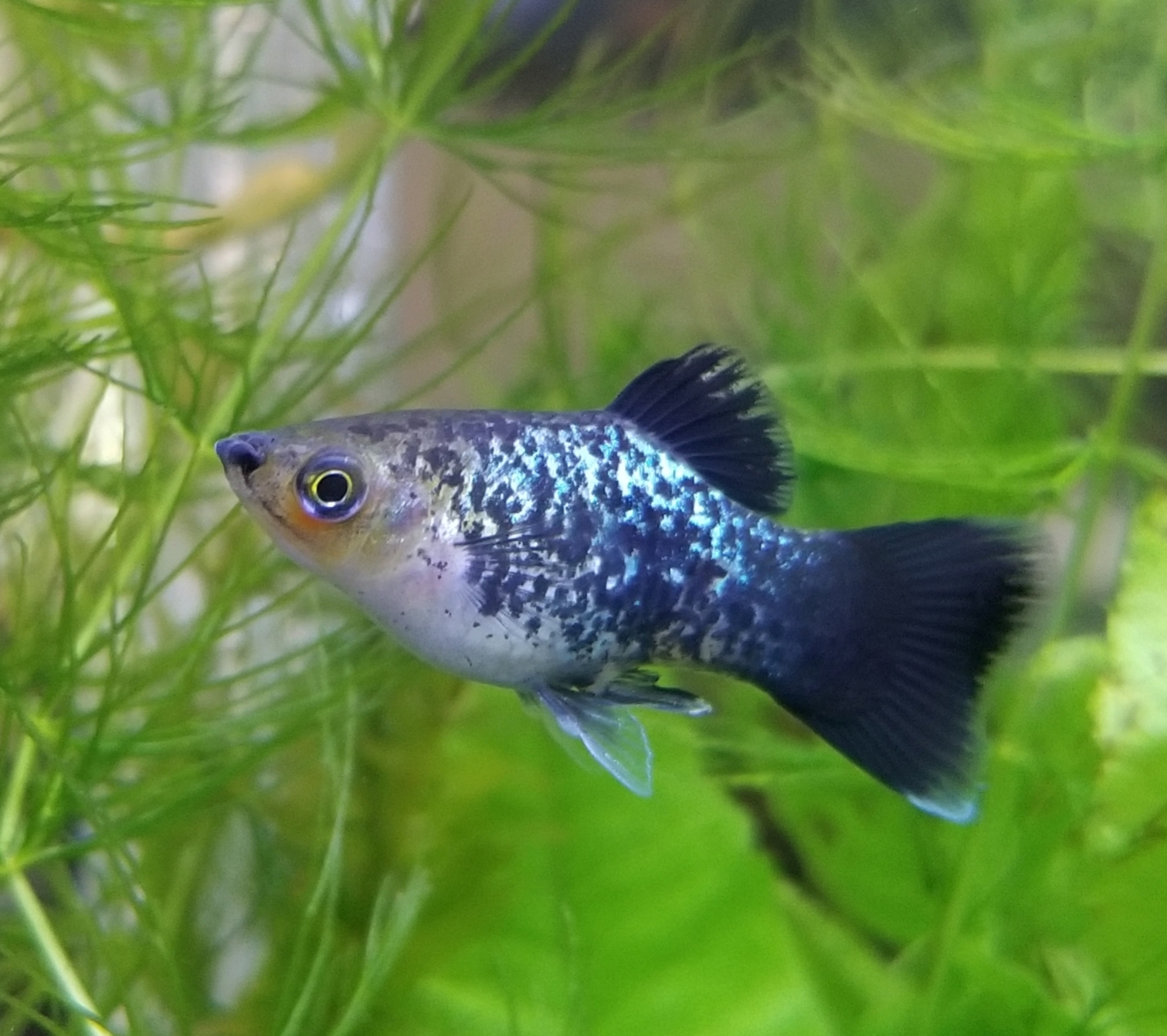
Puntigrus tetrazona + Poecilia Reticulata: there is a risk of fin nipping, harassment or stress in slow, nervous or long-finned species.
Symphysodon aequifasciatus + Puntigrus tetrazona: there is a risk of fin nipping, harassment or stress in slow, nervous or long-finned species.
Keep a large group to spread intraspecific aggression. Avoid bettas, long-finned guppies, angelfish and delicate gouramis. Provide moderate current and open areas.
It is an egg scatterer and adults may eat the eggs. A dedicated tank with fine plants or spawning mops and adult removal is required.
Machos algo más esbeltos; hembras más robustas
Es una especie muy popular en acuariofilia
Se aprecia más cuando se mantiene correctamente
Editorial confidence
Content based on parameters, ecological profiles and manual relationships.
Related species to keep comparing habitat, size, and behavior.