Best for
Aquariums where its role fits: predator.
Carinotetraodon travancoricus
Expert calculator
Analyze volume, parameters, behavior and relationships with other species.
A practical summary to quickly decide whether it fits your aquarium.
Best for
Aquariums where its role fits: predator.
Avoid
Mixes marked as high risk or not recommended in manual relationships.
Compatible with
Has positive or conditional references with species such as Zebra danio.
Typical risk
Stability depends on temperature, group size, and real compatibility.
Aquarium zone
Quick compatibility
Review these points before adding it to your aquarium. They are practical notes based on its profile, ecological data, and known relationships.
Make sure your aquarium is above 40 L before buying it.
Do not keep it alone if it needs a group; plan space for the right number of individuals.
Prepare visual cover and calm areas if it will live with other species.
Do not mix it with fish or invertebrates that may fit in its adult mouth.
Parameters
Growth and behavior
Ecological profile
Common mistakes
Keeping it in tanks below the recommended adult volume.
Keeping too few individuals for a social species.
Mixing it with species small enough to become prey.
Designing the aquarium without shelter or visual barriers.
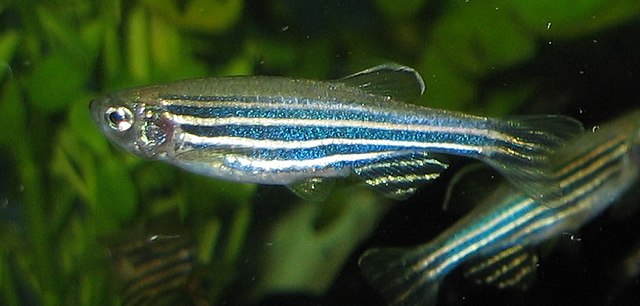
Carinotetraodon travancoricus + Danio rerio: territoriality, dominance or competition for calm areas of the aquarium may occur.
Carinotetraodon travancoricus + Corydoras aeneus: territoriality, dominance or competition for calm areas of the aquarium may occur.
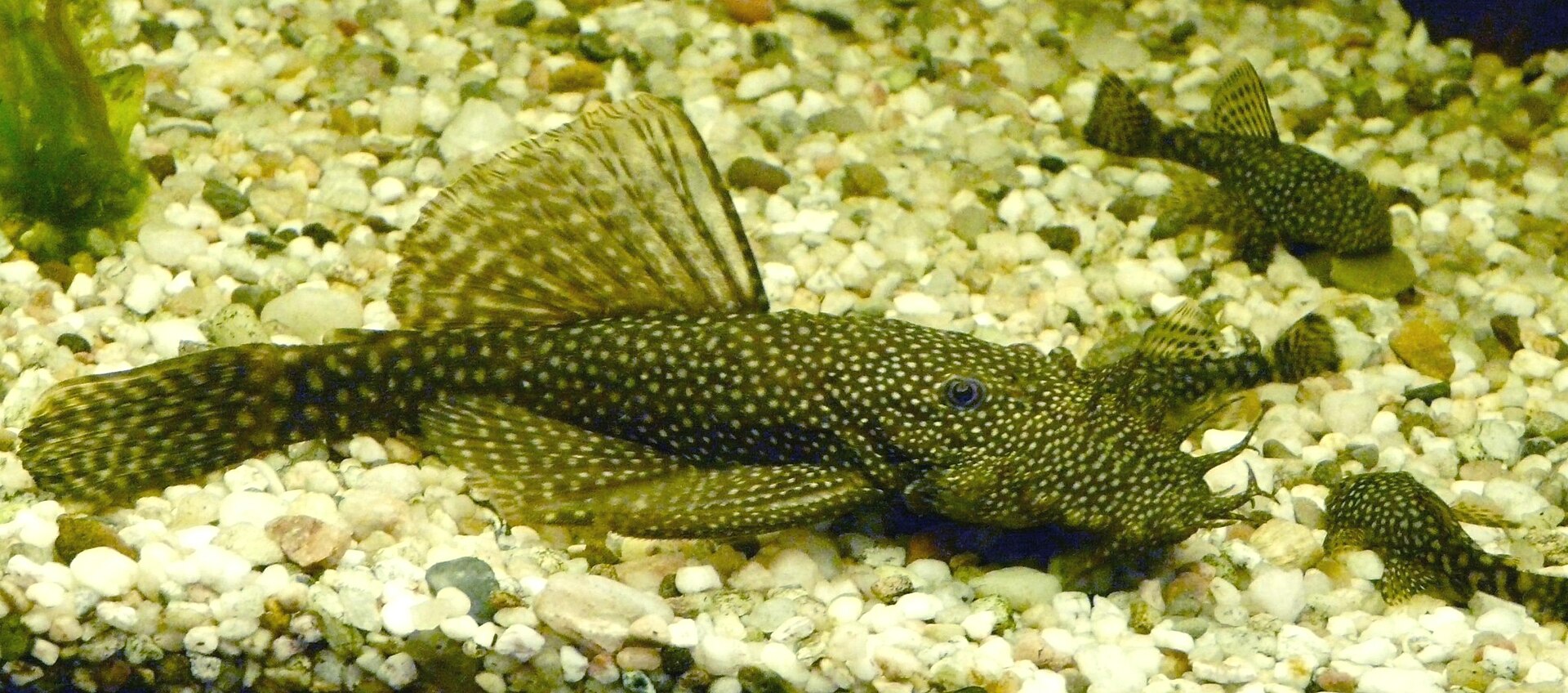
Carinotetraodon travancoricus + Pangio kuhlii: territoriality, dominance or competition for calm areas of the aquarium may occur.
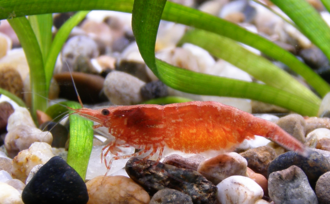
Carinotetraodon travancoricus + Neocaridina davidi: shrimp, fry or small invertebrates may be at risk from curiosity, harassment or opportunistic predation.
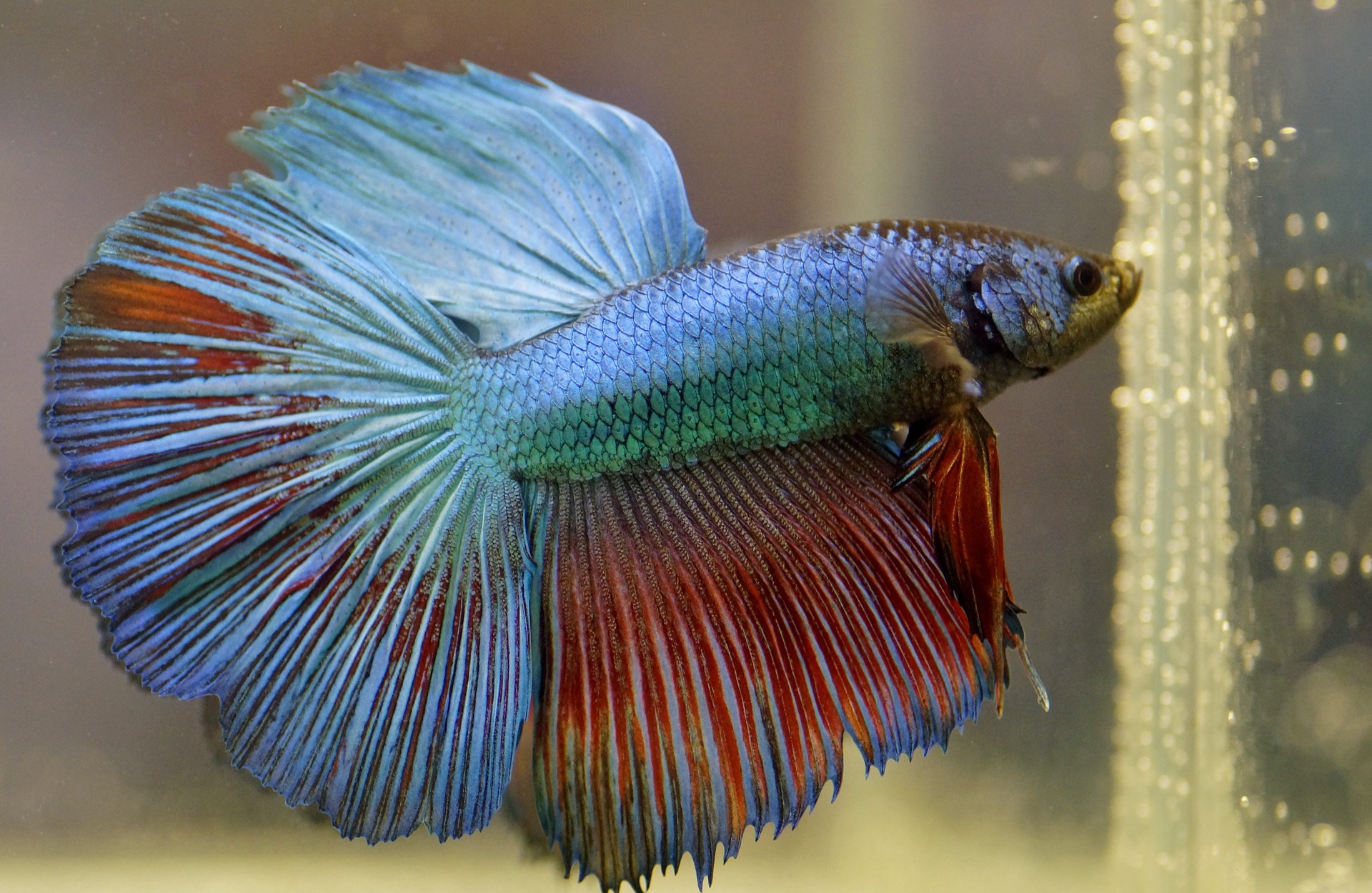
Betta splendens + Carinotetraodon travancoricus: there is a risk of fin nipping, harassment or stress in slow, nervous or long-finned species.
Puntigrus tetrazona + Carinotetraodon travancoricus: territoriality, dominance or competition for calm areas of the aquarium may occur.
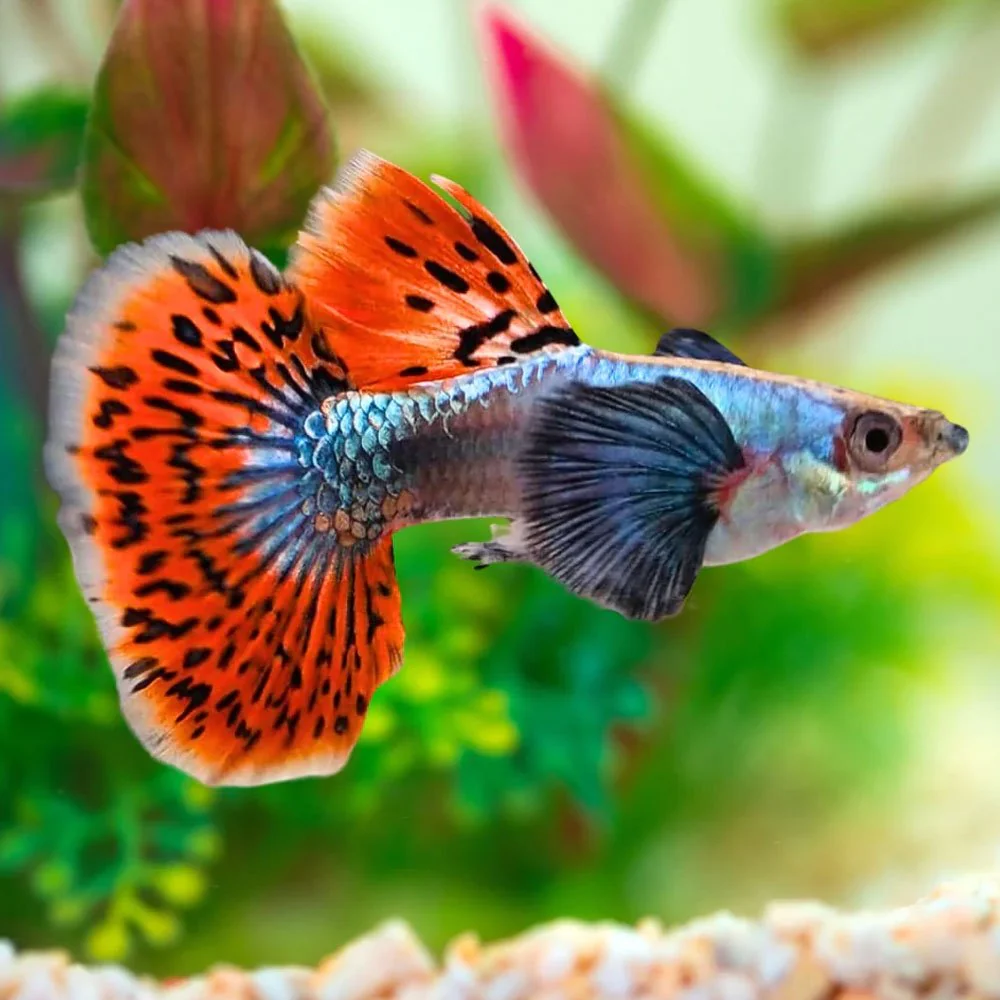
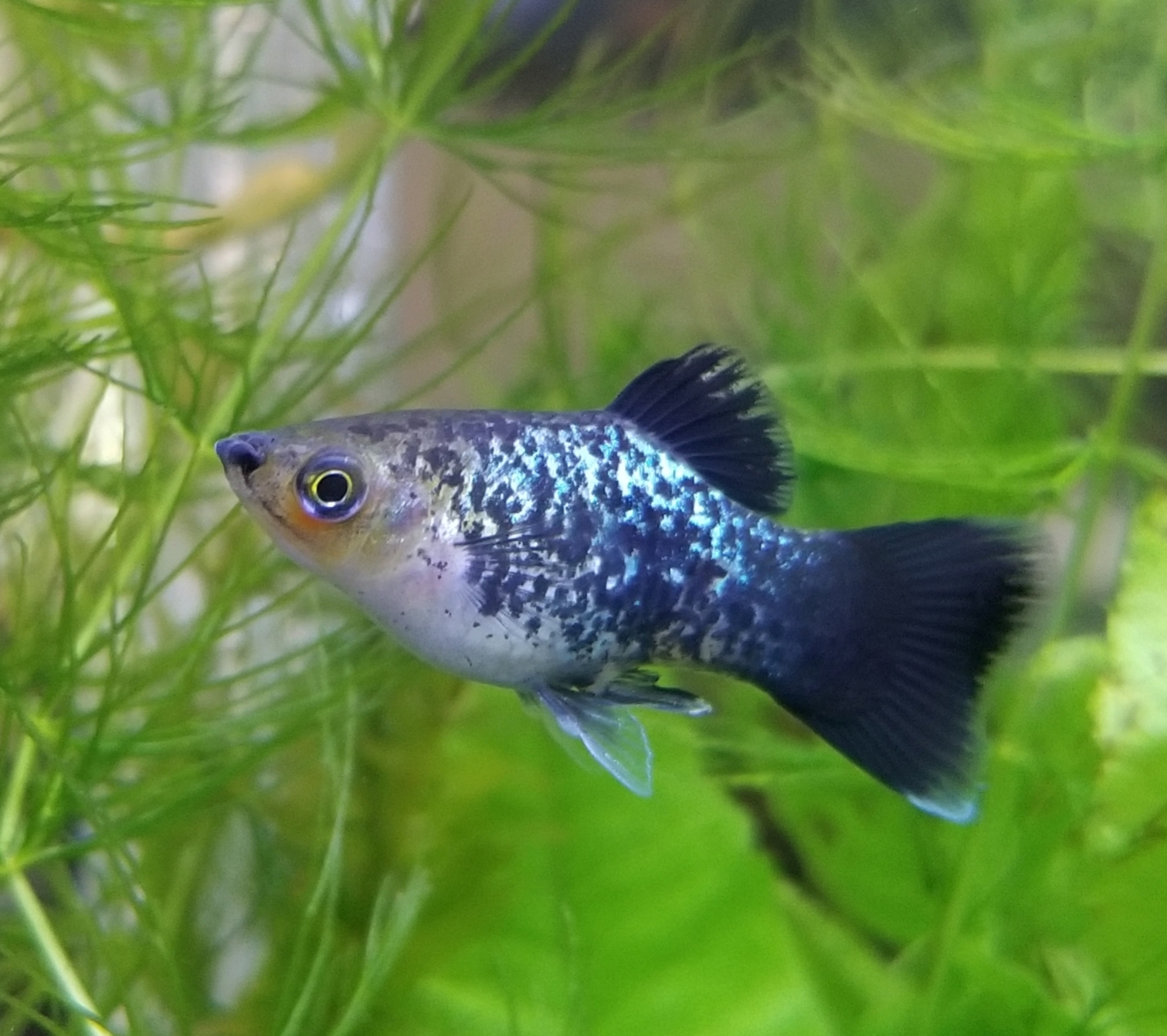
Carinotetraodon travancoricus + Poecilia Reticulata: there is a risk of fin nipping, harassment or stress in slow, nervous or long-finned species.
Carinotetraodon travancoricus + Caridina japonica: shrimp, fry or small invertebrates may be at risk from curiosity, harassment or opportunistic predation.
Hembras más redondeadas y robustas. Machos más esbeltos y algo más amarillentos.
Es una de las especies más usadas en investigación biomédica
Sus rayas permanecen visibles durante toda la vida
Es un pez muy activo y gregario
Editorial confidence
Content based on parameters, ecological profiles and manual relationships.
Related species to keep comparing habitat, size, and behavior.