Search fish, plants, corals...

C
Fish · Freshwater

Clown loach

Chromobotia macracanthus

Clown loach is a very popular aquarium species suitable for well maintained home aquariums.
D
Difficulty
Intermediate
A
Aggression
5/10
G
Schooling
Yes
T
Size
30.00 cm
L
Minimum volume
300 L
º
Temperature
25.0-30.0 ºC
Z
Zone
Bottom
V
Lifespan
12 years

Quick profile scan

fish
Territoriality Medium
Aggression 5/10
Activity Fast
Thermal sensitivity Medium
Bioload High
Speed Fast
Predation risk Opportunistic

Expert calculator

Check whether this species fits your aquarium

Analyze volume, parameters, behavior and relationships with other species.

Check compatibility
Expert read

Quick verdict

A practical summary to quickly decide whether it fits your aquarium.

Best for

Aquariums where its role fits: bottom cleaner.

Avoid

Mixes marked as high risk or not recommended in manual relationships.

Compatible with

Has positive or conditional references with species such as Angelfish.

Typical risk

Bioload and adult volume should be planned with margin.

Aquarium zone

Where it lives best

Surface
Midwater
Bottom primary

Quick compatibility

Community signals

Shrimp
Not recommended
Snails
High risk
Slow fish
Compatible
Aggressive fish
Conditional
Small fish
Conditional
Large fish
Conditional
Delicate plants
Conditional
Buying decision

Before buying Clown loach

Review these points before adding it to your aquarium. They are practical notes based on its profile, ecological data, and known relationships.

L

Adult volume

Make sure your aquarium is above 300 L before buying it.

G

Minimum group

Do not keep it alone if it needs a group; plan space for the right number of individuals.

B

Bioload

Plan filtration, water changes, and total stocking: this species can heavily load the system.

Parameters

Water conditions

pH
6.0 - 7.5
GH
3 - 12
KH
1 - 6
Temperature
25.0 - 30.0 ºC

Growth and behavior

Juvenile to adult

Juvenile
As a juvenile it feels safer in a group and usually uses the bottom with coordinated movement. An insufficient group can increase stress and erratic behavior.
Shift
The most important adult change is increased spatial and biological pressure, so the aquarium should be planned for the long term.
Adult
As an adult it keeps a strong social pattern and is more stable in adequate groups. In balanced communities it usually occupies the bottom without causing major conflict.

Ecological profile

Role and biological pressure

Bottom Cleaner Bottom Cleaner Large High Moderate Opportunistic
Profile: bottom-dwelling species, with high bioload and primary use of the bottom. It should be kept in a group to show stable behavior and reduce stress. It may show opportunistic predation toward fry or very small animals.

Ecological radar

profile
Territoriality 52%
Aggression 50%
Activity 78%
Thermal sensitivity 52%
Bioload 78%

Common mistakes

What to avoid

Keeping it in tanks below the recommended adult volume.

Keeping too few individuals for a social species.
Relations

Compatible with

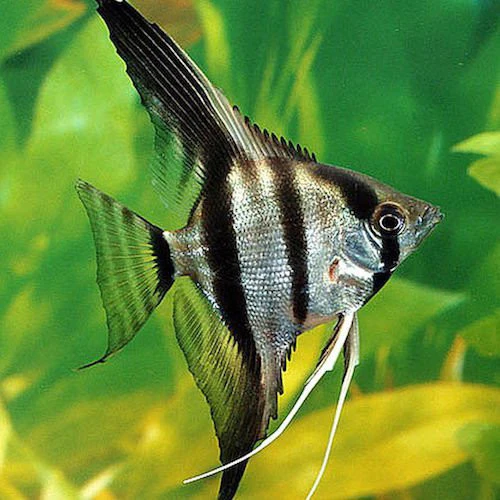
Angelfish

Conditional
WMain risk: Water parameters Review conditions

Chromobotia macracanthus + Pterophyllum scalare: size difference, activity level or space pressure may cause stress, competition or insufficient usable room.
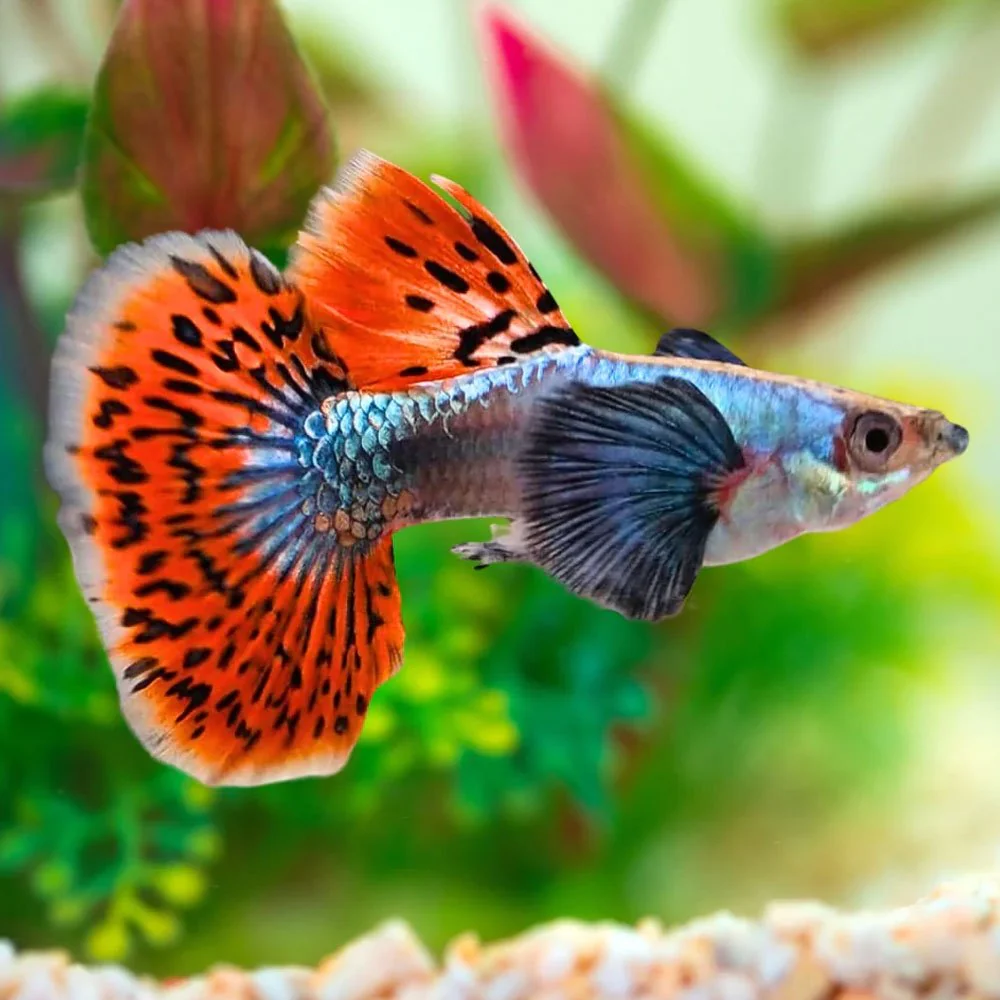
Guppy

Conditional
LMain risk: Adult space Review conditions

Chromobotia macracanthus + Poecilia Reticulata: size difference, activity level or space pressure may cause stress, competition or insufficient usable room.

B

Bronze cory

Conditional
LMain risk: Adult space Review conditions

Chromobotia macracanthus + Corydoras aeneus: size difference, activity level or space pressure may cause stress, competition or insufficient usable room.

K

Kuhli loach

Conditional
LMain risk: Adult space Review conditions

Chromobotia macracanthus + Pangio kuhlii: size difference, activity level or space pressure may cause stress, competition or insufficient usable room.

N

Neon tetra

Conditional
PMain risk: Predation Review conditions

Chromobotia macracanthus + Paracheirodon innesi: there is a predation risk due to size difference, mouth capacity or feeding behavior.
Relations

Avoid keeping with

C

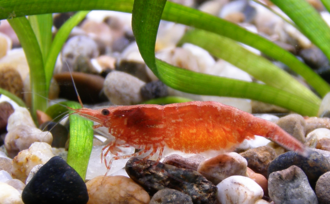
Cherry shrimp

Not recommended
PMain risk: Predation Not recommended

Chromobotia macracanthus + Neocaridina davidi: there is a predation risk due to size difference, mouth capacity or feeding behavior.
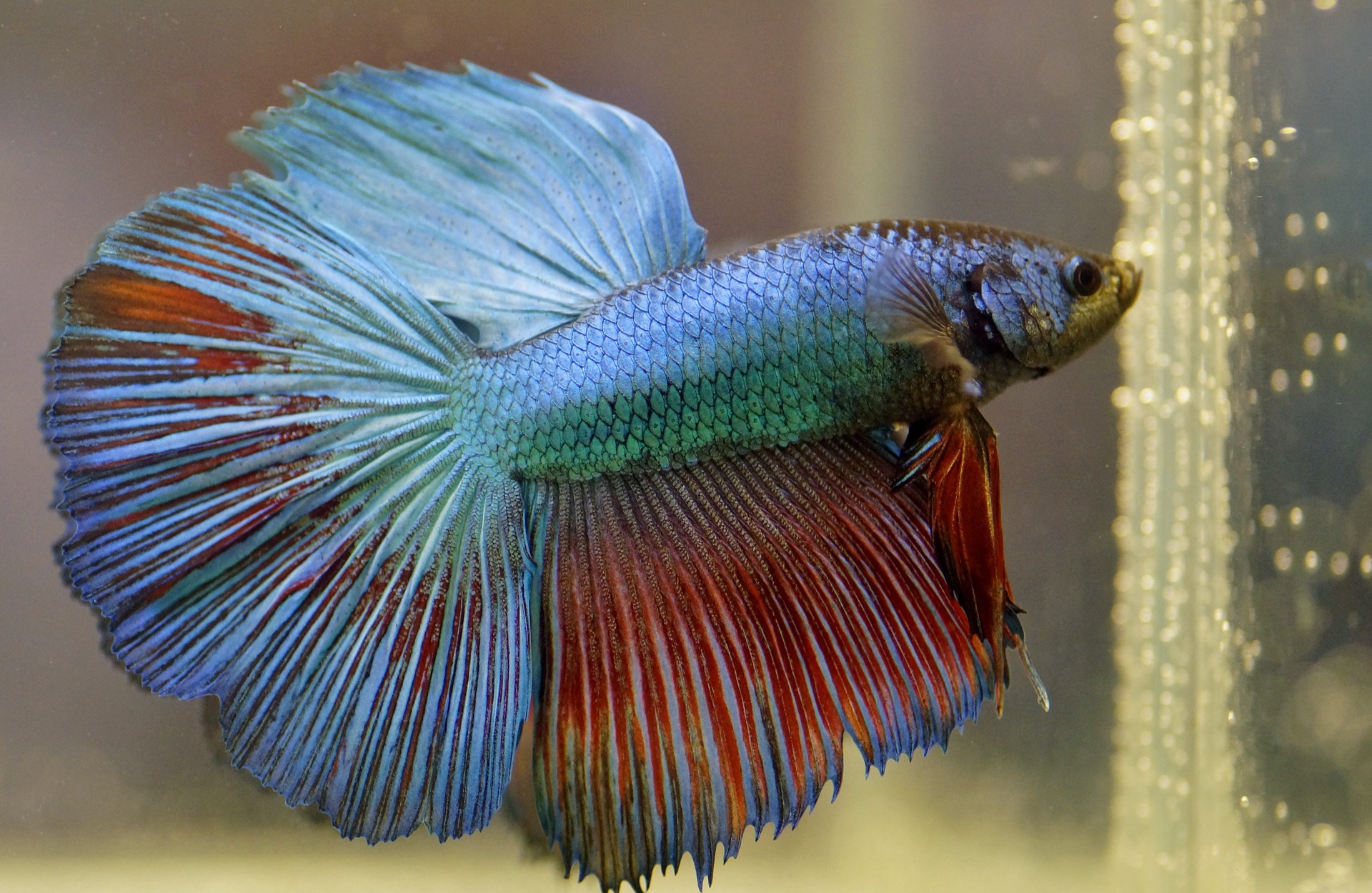
Siamese Fighting Fish

High risk
LMain risk: Adult space High risk

Chromobotia macracanthus + Betta splendens: size difference, activity level or space pressure may cause stress, competition or insufficient usable room.

N

Nerite snail

High risk
PMain risk: Predation High risk

Chromobotia macracanthus + Neritina natalensis: there is a predation risk due to size difference, mouth capacity or feeding behavior.

Care

Essential care

Keep it in a group and perform weekly water changes with stable parameters.
Daily time
18 min
Life cycle

Breeding

Breeding in aquariums is possible when good conditions are provided and a suitable setup is prepared.
Oviparous Moderate

Machos algo más esbeltos; hembras más robustas

Monitoring

Alerts and health

  • Acuario grande
  • Grupo
  • Refugios

Common issues

Ich Parásitos
Expert notes

Interesting details

01

Es una especie muy popular en acuariofilia

02

Se aprecia más cuando se mantiene correctamente

Editorial confidence

Last review: June 2026

Content based on parameters, ecological profiles and manual relationships.

Profile data Ecological profile Manual relationships General aquarium observation