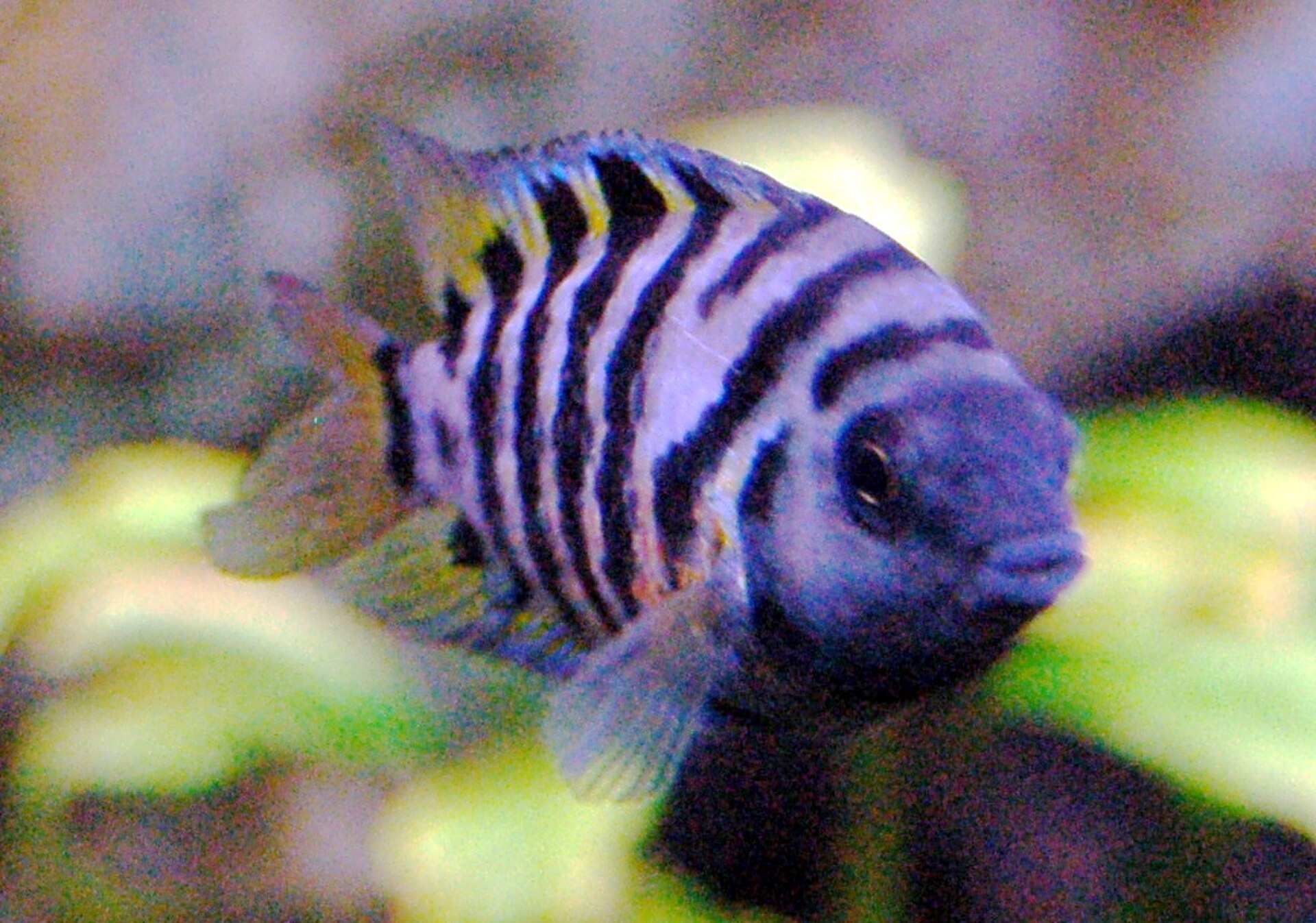
Best for
Aquariums where its role fits: coldwater pet fish.
Carassius auratus
The goldfish is not a fish for small bowls. It is a coldwater or temperate species with high bioload, significant growth and a need for strong filtration. Responsible care requires volume, oxygenation and stability.
The most common mistake is mixing it with tropical fish. It may survive intermediate temperatures, but that does not make the community biologically coherent long term.
Expert calculator
Analyze volume, parameters, behavior and relationships with other species.
A practical summary to quickly decide whether it fits your aquarium.
Best for
Aquariums where its role fits: coldwater pet fish.
Avoid
Mixes marked as high risk or not recommended in manual relationships.
Compatible with
Has positive or conditional references with species such as Bristlenose pleco.
Typical risk
Bioload and adult volume should be planned with margin.
Aquarium zone
Quick compatibility
Review these points before adding it to your aquarium. They are practical notes based on its profile, ecological data, and known relationships.
Make sure your aquarium is above 120 L before buying it.
Prepare visual cover and calm areas if it will live with other species.
Plan filtration, water changes, and total stocking: this species can heavily load the system.
Parameters
Growth and behavior
Ecological profile
Common mistakes
Keeping it in tanks below the recommended adult volume.
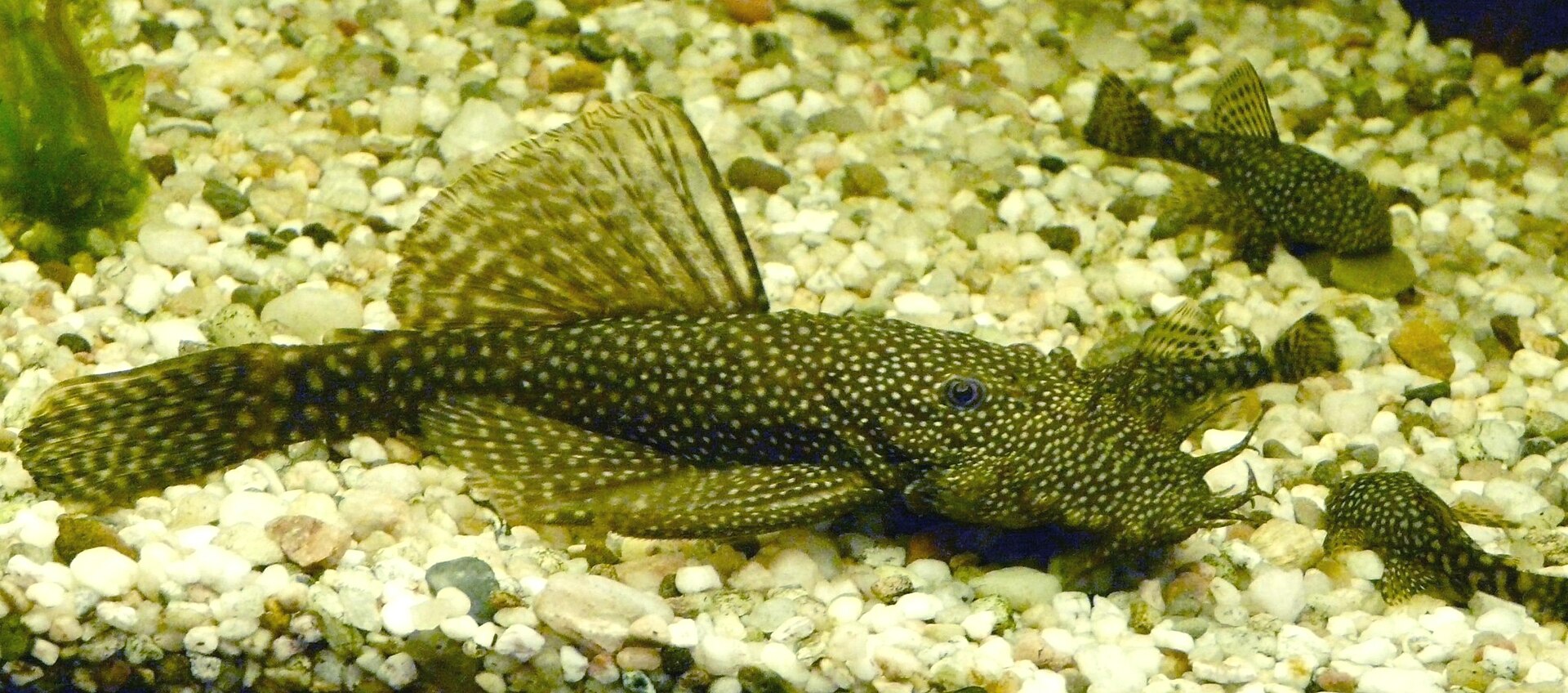
Carassius auratus + Ancistrus cirrhosus: size difference, activity level or space pressure may cause stress, competition or insufficient usable room.
Carassius auratus + Caridina japonica: shrimp, fry or small invertebrates may be at risk from curiosity, harassment or opportunistic predation.
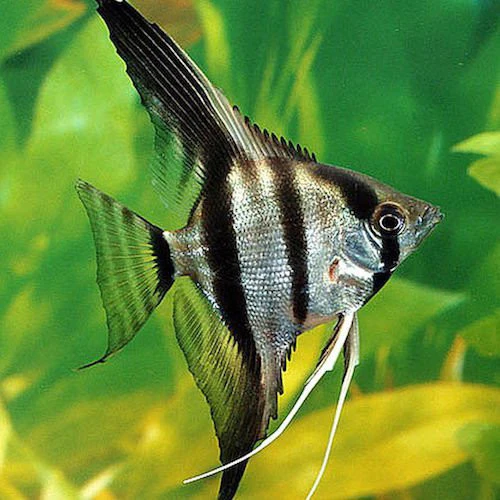
Carassius auratus + Pterophyllum scalare: this combines coldwater or temperate species with tropical species that need different temperatures.
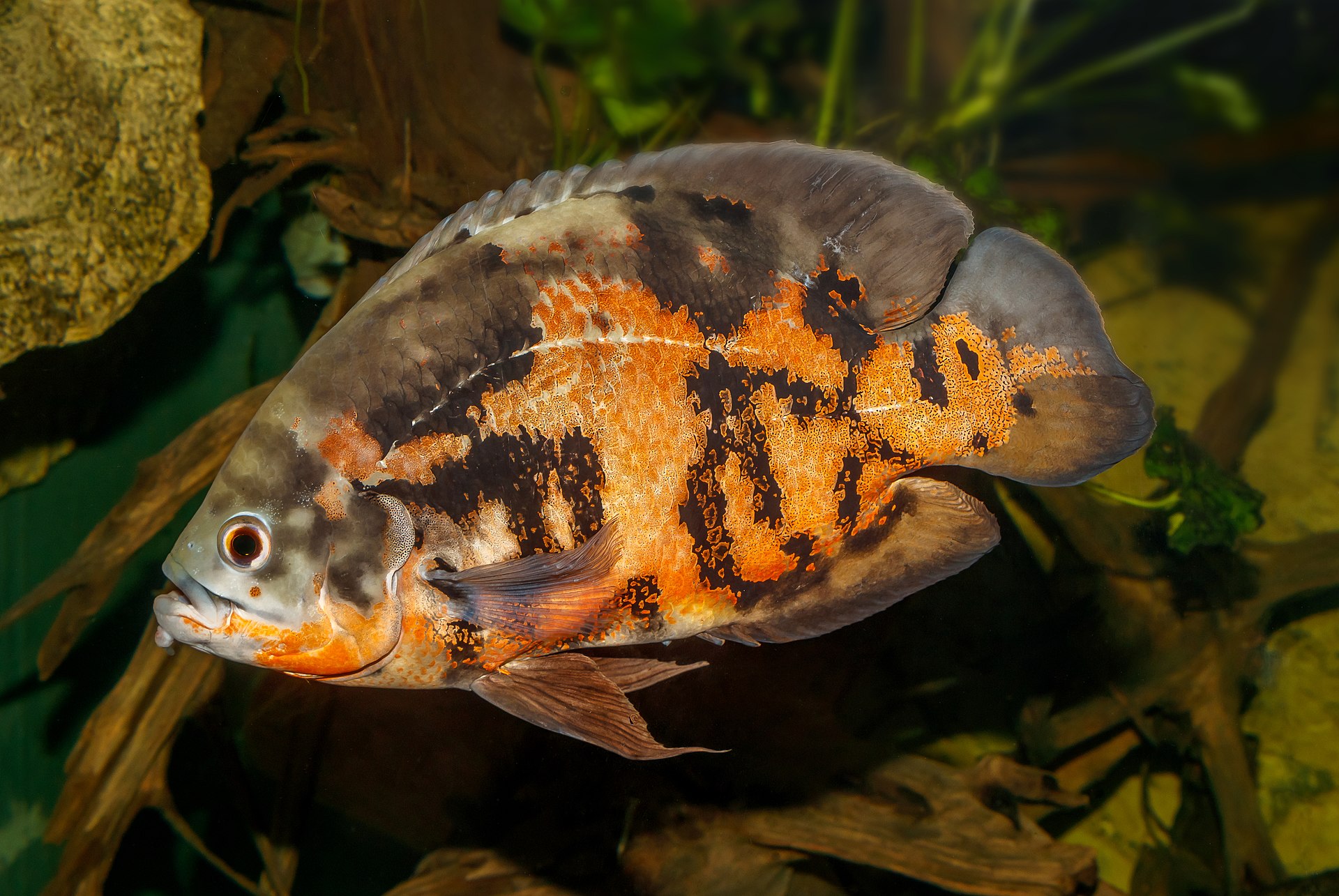
Astronotus ocellatus + Carassius auratus: this combines coldwater or temperate species with tropical species that need different temperatures.
Carassius auratus + Paracheirodon axelrodi: this combines coldwater or temperate species with tropical species that need different temperatures.
Carassius auratus + Symphysodon aequifasciatus: this combines coldwater or temperate species with tropical species that need different temperatures.
Carassius auratus + Paracheirodon innesi: this combines coldwater or temperate species with tropical species that need different temperatures.
Use large aquariums, oversized filtration and regular water changes. Avoid tropical heating, swallowable decoration and tiny tankmates. Fancy varieties are slower and should not compete with fast or aggressive species.
Breeding requires mature adults, large volume and egg management. It is rarely the goal in home community aquariums. If spawning occurs, eggs may be eaten and organic load rises quickly.
Difícil de distinguir salvo en época de cría
Puede vivir muchos años
Reconoce rutinas de alimentación
Editorial confidence
Content based on parameters, ecological profiles and manual relationships.
Related species to keep comparing habitat, size, and behavior.