Search fish, plants, corals...

C
Plant · Freshwater

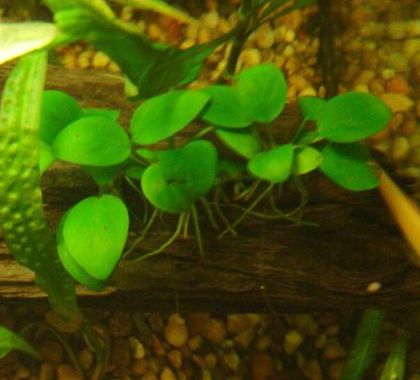
Crypt parva

Cryptocoryne parva

Crypt parva is a freshwater aquatic plant valued for its ornamental use in planted aquariums.
D
Difficulty
Beginner
A
Aggression
2/10
G
Schooling
Yes
T
Size
5.00 cm
L
Minimum volume
40 L
º
Temperature
22.0-28.0 ºC
Z
Zone
Whole tank
V
Lifespan
3 years

Quick profile scan

plant
Aggression 2/10
Activity High

Expert calculator

Check whether this species fits your aquarium

Analyze volume, parameters, behavior and relationships with other species.

Check compatibility
Expert read

Quick verdict

A practical summary to quickly decide whether it fits your aquarium.

Best for

Aquariums with stable parameters and enough space.

Typical risk

Stability depends on temperature, group size, and real compatibility.

Aquarium zone

Where it lives best

Surface primary
Midwater primary
Bottom primary

Quick compatibility

Community signals

Shrimp
Compatible
Snails
Compatible
Slow fish
Compatible
Aggressive fish
Conditional
Small fish
Compatible
Large fish
Compatible
Delicate plants
Compatible
Buying decision

Before buying Crypt parva

Review these points before adding it to your aquarium. They are practical notes based on its profile, ecological data, and known relationships.

L

Adult volume

Make sure your aquarium is above 40 L before buying it.

G

Minimum group

Do not keep it alone if it needs a group; plan space for the right number of individuals.

Parameters

Water conditions

pH
6.8 - 7.8
GH
5 - 20
KH
0 - 10
Temperature
22.0 - 28.0 ºC

Common mistakes

What to avoid

Keeping it in tanks below the recommended adult volume.

Keeping too few individuals for a social species.

Care

Essential care

Keep Crypt parva in a stable aquarium and adapt light, trimming and fertilization to its growth rate.
Daily time
15 min
Life cycle

Breeding

Propagation of Crypt parva depends on the species and may occur through division, cuttings, runners or adventitious plantlets.
Viviparous Easy

Machos coloridos con aleta caudal grande

Monitoring

Alerts and health

Expert notes

Interesting details

01

Pueden tener hasta 200 crías por parto

02

Los machos tienen colores más vivos

Editorial confidence

Last review: June 2026

Content based on parameters, ecological profiles and manual relationships.

Profile data Ecological profile Manual relationships General aquarium observation
Explore atlas

You may also like

Related species to keep comparing habitat, size, and behavior.