Search fish, plants, corals...

O
Invertebrate · Freshwater

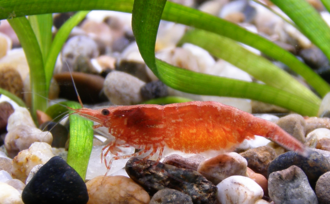
Orange dwarf crayfish

Cambarellus patzcuarensis

Orange dwarf crayfish is a popular freshwater invertebrate in fishkeeping and suitable for well maintained aquariums.
D
Difficulty
Beginner
A
Aggression
6/10
G
Schooling
Medium
T
Size
6.00 cm
L
Minimum volume
40 L
º
Temperature
20.0-28.0 ºC
Z
Zone
Bottom
V
Lifespan
3 years

Quick profile scan

invertebrate
Territoriality High
Aggression 6/10
Activity Slow
Thermal sensitivity High
Bioload Medium
Speed Slow
Predation risk Opportunistic

Expert calculator

Check whether this species fits your aquarium

Analyze volume, parameters, behavior and relationships with other species.

Check compatibility
Expert read

Quick verdict

A practical summary to quickly decide whether it fits your aquarium.

Best for

Aquariums where its role fits: invertebrate.

Typical risk

Stability depends on temperature, group size, and real compatibility.

Aquarium zone

Where it lives best

Surface
Midwater
Bottom primary

Quick compatibility

Community signals

Shrimp
Conditional
Snails
Compatible
Slow fish
Compatible
Aggressive fish
High risk
Small fish
Conditional
Large fish
Compatible
Delicate plants
Conditional
Buying decision

Before buying Orange dwarf crayfish

Review these points before adding it to your aquarium. They are practical notes based on its profile, ecological data, and known relationships.

L

Adult volume

Make sure your aquarium is above 40 L before buying it.

T

Territory and cover

Prepare visual cover and calm areas if it will live with other species.

C

Stable temperature

Avoid keeping it at the edges of its temperature range for long periods.

Parameters

Water conditions

pH
6.5 - 7.8
GH
5 - 15
KH
2 - 8
Temperature
20.0 - 28.0 ºC

Growth and behavior

Juvenile to adult

Juvenile
Juveniles are small and discreet, so they depend heavily on fine cover and a calm community. They are especially vulnerable to curious fish or opportunistic predators.
Shift
As it grows it becomes physically more resilient, but juveniles remain the most vulnerable stage to predators and parameter swings.
Adult
As an adult it keeps a low bioload and usually adds cleaning value or discreet bottom activity. Cohabitation improves with cover and when it is not mixed with species that may injure or prey on it.

Ecological profile

Role and biological pressure

Invertebrate Predator Small Medium Moderate Opportunistic
Profile: invertebrate, with medium bioload and primary use of the bottom. It can adapt to calm communities, although it usually behaves better with compatible companions. It may show opportunistic predation toward fry or very small animals. Provide hiding places, visual barriers and enough room to prevent constant pressure. Temperature stability matters; avoid long-term maintenance at the edges of its range.

Ecological radar

profile
Territoriality 78%
Aggression 60%
Activity 24%
Thermal sensitivity 78%
Bioload 52%

Common mistakes

What to avoid

Keeping it in tanks below the recommended adult volume.

Keeping temperature at the edges of the range for long periods.

Designing the aquarium without shelter or visual barriers.

Care

Essential care

Weekly 25% water changes. Keep shelters and stable water parameters.
Daily time
15 min
Life cycle

Breeding

Breeding depends on the species but improves in mature aquariums with stable parameters.
Oviparous Easy

No presenta diferencias sexuales evidentes

Monitoring

Alerts and health

  • Oxigenación fuerte
  • Acuario amplio
  • Escondites

Common issues

Problemas de piel Hongos Parásitos
Expert notes

Interesting details

01

Es muy llamativo en acuario

02

Necesita refugios y espacio propio

Editorial confidence

Last review: June 2026

Content based on parameters, ecological profiles and manual relationships.

Profile data Ecological profile Manual relationships General aquarium observation