Best for
Aquariums where its role fits: invertebrate.
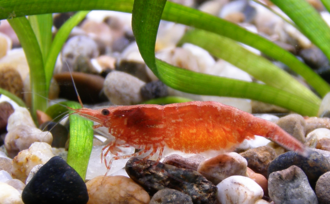
Neocaridina davidi
Neocaridina davidi, the cherry shrimp, is hardy for a shrimp but depends on stability. Sudden changes, copper, predators and immature tanks are its main risks.
In planted shrimp tanks it shows constant grazing and breeding behavior. In communities, fry survival depends on dense cover and very peaceful tankmates.
Expert calculator
Analyze volume, parameters, behavior and relationships with other species.
A practical summary to quickly decide whether it fits your aquarium.
Best for
Aquariums where its role fits: invertebrate.
Avoid
Mixes marked as high risk or not recommended in manual relationships.
Compatible with
Has positive or conditional references with species such as Bristlenose pleco.
Typical risk
Stability depends on temperature, group size, and real compatibility.
Aquarium zone
Quick compatibility
Review these points before adding it to your aquarium. They are practical notes based on its profile, ecological data, and known relationships.
Make sure your aquarium is above 20 L before buying it.
Do not keep it alone if it needs a group; plan space for the right number of individuals.
Avoid fin nippers or very nervous fish that may harass it.
Parameters
Growth and behavior
Ecological profile
Common mistakes
Keeping it in tanks below the recommended adult volume.
Keeping too few individuals for a social species.
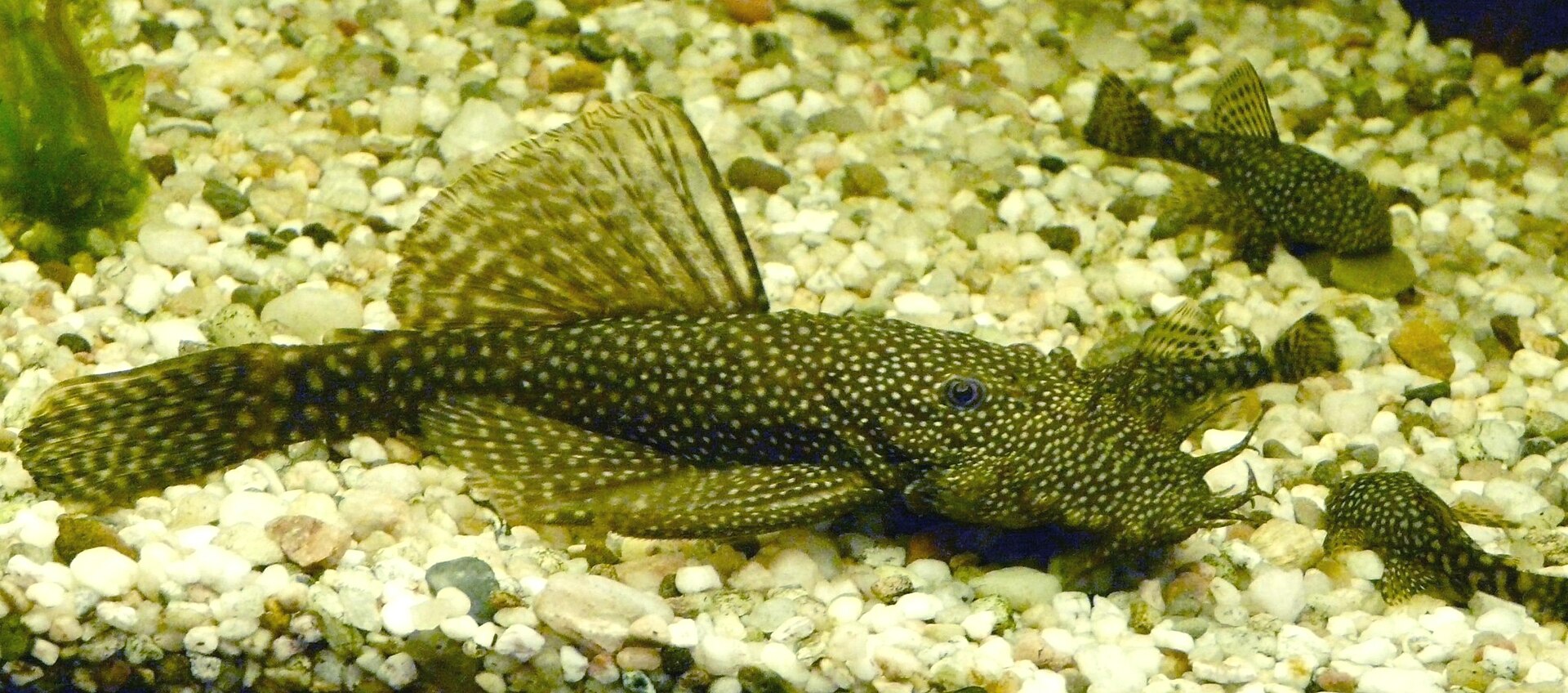
Ancistrus cirrhosus + Neocaridina davidi: cohabitation is usually viable if volume, parameters, groups and adult behavior are respected.
Otocinclus affinis + Neocaridina davidi: cohabitation is usually viable if volume, parameters, groups and adult behavior are respected.
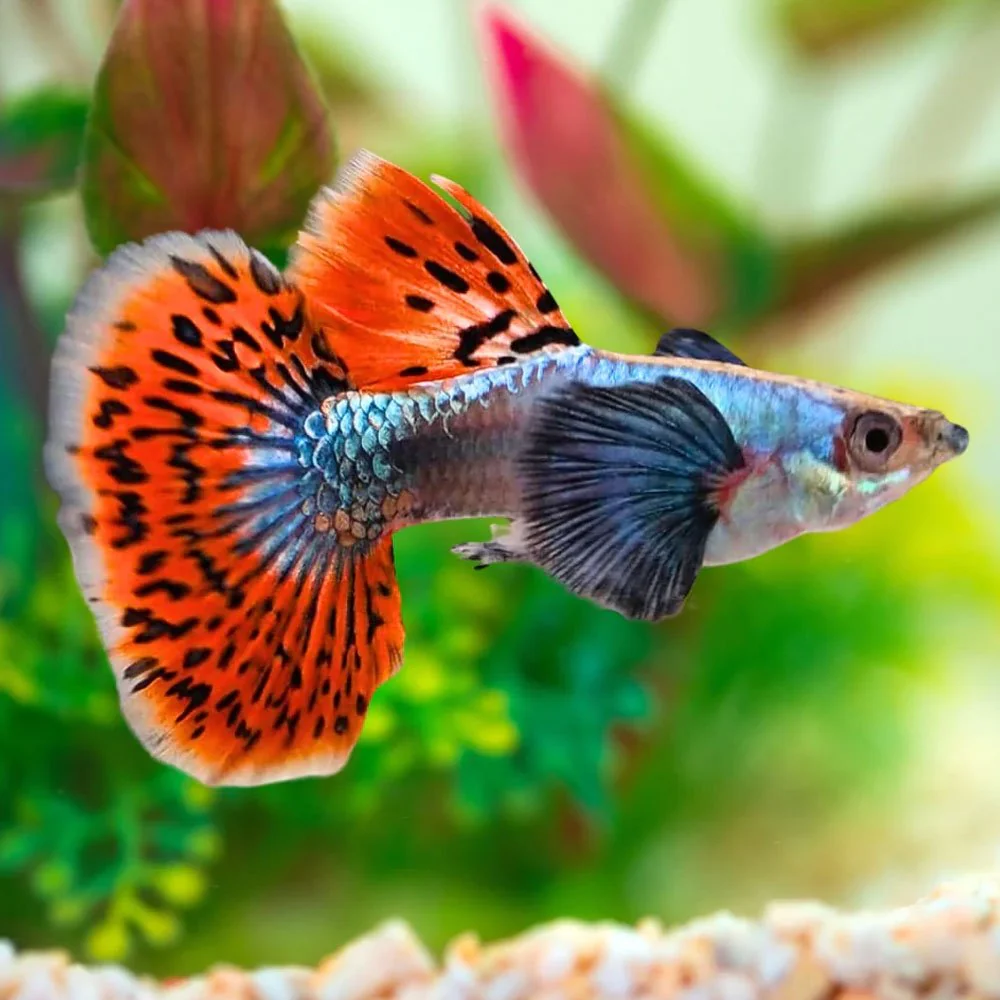
Poecilia Reticulata + Neocaridina davidi: shrimp, fry or small invertebrates may be at risk from curiosity, harassment or opportunistic predation.
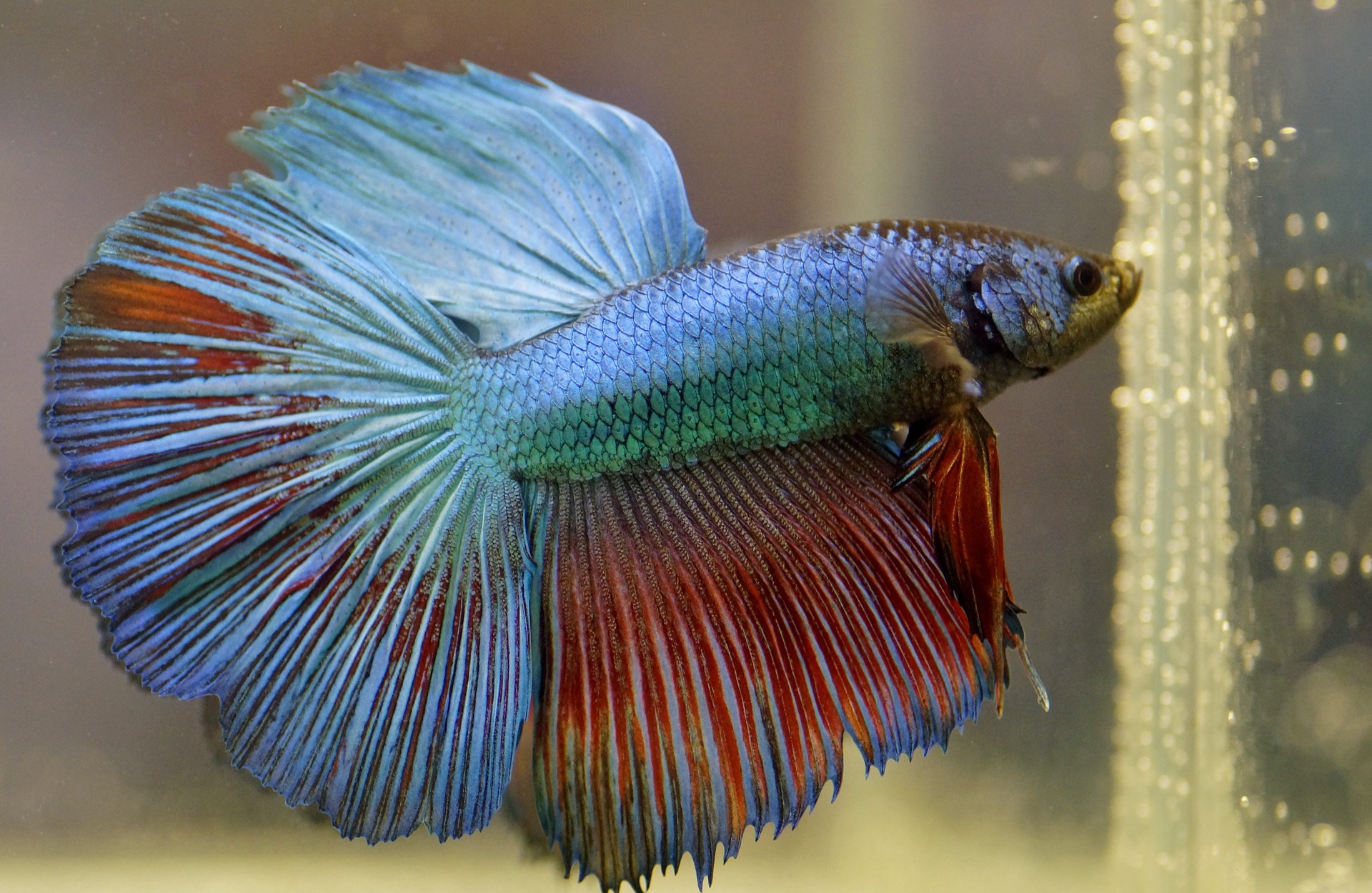
Betta splendens + Neocaridina davidi: shrimp, fry or small invertebrates may be at risk from curiosity, harassment or opportunistic predation.
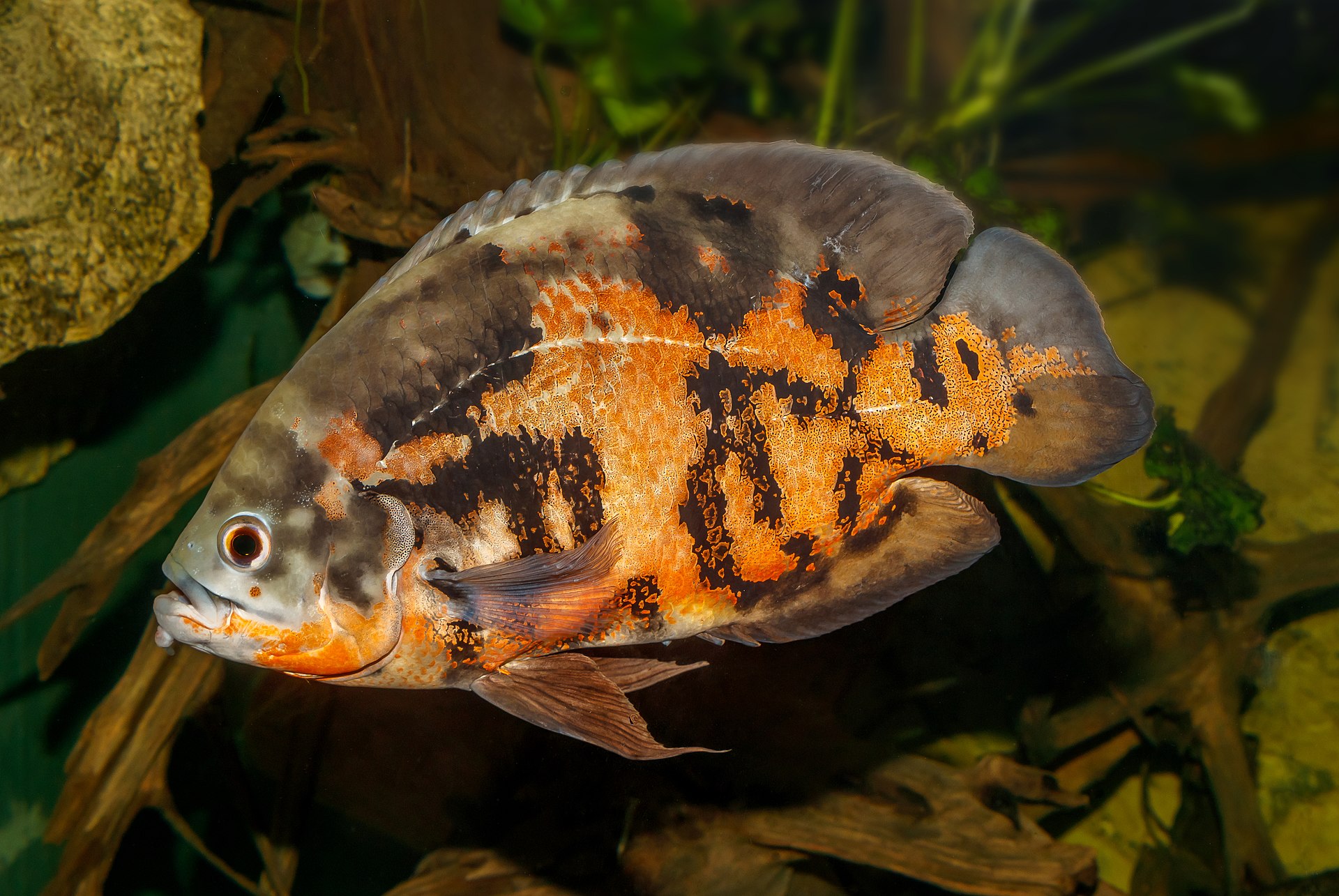
Astronotus ocellatus + Neocaridina davidi: there is a predation risk due to size difference, mouth capacity or feeding behavior.
Altolamprologus calvus + Neocaridina davidi: there is a predation risk due to size difference, mouth capacity or feeding behavior.
Chromobotia macracanthus + Neocaridina davidi: there is a predation risk due to size difference, mouth capacity or feeding behavior.
Carinotetraodon travancoricus + Neocaridina davidi: shrimp, fry or small invertebrates may be at risk from curiosity, harassment or opportunistic predation.
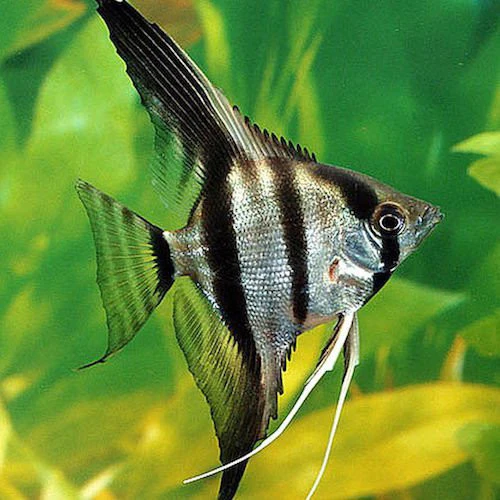
Pterophyllum scalare + Neocaridina davidi: shrimp, fry or small invertebrates may be at risk from curiosity, harassment or opportunistic predation.
Use mature aquariums, plants, mosses and biofilm-rich surfaces. Avoid copper medications, aggressive siphoning and predatory fish. Parameters should change slowly.
It breeds easily in stable freshwater. Females carry eggs and release miniature shrimplets. Color selection requires separating lines to avoid loss of intensity.
No presenta diferencias sexuales evidentes
Muy popular en nanoacuarios y acuarios plantados
Aporta movimiento y ayuda a consumir restos
Editorial confidence
Content based on parameters, ecological profiles and manual relationships.